DH Painter & Decorator handles render and masonry painting in Rothersthorpe, NN7, about 3.4 miles south-west of Northampton. In this village much of the job is telling you which walls should not be painted. Dean recoats walls that are already painted or rendered, and paints render on the modern houses outside the conservation area core.
Why most walls in the village should stay bare
Rothersthorpe sits on Lias clays capped in places by ironstone-bearing Marlstone Rock and Northampton Sand. That geology is the reason the older houses are built from coursed squared ironstone, and the later ones from local clay brick. On The Manor and 26a Church Street the ironstone is banded with limestone. All of it was meant to be seen, and the conservation area appraisal treats bare stone and facing brick as part of the village’s character.
There is a practical reason too. Ironstone and soft old brick take in moisture and release it again. An acrylic masonry paint forms a skin over the face, the moisture gets trapped behind it, and the result can be blistered paint, a damp interior wall or a stone face that starts to break down. So if you ask us to paint bare stone on Church Street or North Street, expect Dean to talk you out of it first.
Which walls we would and would not paint
| Wall | Where you see it | Our advice |
|---|---|---|
| Bare coursed ironstone | 17th- and 18th-century farmhouses and cottages in the core | Leave unpainted |
| Ironstone already painted | Several buildings; the appraisal does not say which | Recoat with a breathable mineral or lime-compatible system |
| Red brick in English or Flemish bond | 19th-century cottages on the eastern part of Church Street | Leave as facing brick |
| Stone and brick boundary walls | Throughout the conservation area | Never paint; repoint in lime mortar |
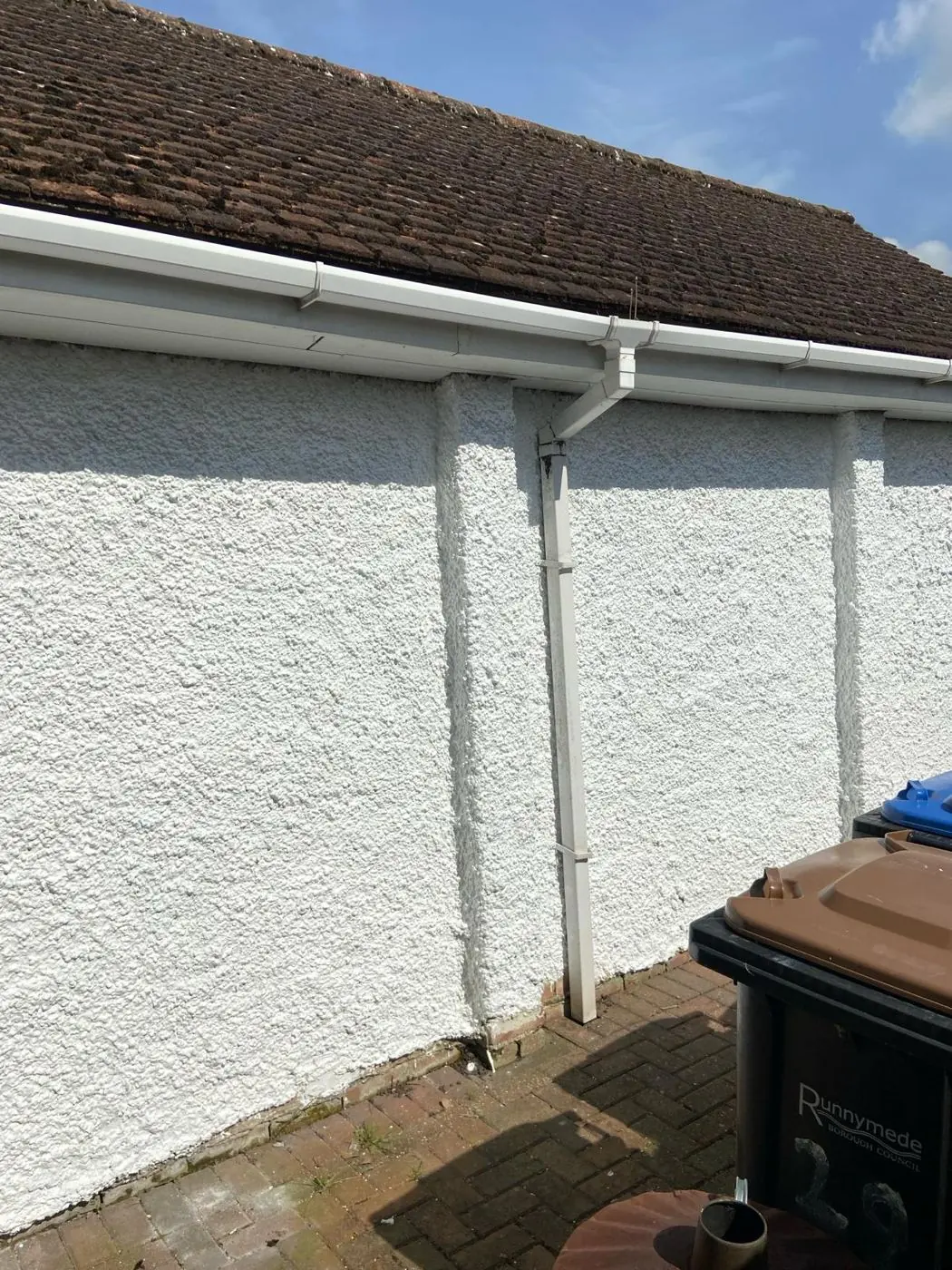
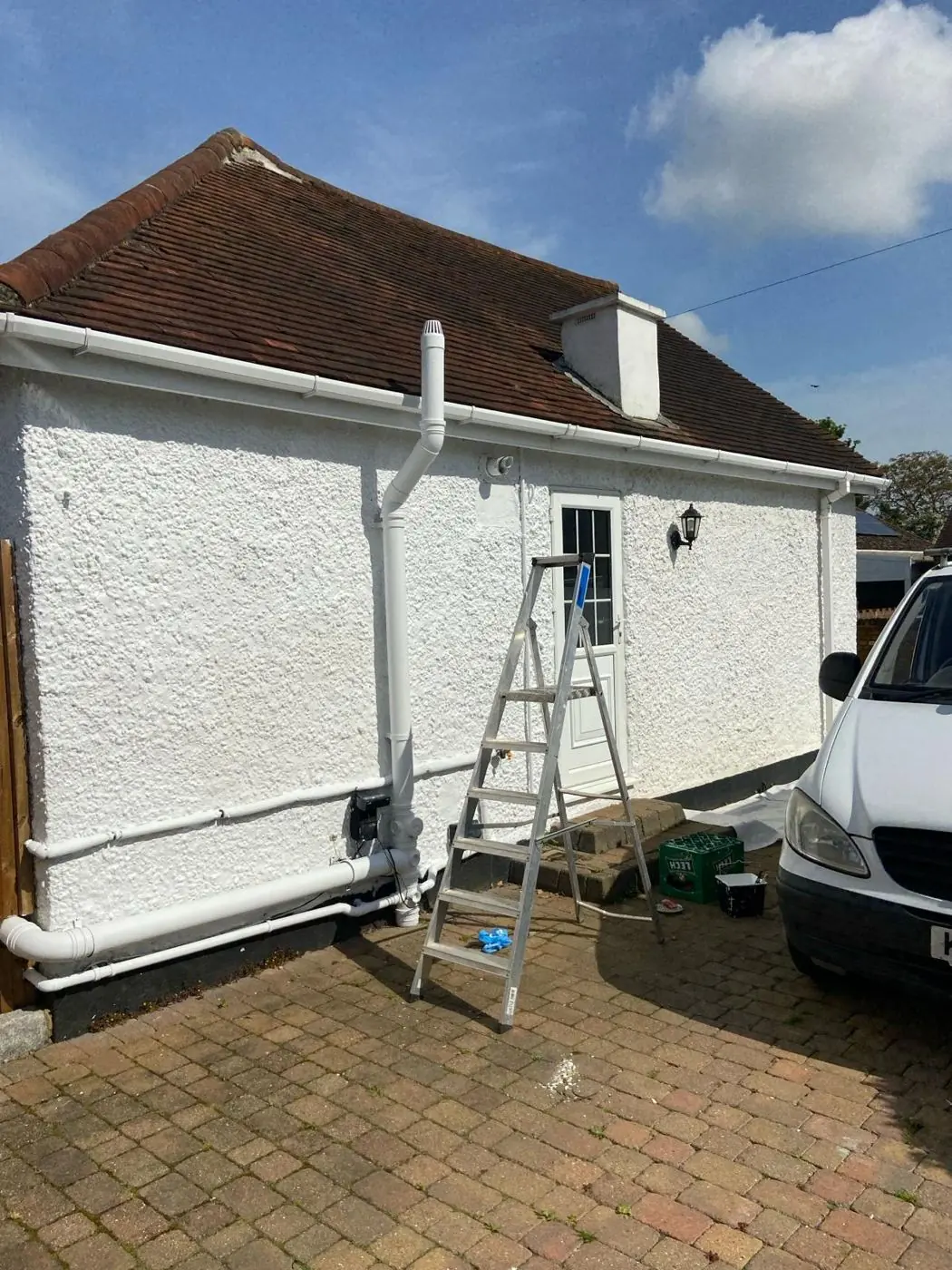
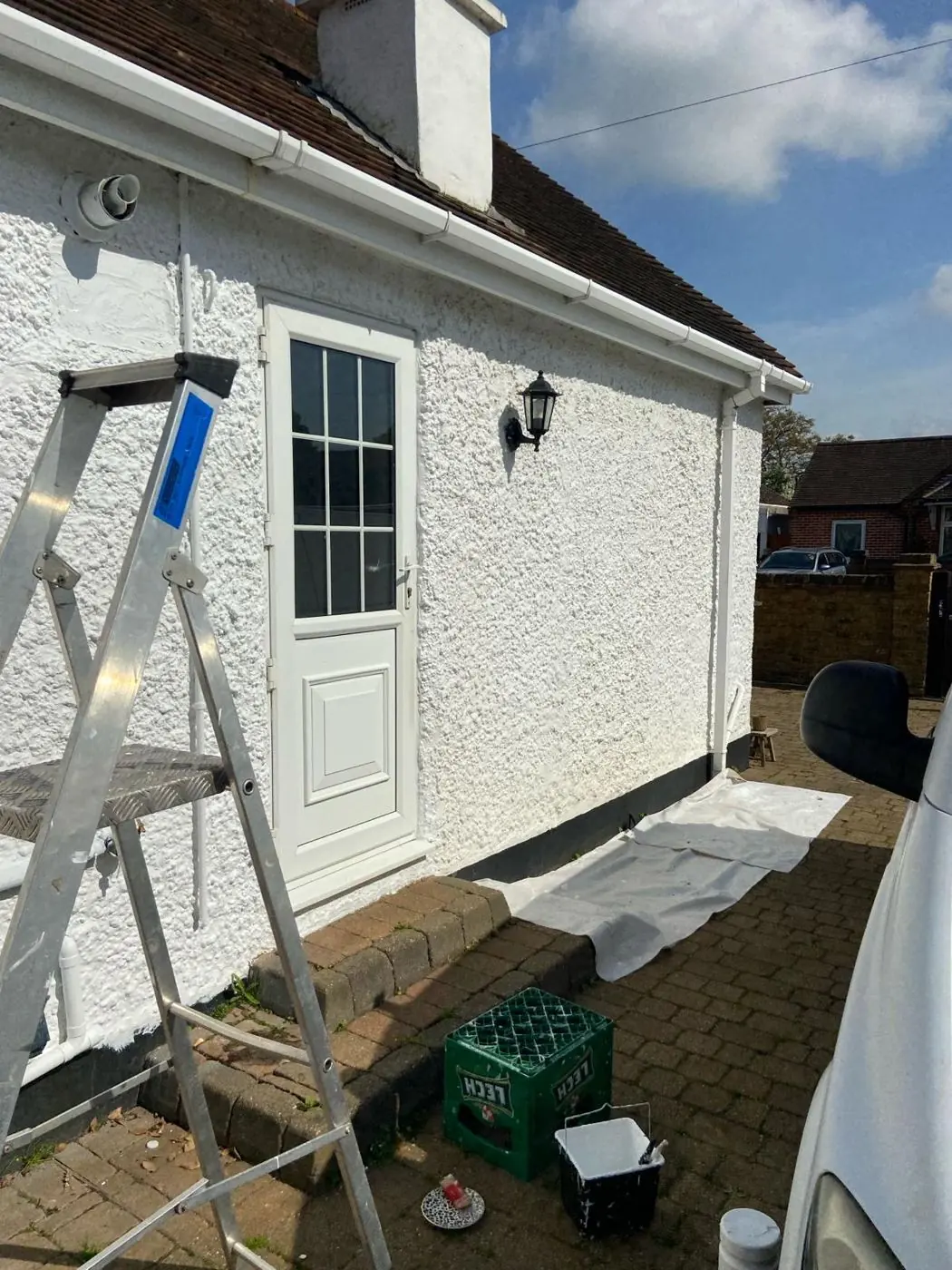
| Render on modern houses | Infill and small estates off North Street, Banbury Lane and Kislingbury Road | Standard masonry paint after repairs |
Boundary walls deserve a special mention. The 2013 management plan asks for stone and brick walls, with their stone or red and blue brick copings, to be built and pointed in lime mortar. Masonry paint on one of those walls would be both out of character and bad for the wall.
Recoating a building that was painted long ago
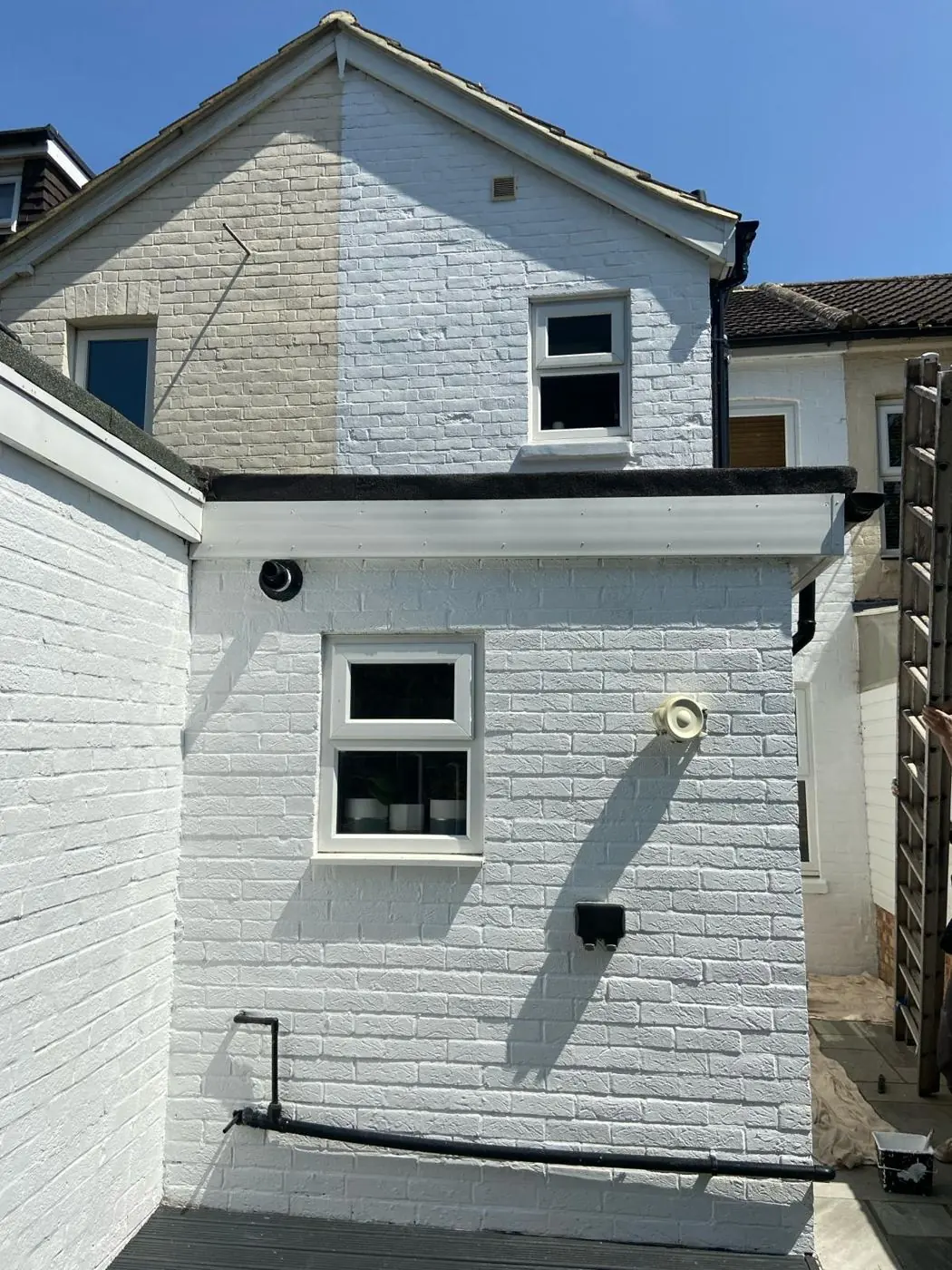
The appraisal notes that several buildings in the village have been painted or rendered, while describing that as not particularly characteristic. If yours is one of them, keeping it in good order is reasonable maintenance. The first job is finding out what is already on the wall. Lime-based paint, limewash and modern acrylic all behave differently, and putting acrylic over a breathable coating undoes the point of the original.
We test small areas, scrape back anything loose, and look for damp patches that suggest the existing coat is holding water. Where the wall already carries a breathable finish, it gets a compatible mineral or lime-based paint. Where an older acrylic layer is failing badly over stone, we explain the options, including partial removal, before quoting. On any of the ten listed buildings, changing the finish or colour may need listed building consent, so check that before we book a date.
Modern render on the edges of the village
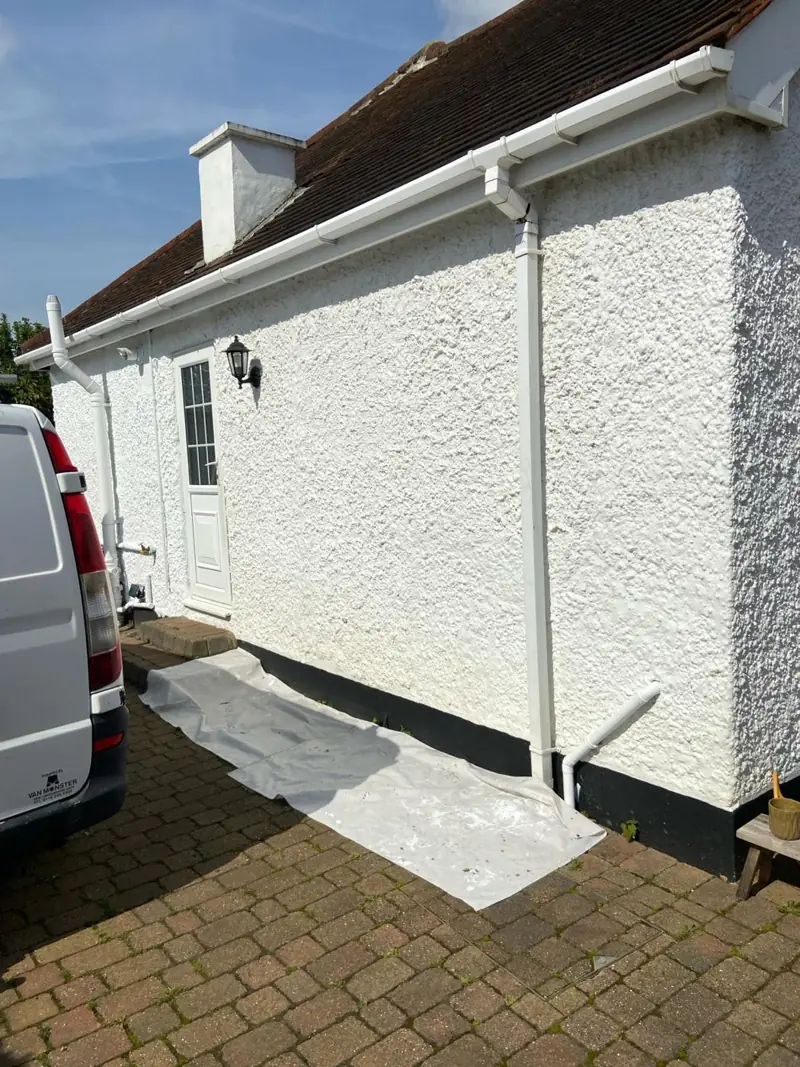
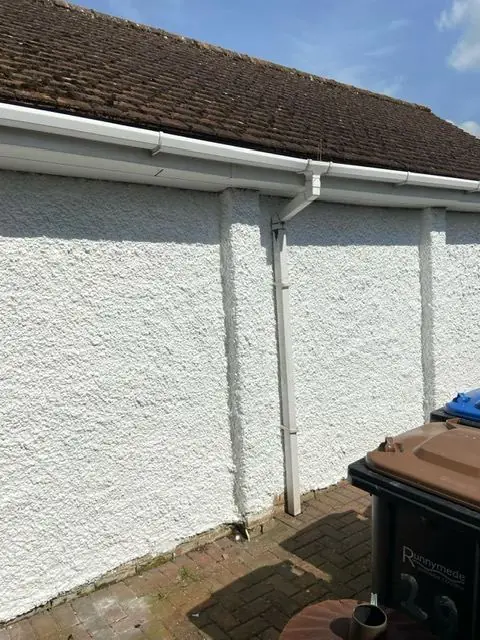
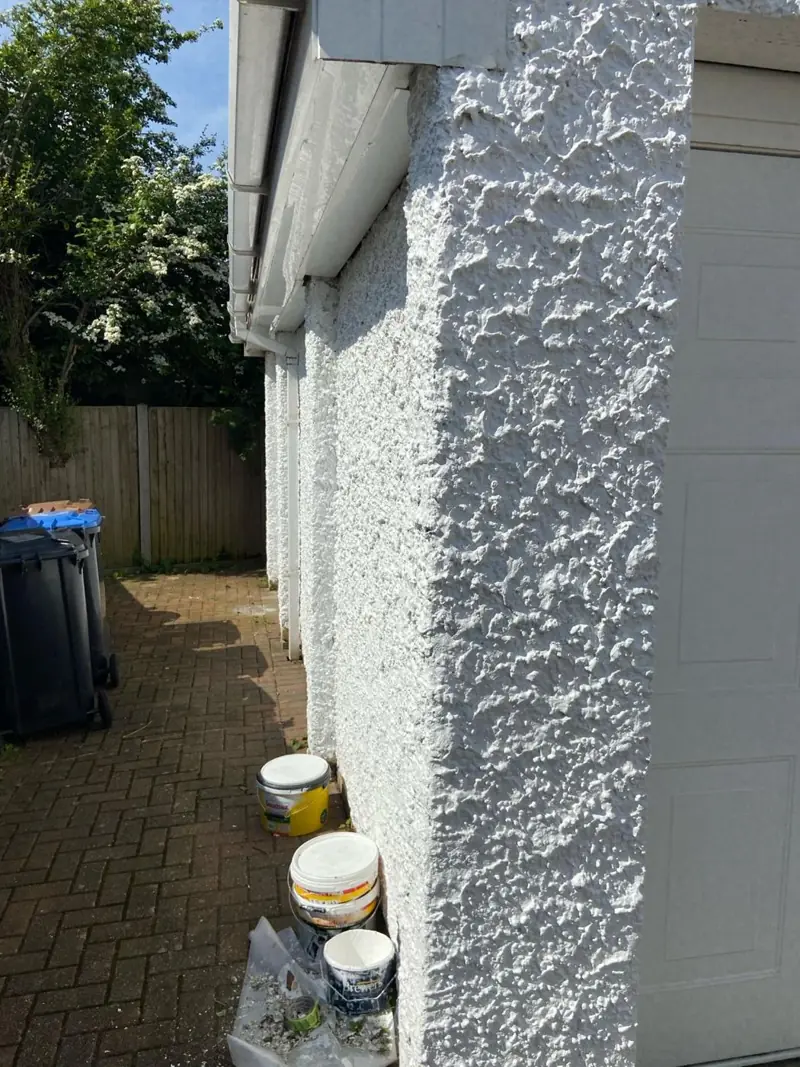
The houses on Banbury Lane, such as Nos 43 to 55 beside the conservation area boundary, and along Kislingbury Road and the estate roads off North Street, sit outside that historic picture. Where they are rendered, it is ordinary masonry painting: fungicidal wash, crack repair, stabiliser on chalky patches and two coats. The village stands on raised ground that falls away on every side, and render facing the open eastern countryside weathers faster than walls sheltered by neighbours, so those elevations are checked more closely.
Our guide to painting render and roughcast explains the preparation in full, and the main render and masonry painting service page sets out the whole process. The Rothersthorpe page lists the other work we cover in the village.
Last updated by Dean, DH Painter & Decorator.