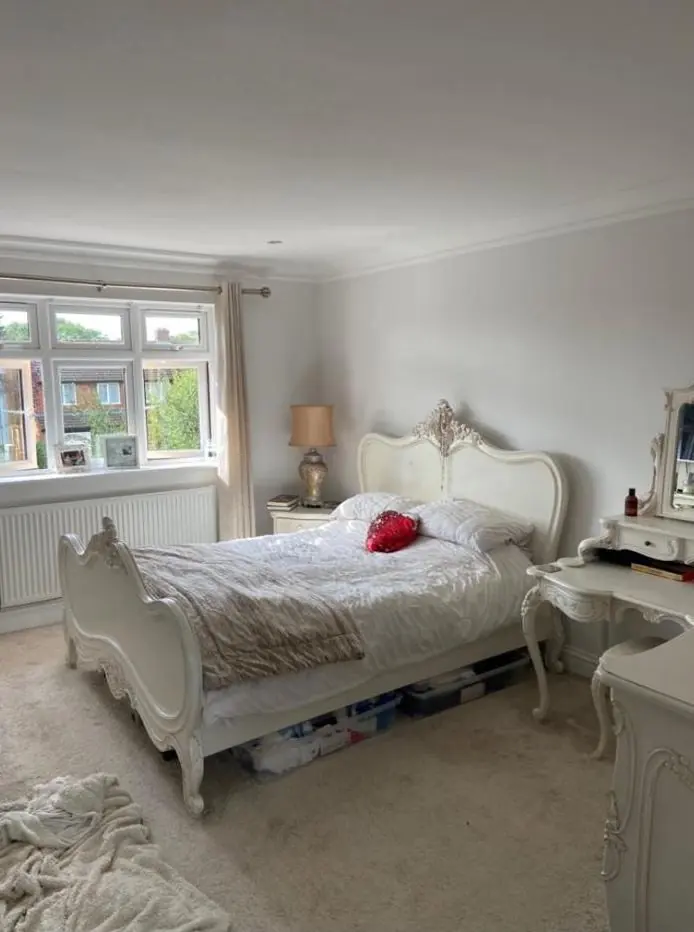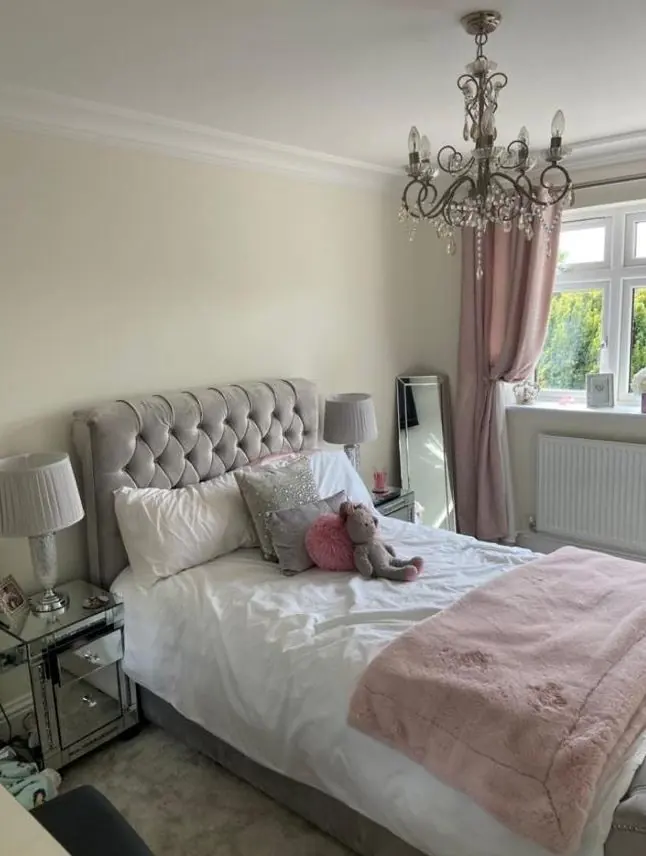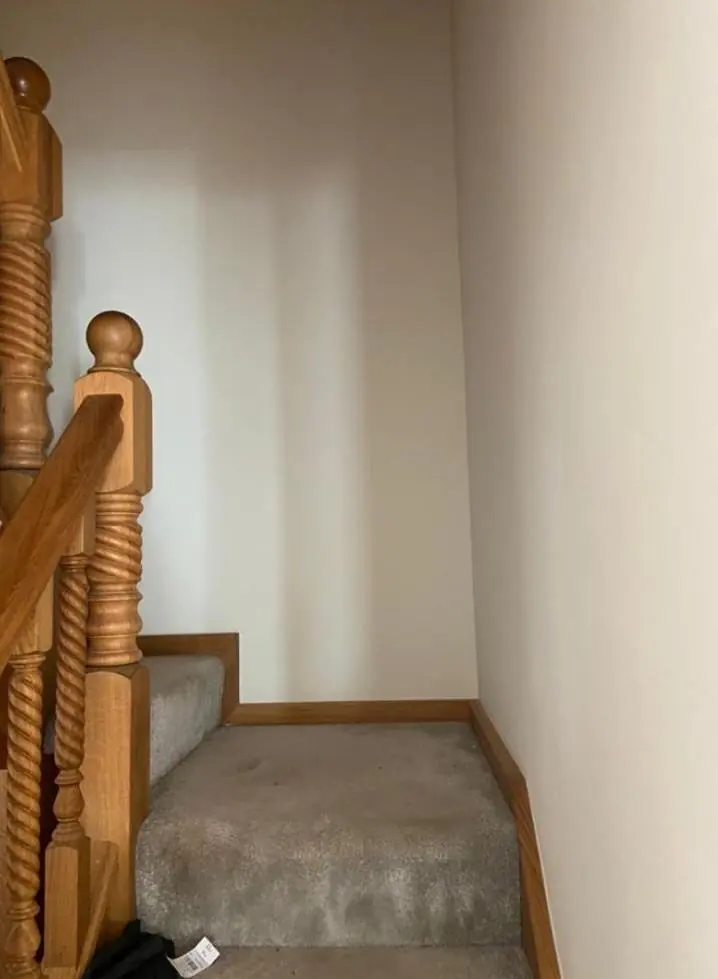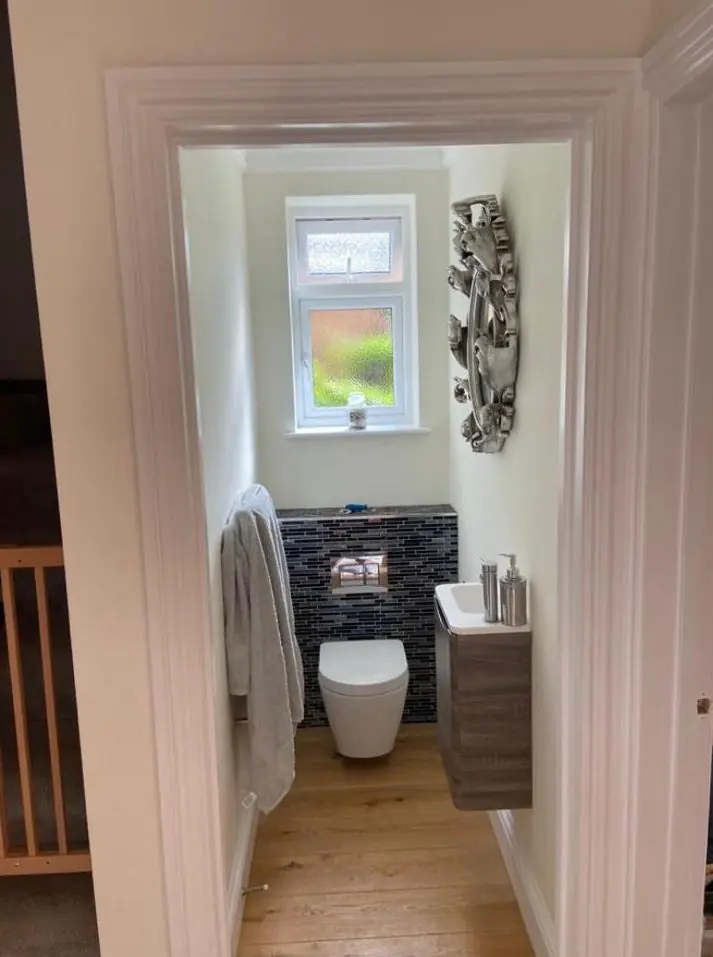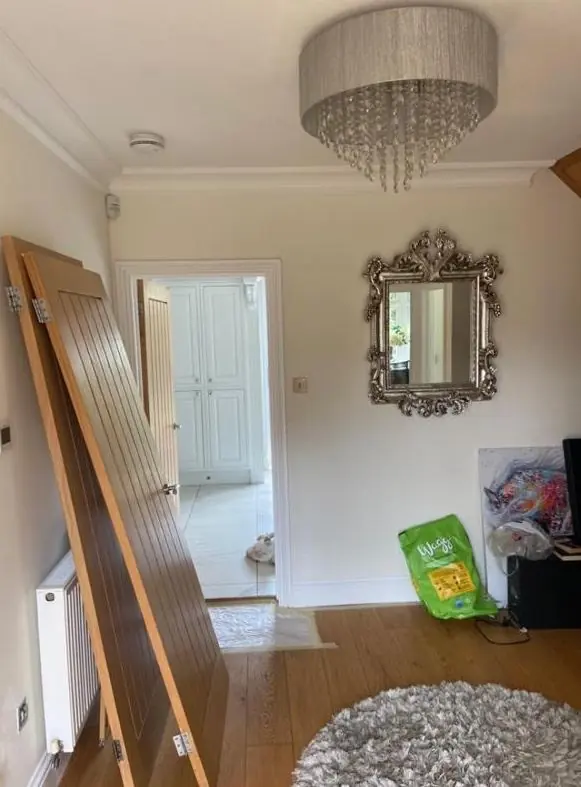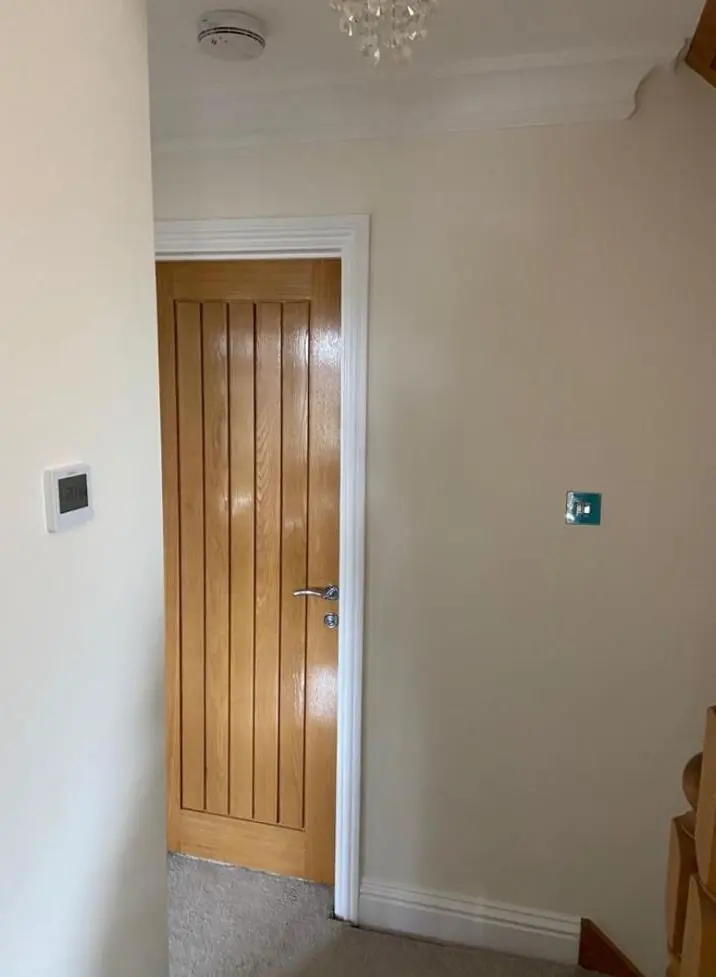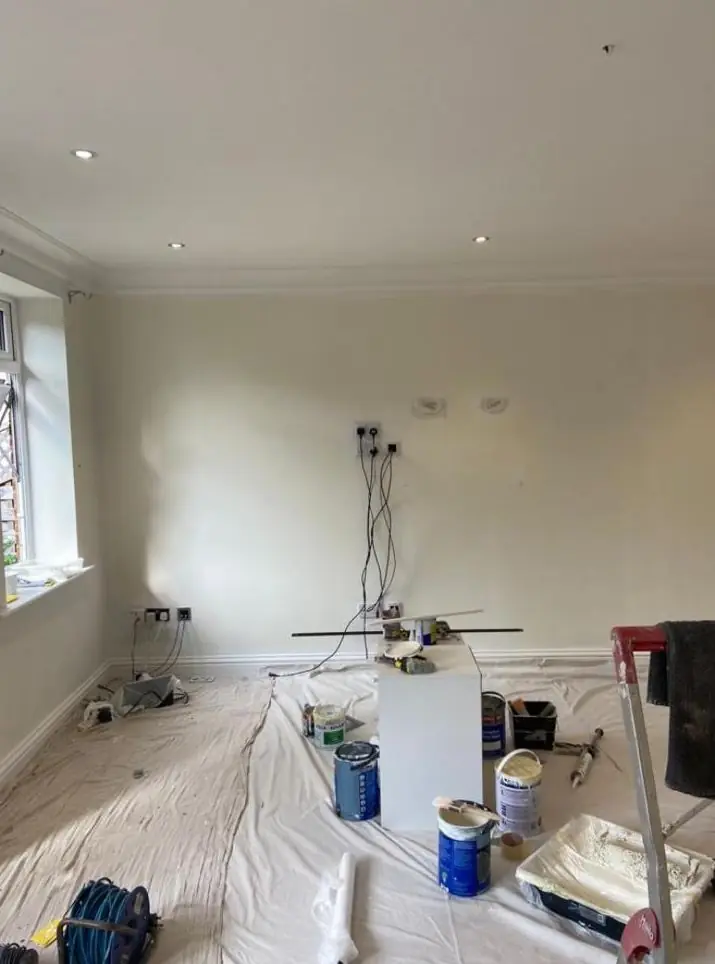
When we decorate in Parklands, about 2.5 miles north-east of Northampton town centre, Dean helps you pick colours and finishes as part of the job. With no conservation area on the estate, owners have a free hand, so the advice centres on light, room size and how hard each surface is used.
A free hand, inside and out
Parklands sits outside any conservation area, and no Article 4 direction is recorded for it. That means nobody outside your household gets a say on the colour of your front door, fascias or window frames, and the same is true of every room inside. Freedom is useful, but it also removes the guide rails that a conservation area gives, so it pays to test before committing to a whole elevation or a full open-plan ground floor.
Our colour advice is a decorator’s view, not an interior design service. Dean looks at each room at the time of day you use it, puts sample patches on the wall, and tells you how each one will read once it covers four walls rather than a card.
Lighting the rooms in the roof
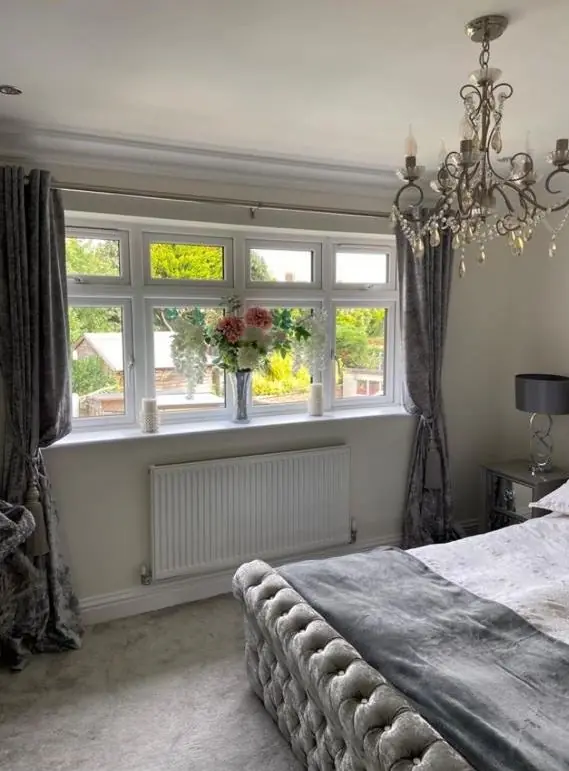
Roof rooms are common in the Parklands Avenue and Parklands Crescent semis, lit by dormers set into the slope. A dormer facing north lets in only cool, indirect light, and a pale grey or brilliant white in there goes flat and slightly blue. In those rooms we lean towards whites and neutrals with a warm undertone: a touch of yellow, red or brown in the base stops the room feeling cold.
The sloping ceilings matter too. Running a single ceiling white from the flat section down over the slopes makes the room feel taller and removes the hard line where two colours would meet at an awkward angle. A darker colour on the vertical knee walls can then ground the room without closing it in.
Small rooms: the bungalows and parade maisonettes
The semi-detached bungalows on Coppice Drive are about 53 square metres, and the maisonettes above the parade about 63. In homes that size, rooms flow into one another and the colour in one doorway is visible from the next. We usually suggest:
- one family of related colours through the connected spaces, varying the depth rather than the hue
- lighter, warmer tones in rooms with a single window
- a deeper accent kept to one wall or to the woodwork, where it adds character without shrinking the room
Which sheen goes where
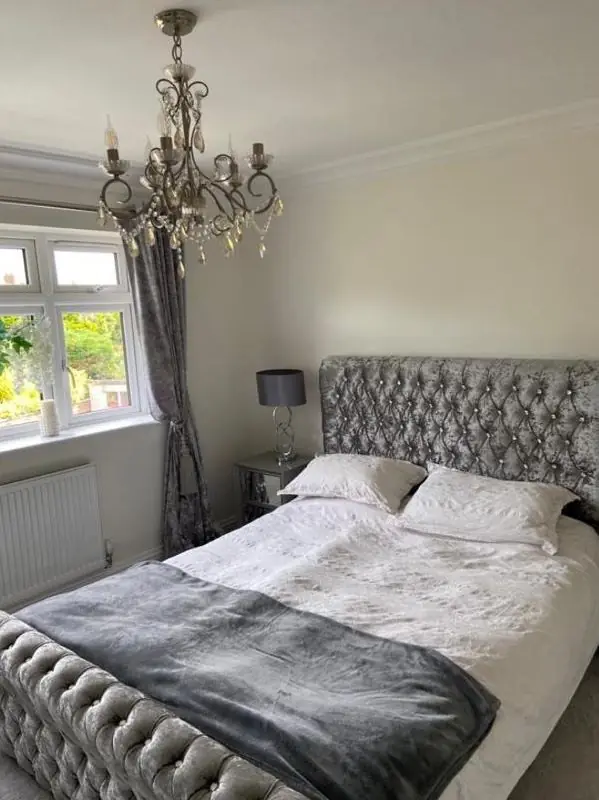
Colour gets the attention, but finish decides how long the paint looks good. In a Parklands home the choices tend to fall out like this:
| Surface | Finish we usually suggest | Why it suits this estate |
|---|---|---|
| Roof-room ceilings and slopes | Mould-resistant matt | Several roof rooms are recorded as poorly insulated, so condensation is a risk |
| Hall, stairs and landings | Durable matt or eggshell | Stairs that rise through two flights take scuffs from bags and banisters |
| Skirtings and doors | Satin | Suspended floors mean skirting joints flex; satin hides small marks better than gloss |
| Front doors and sills on Kettering Road | Hard-wearing, washable gloss or satin | Traffic grime from the A5123 needs to wipe off easily |
Outside colours with the street in mind
Most homes here are freehold semis and detached houses, so a fascia and front-door colour is visible next to your neighbour’s. You are free to choose, but on a semi it is worth a word with the attached house before picking something far from theirs. On the houses facing Kettering Road, very pale colours on doors and sills show road dirt quickly, and a mid-tone shade hides it longer.
Advice comes with every job, whether it is interior painting or exterior work. More on how Dean approaches light and undertone is on the main colour and finish advice page, and the rest of our Parklands coverage is on the Parklands area page.
Last updated by Dean, DH Painter & Decorator.