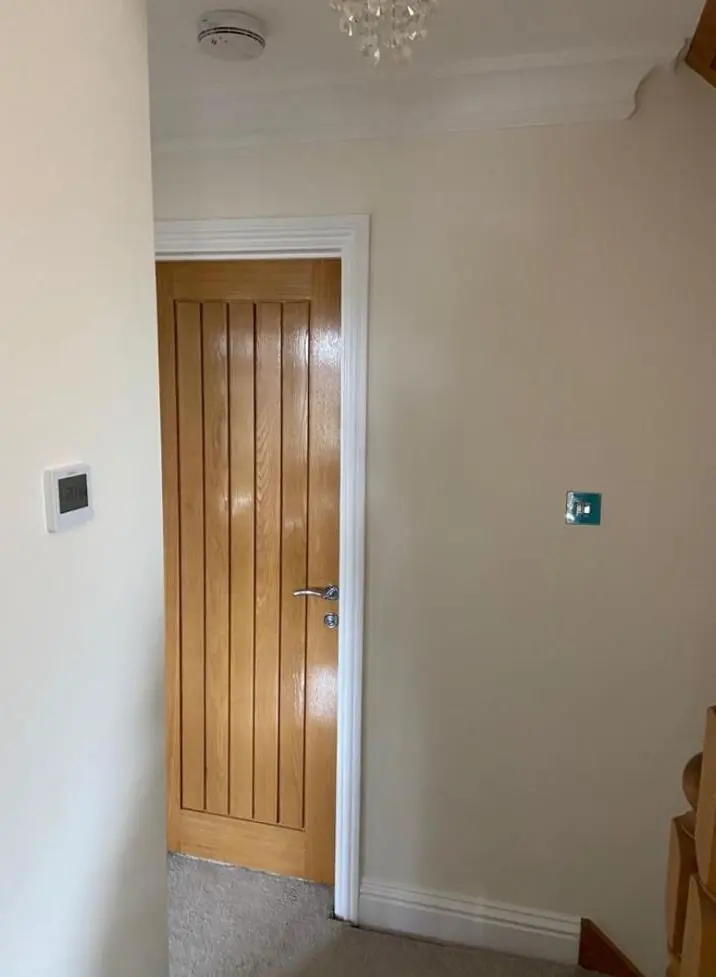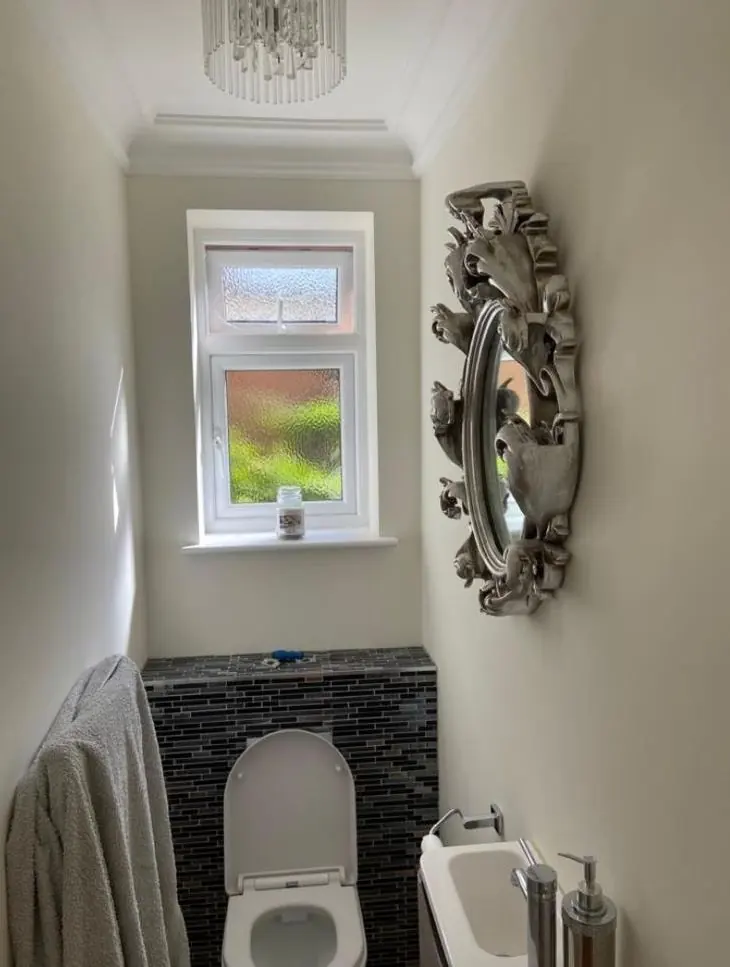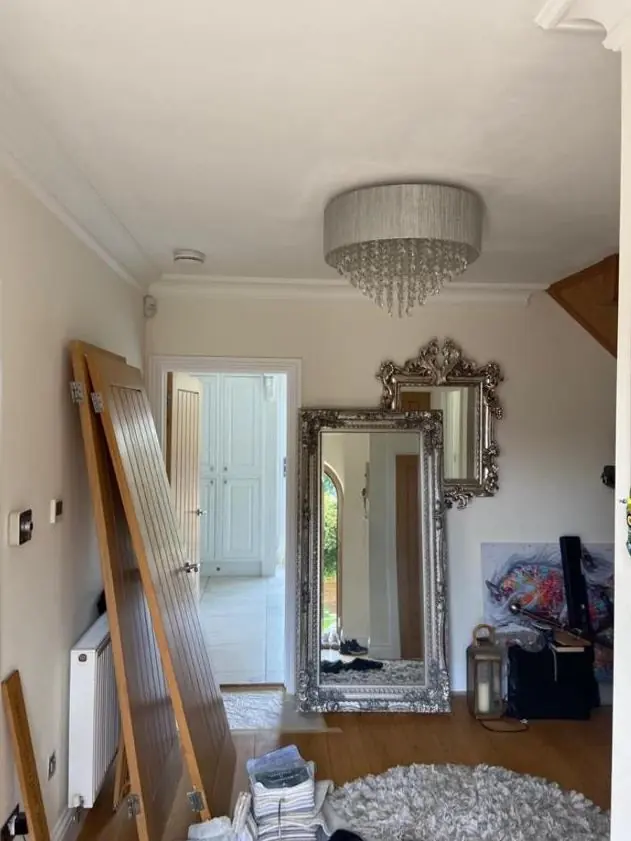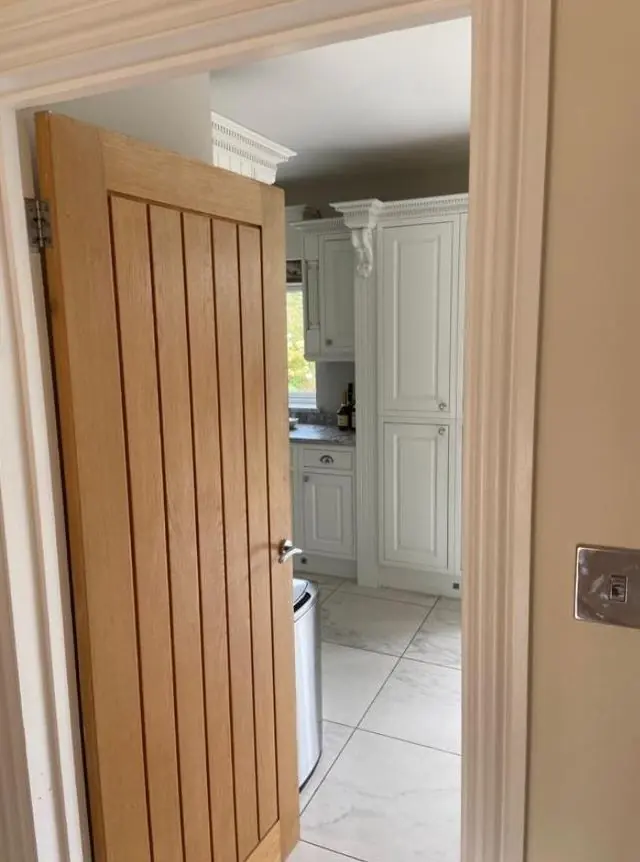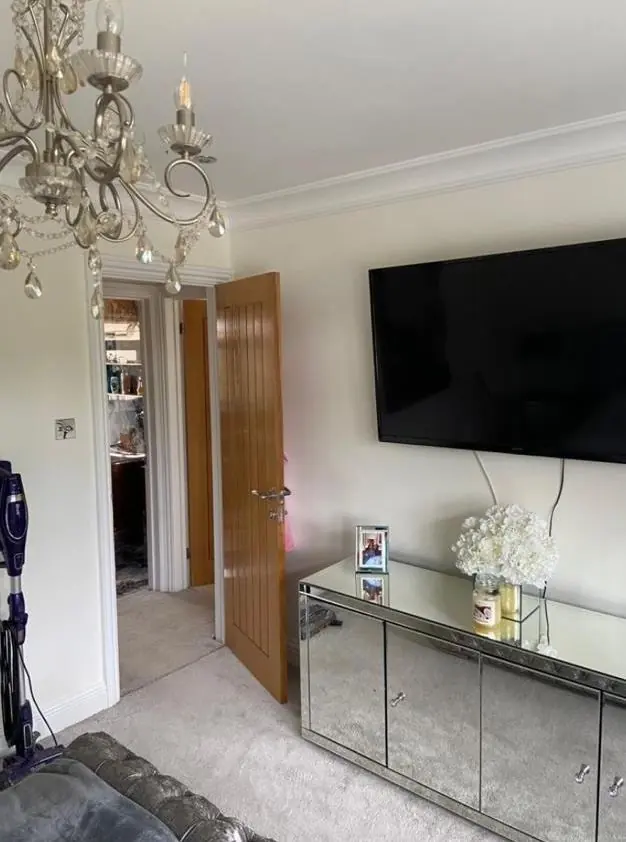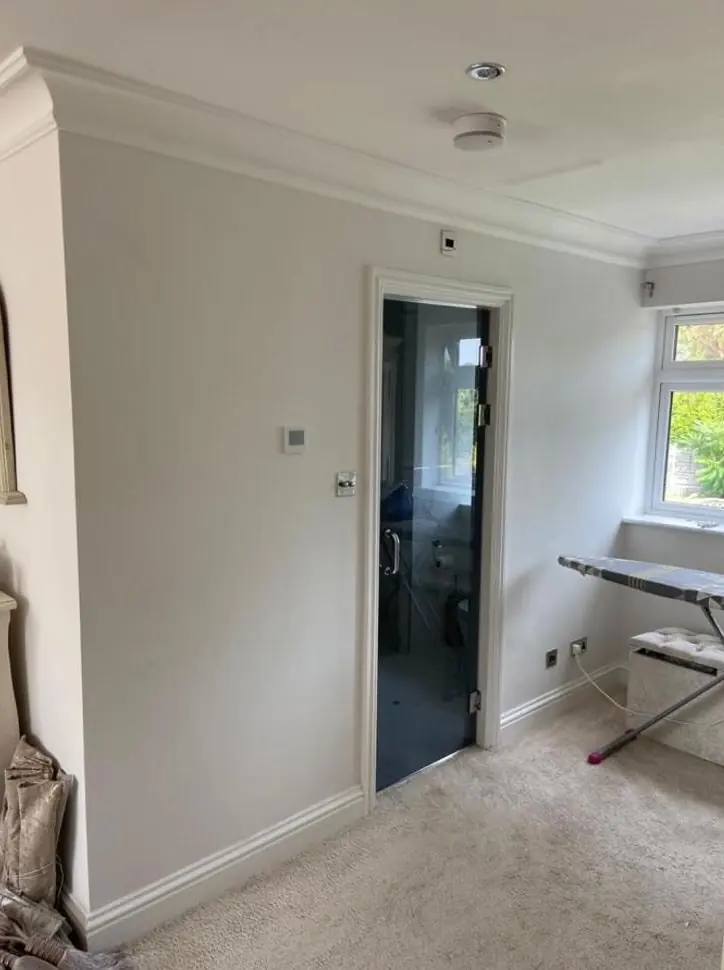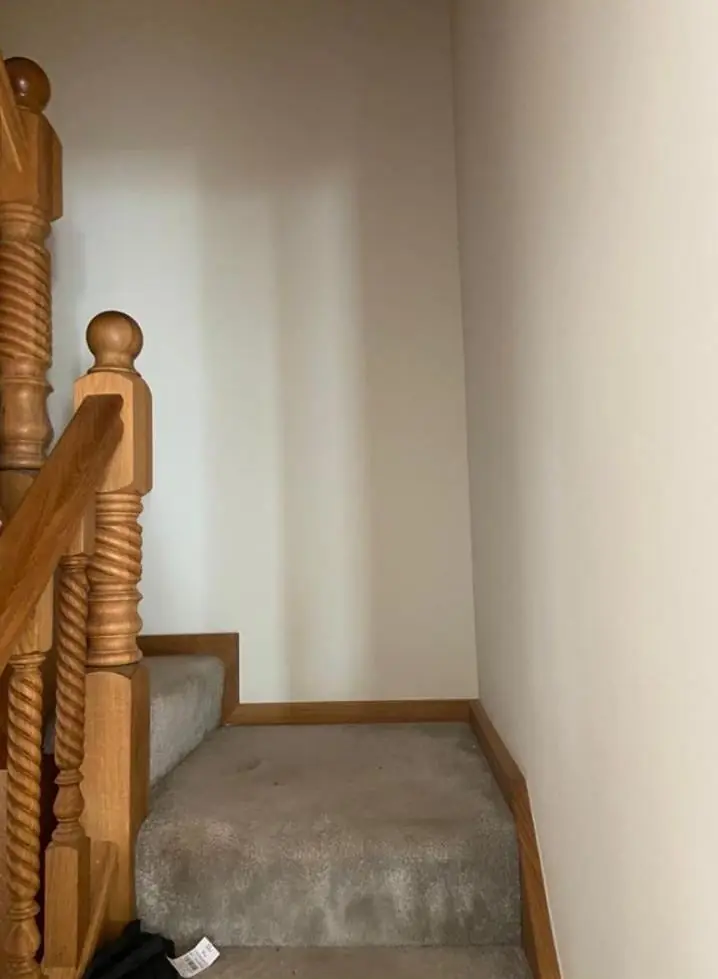
Dean gives colour and finish advice as part of decorating jobs in Spinney Hill, the NN3 district 2.1 miles out of the centre along Kettering Road. The semis here sit outside any conservation area, so choice is free, but traffic grime, tree-filtered light and the listed Manfield Grange all affect what works.
Free choice on the semis, more care at Manfield
Spinney Hill is not covered by a conservation area. The nearest heritage Article 4 areas listed by West Northamptonshire Council, around Kingsley and Abington Park, lie further south. So on the bay-fronted semis of Spinney Hill Road and the chalet homes on Lindale Close, owners can choose front door, window and wall colours without planning rules coming into it.
That freedom is useful, but there is no street guidance to lean on either. A pair of semis shares a party wall and usually a roofline, so a front door colour that looks confident on its own can look odd beside the neighbour’s half of the same building. Dean usually suggests standing back and looking at both halves together before settling on a shade.
Manfield Grange is the exception. The former mansion and hospital is Grade II listed and built of dressed ironstone with Rutland stone dressings. The stone must stay unpainted, and changes to external colours or original interior features need listed building consent. Inside the flats, advice is about shades that sit comfortably with any original panelling and with the warm brown of the ironstone seen through the windows.
Front elevations on the bus corridor
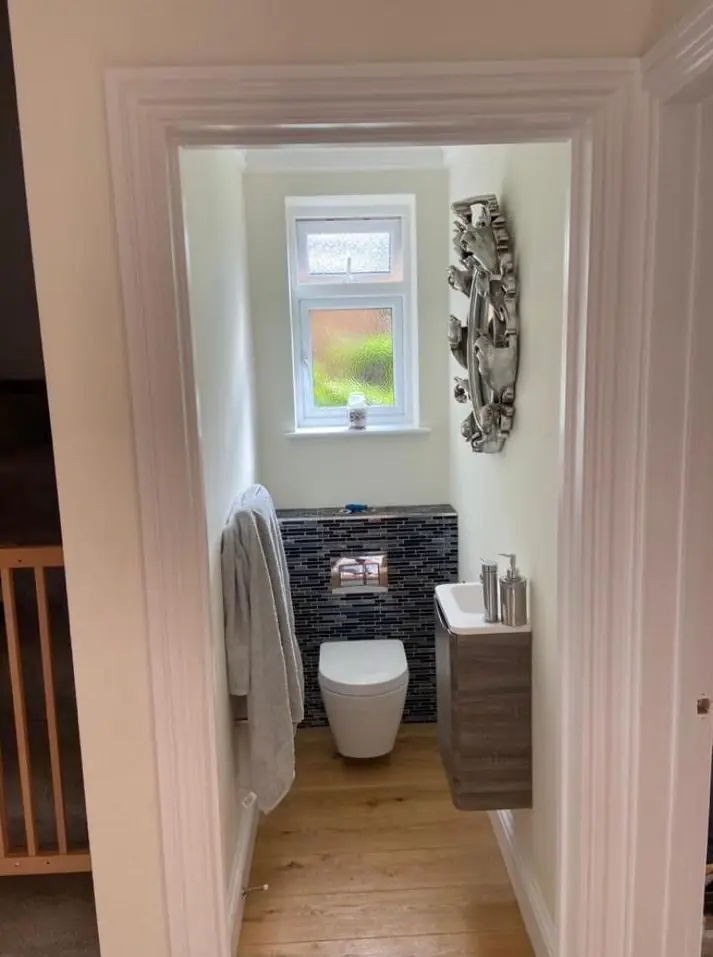
Kettering Road carries buses towards Kettering, Moulton Park and Blackthorn, and houses facing it collect a grey traffic film on walls, sills, gates and front doors. That should shape the choice. Very pale creams and brilliant white show grime within months. A soft stone, a warm grey or a mid-toned green keeps looking clean for longer between washes, and gloss or satin on doors and railings wipes down more easily than matt.
| Surface | Facing Kettering Road | Quieter side streets |
|---|---|---|
| Front door | Deep green, navy or charcoal in gloss | Open choice, including lighter or brighter colours |
| Bay woodwork and sills | Off-white or pale stone rather than pure white | White or off-white |
| Gates and railings | Black or very dark grey, gloss | Black, or a colour taken from the door |
Garden rooms that face Bradlaugh Fields
Many rear gardens in Spinney Hill back onto the trees and hedgerows of Bradlaugh Fields, and some face south. That changes how colour behaves in the rooms on that side. In summer the foliage filters the light, so walls take on a faint green cast; in winter the branches are bare and low sun pours in. A cool grey that looks fine on a chart can turn greenish and flat in July. Shades with a slightly warm undertone, such as a putty, a warm white or a muted terracotta, hold steady through both seasons.
Conservatories and glazed extensions push this further. The light is strong enough to fade very dark or intense colours unevenly, so mid tones in a durable finish last longer there.
Sheen matters as much as shade
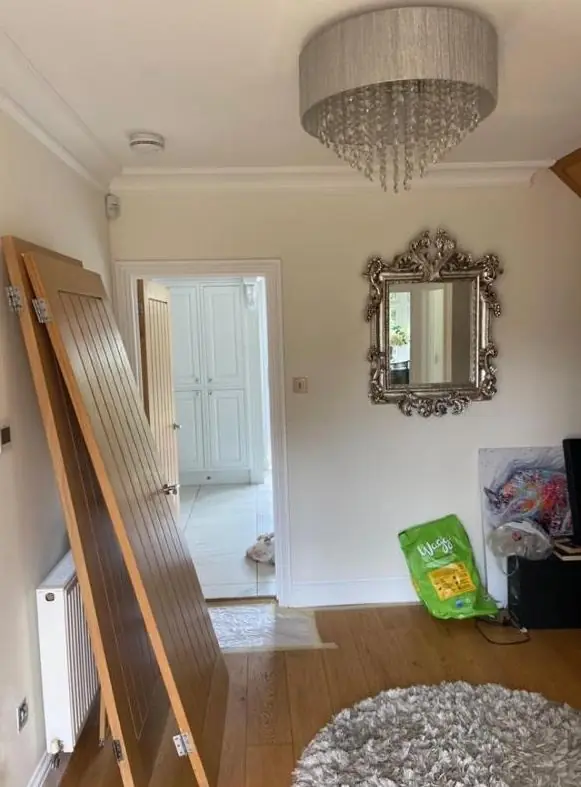
In a family semi the finish deserves as much thought as the colour. A hallway that links the original house to a rear extension takes bags, prams and bikes, so a scrubbable matt or eggshell copes better than a chalky flat matt. Annexe kitchens and shower rooms need a moisture-resistant finish. On the period doors, skirting boards and picture rails that survive in many of these houses, satin gives a softer look than high gloss and suits the period.
Colour advice comes as part of a decorating job rather than as a separate design service. Dean looks at the room at the time of day you use it and tests sample patches on your own walls. For the approach in more depth, see our main colour and finish advice page. Dean can usually call in for a colour chat while measuring up; our Spinney Hill page lists the other work we do here.
Last updated by Dean, DH Painter & Decorator.