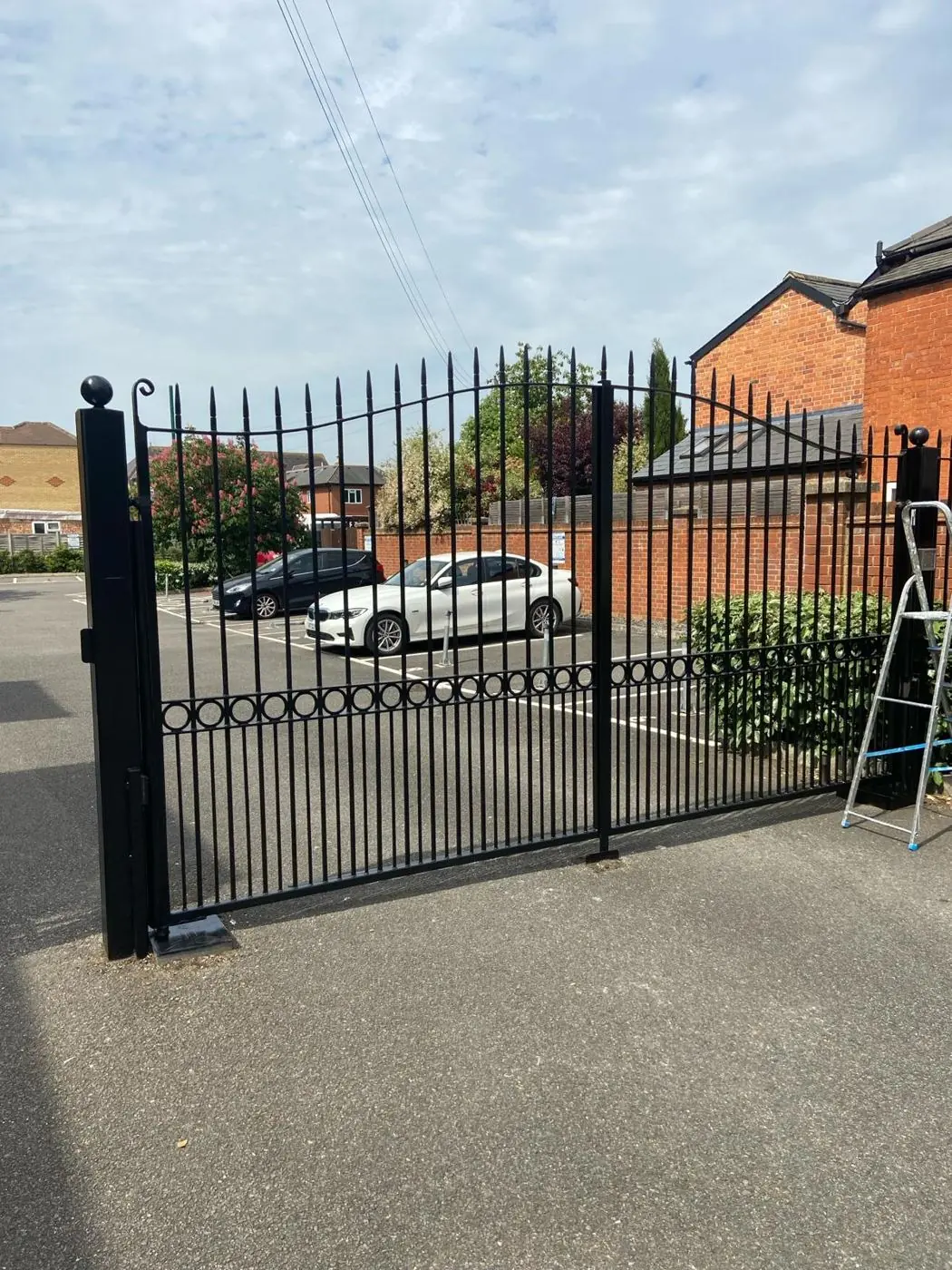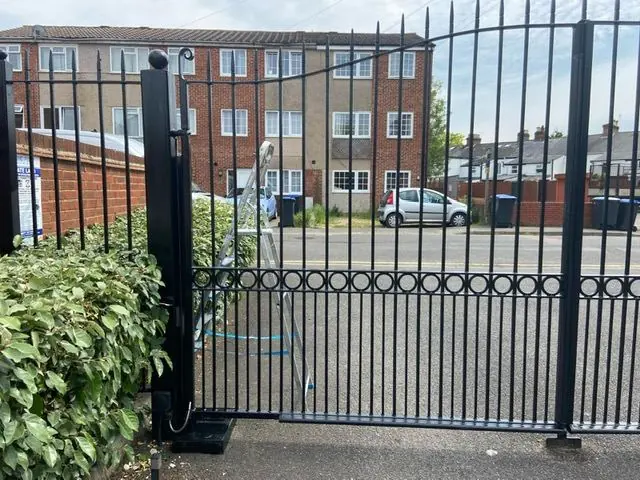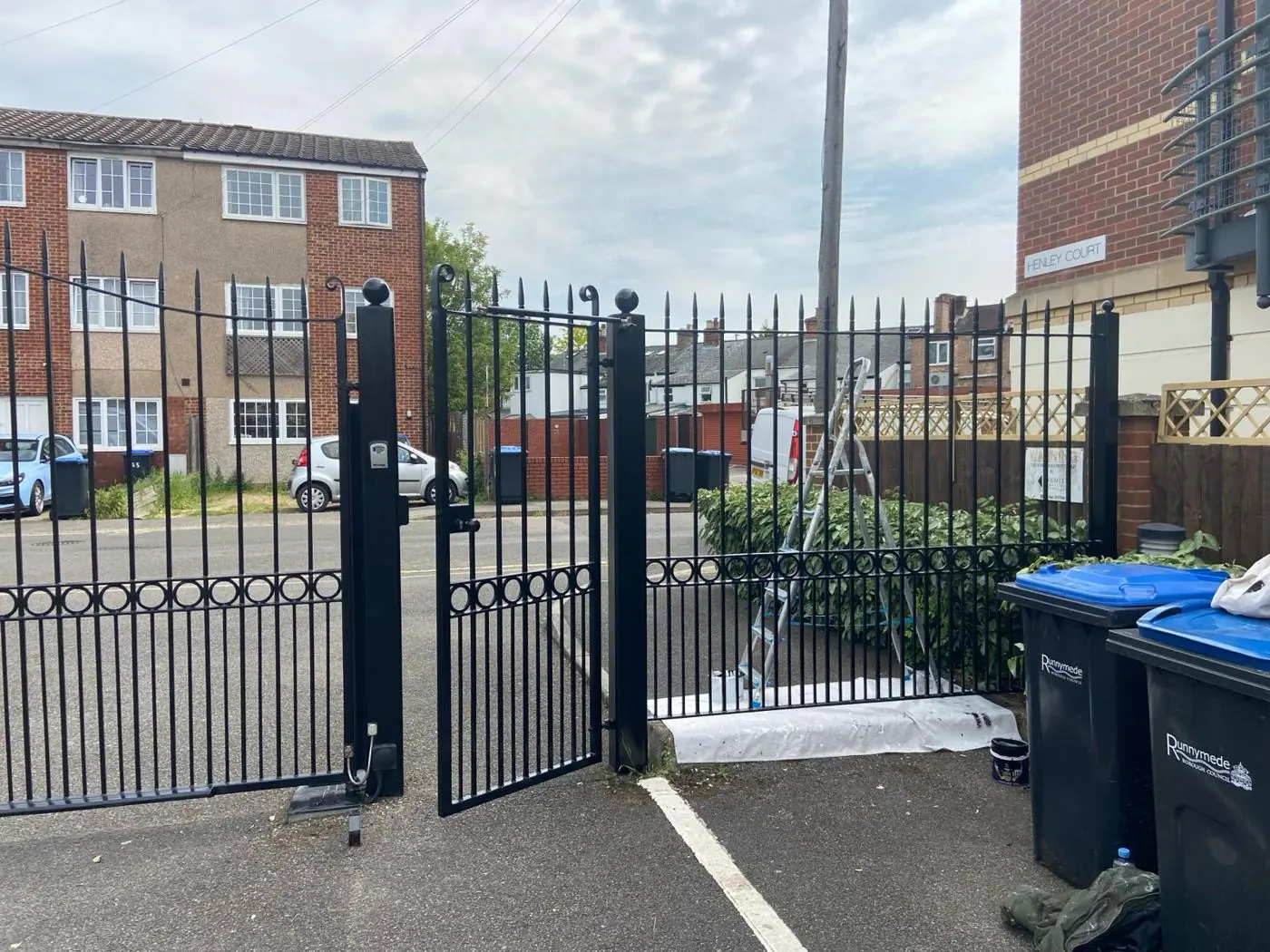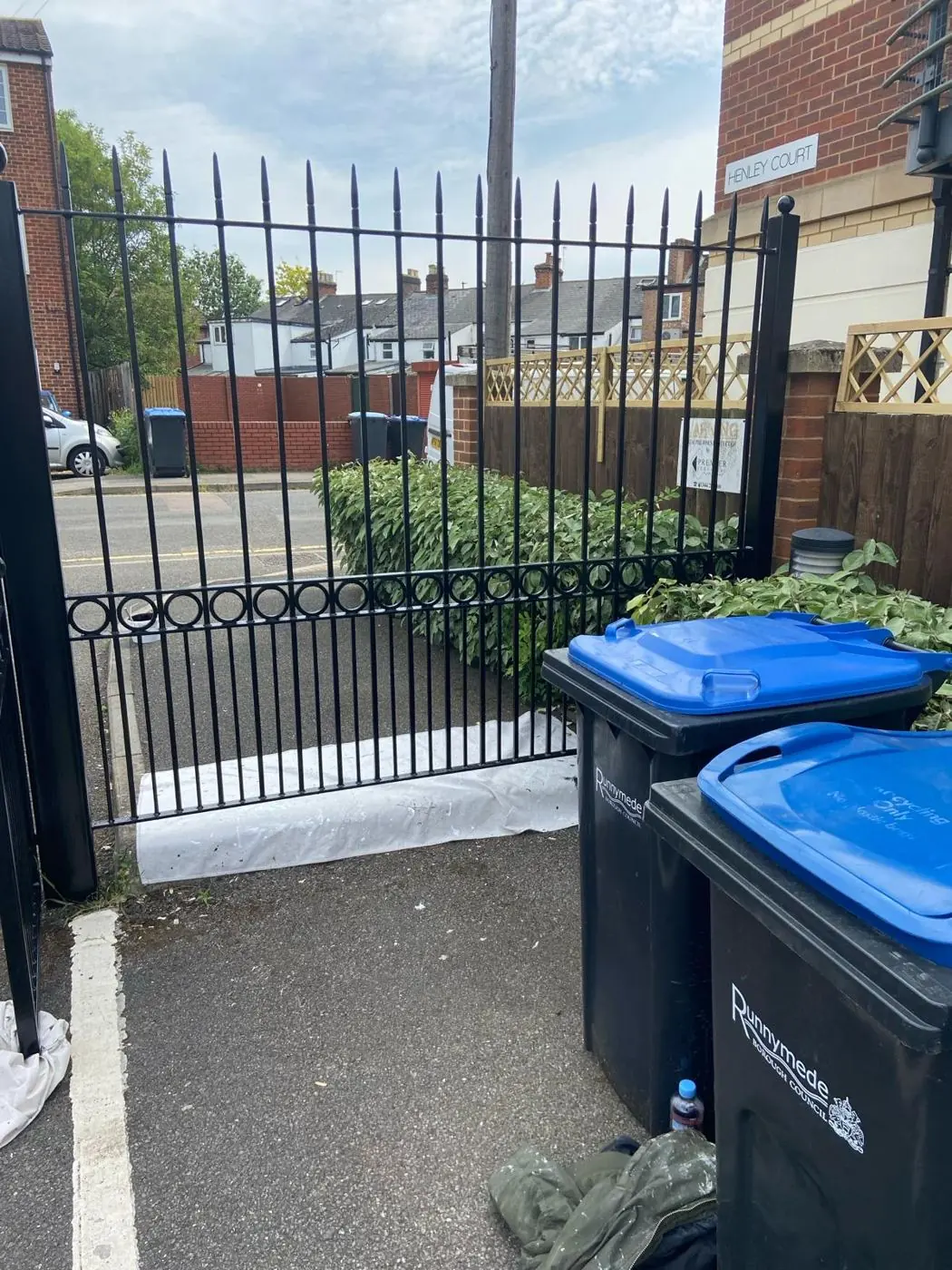
DH Painter & Decorator stains and paints garden fences, gates and outdoor timber for homes in Blackthorn, NN3, about 3.8 miles north-east of Northampton. Most gardens on the estate are small rear plots behind terraced houses, and fences near Lings Wood weather faster, so Dean plans access and preparation around both.
Small rear plots behind the terraces
Most homes in Blackthorn are terraced, from about 45% of homes around Blackthorn Bridge Court to 64% in the neighbouring Census area. The gardens that go with them are generally compact rear plots, enclosed by panel or board fencing and often with a gate onto a shared path. That makes a typical fence job here short in length but awkward to reach, and it changes the order we do things.
On a small plot there is not much room to work around pots, sheds and washing lines, so we agree with you beforehand what can be moved and what needs covering. Plants against the fence line are sheeted, and the stain is brushed into the overlaps and along the board edges rather than sprayed, which also keeps drift off your neighbours’ gardens. The general detail on stains, fence paints and preparation is on our main fence and gate staining page.
Fences on the Lings Wood side
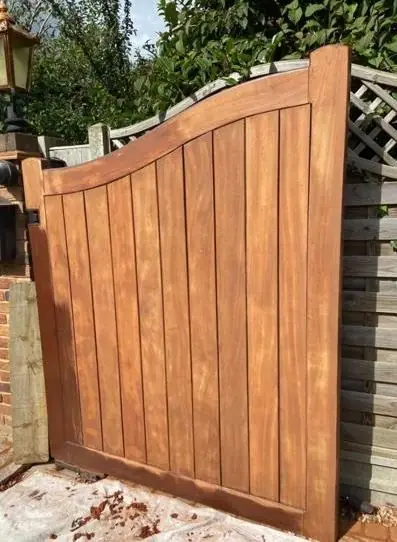
Lings Wood forms the western edge of the estate. Gardens backing onto it or near it get shade from mature trees, leaf litter and damp that hangs around long after rain. On a timber fence that shows up as green algae on the lower boards and gravel boards, black mould in the grooves, and soft, grey timber where the old stain has worn off. Applying fresh stain over that growth wastes it.
So on these boundaries the fence is first treated with a biocide and left to work, then brushed down and allowed to dry properly before any finish goes on. In a shaded garden that drying time can stretch, which is one reason we book these jobs for a settled spell rather than squeezing them between showers. A finish with some mould resistance makes sense where the sun barely reaches.
Getting the materials to the garden
Blackthorn’s Radburn layout keeps cars in courts and on through roads, with pedestrian walks between the houses. A mid-terrace house usually has no side passage, so tins, brushes and dust sheets either come through the house or round by the shared path behind the gardens. Before the first visit we check which route you would prefer:
- Through the house: floors and doorways are covered first, and the kit is kept to a minimum.
- Along a shared rear path: nothing is left blocking the path between trips, as neighbours use it too.
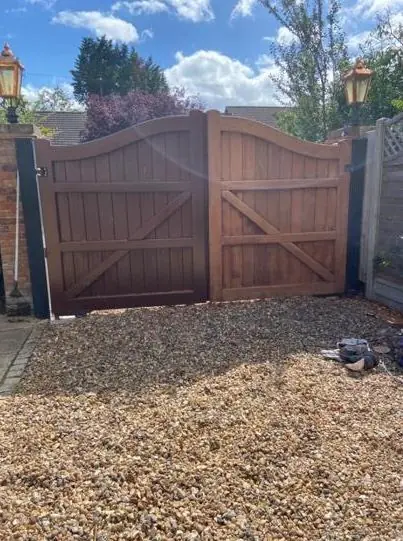
- Through the rear gate: if the gate itself is being stained, it is done last so it can be left open to dry.
Boundaries, shared paths and next door
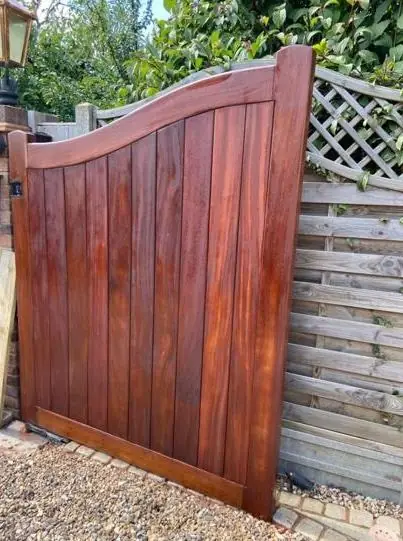
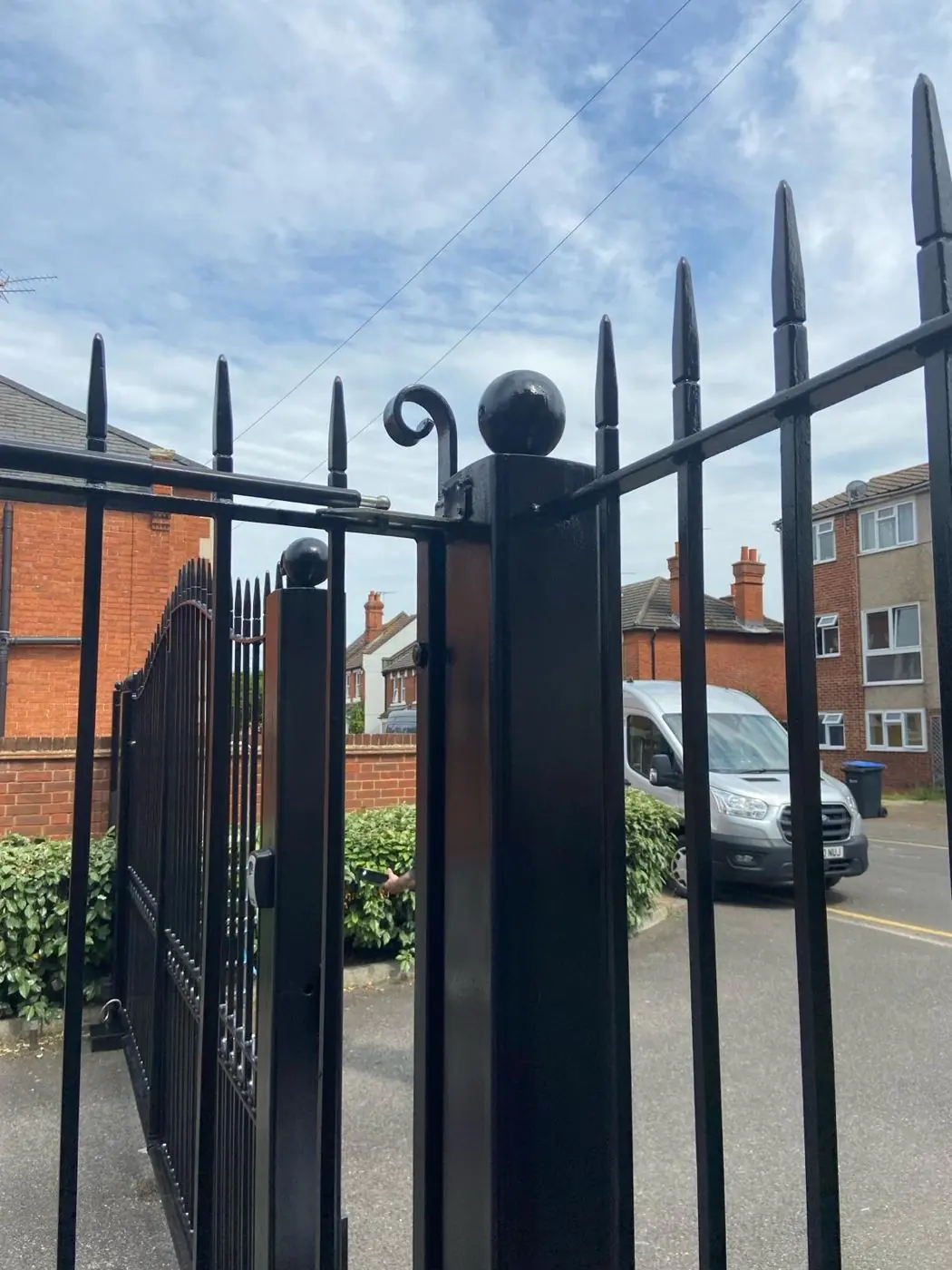
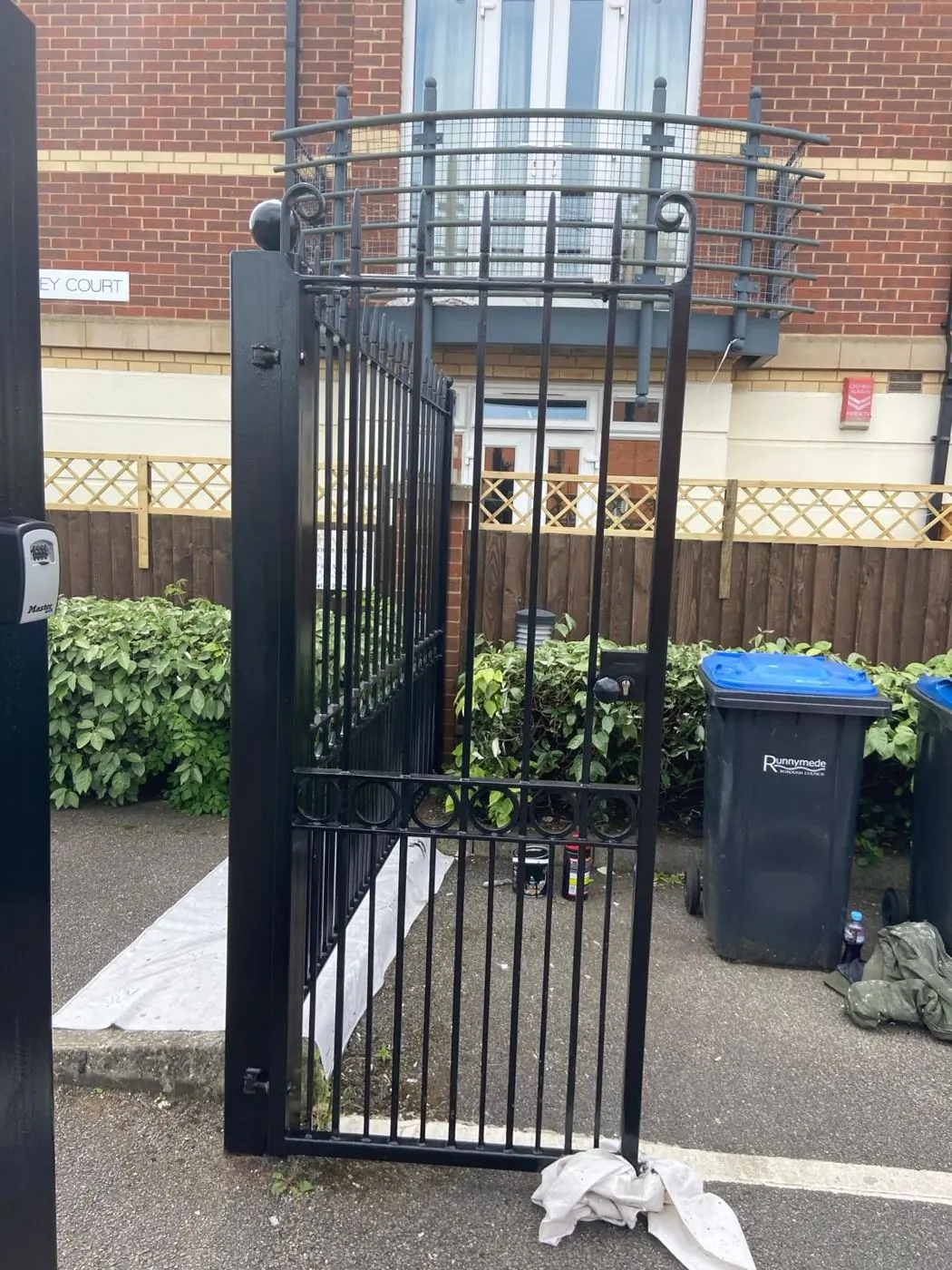
On a terrace each fence is shared with at least one neighbour, and the side facing them is theirs to decide on. We stain or paint your side only unless they agree otherwise, and keep stain off their panels where the boards overlap. Gates that open onto a shared path are a common job here; the hinges and latch get a check while we are at it, since a sagging gate drags and wears its finish away faster.
If you are an ex-council or right-to-buy owner, fences and gates are usually yours to look after, while on a council-owned home they may be the landlord’s. Not sure? It is worth checking before booking. For the rest of the estate’s outside work, see our Blackthorn area page.
Last updated by Dean, DH Painter & Decorator.