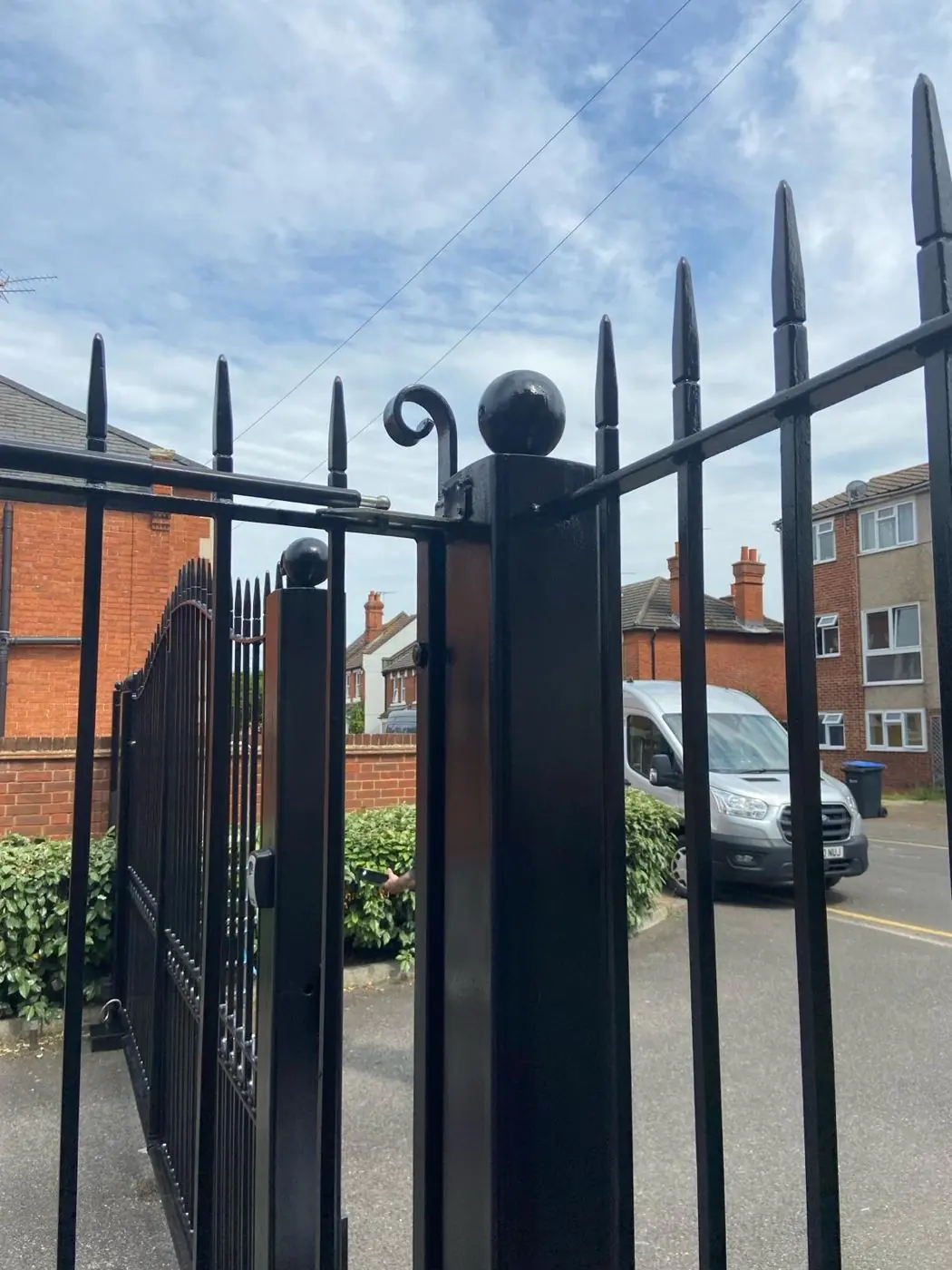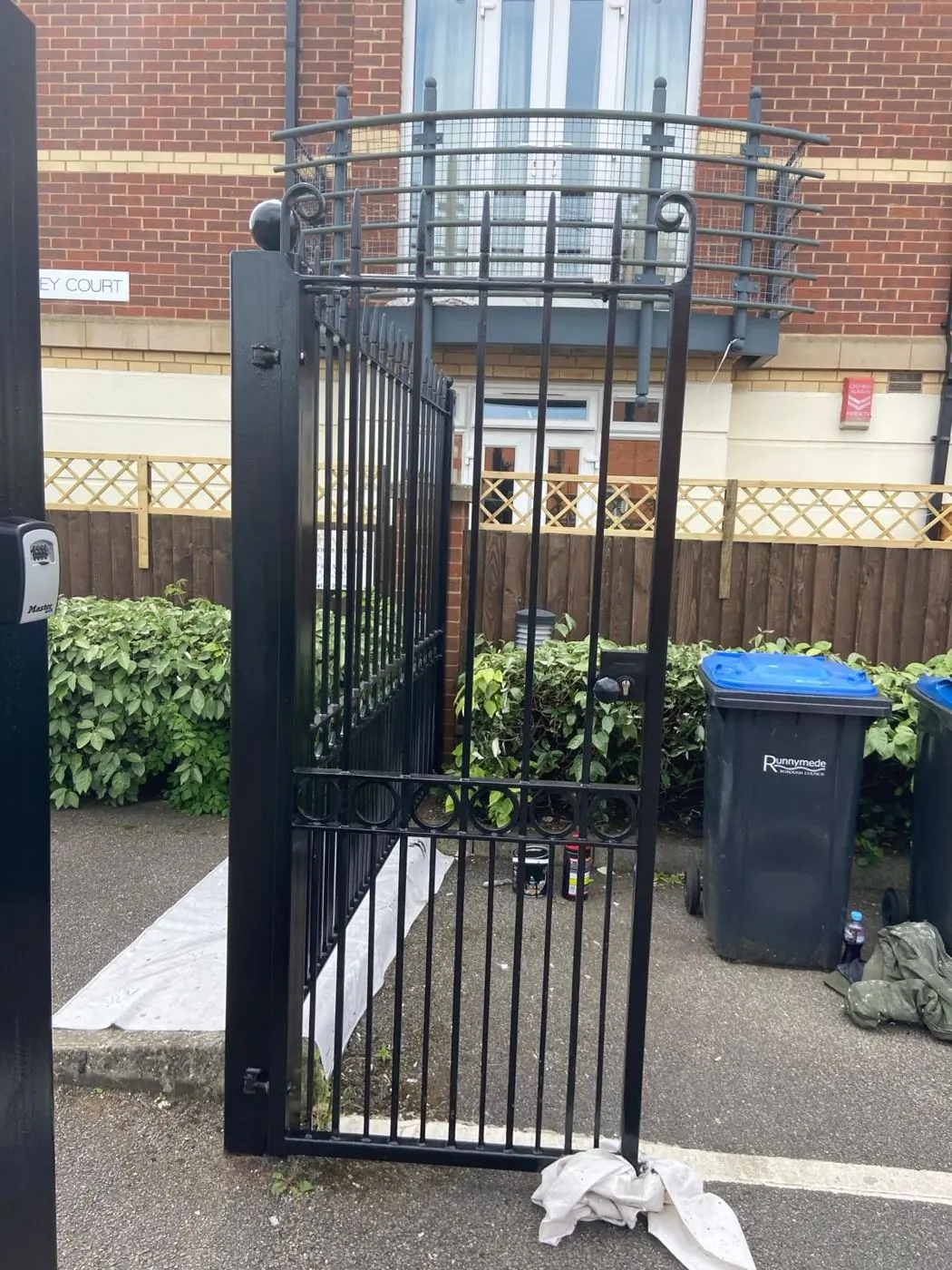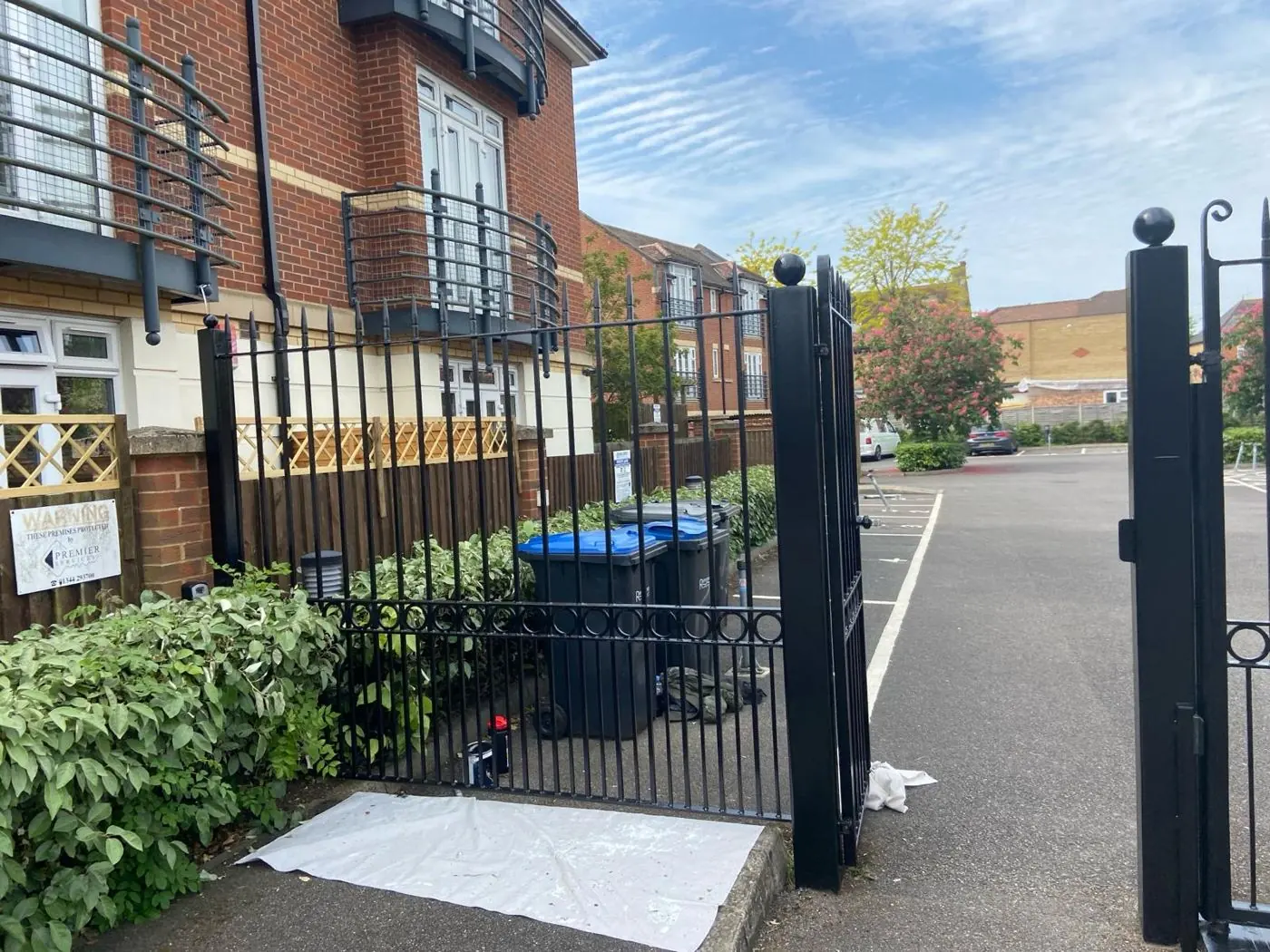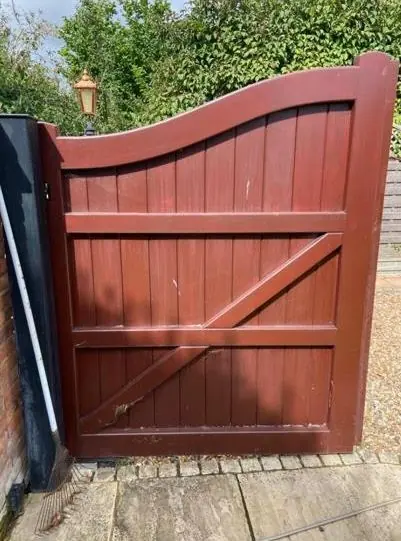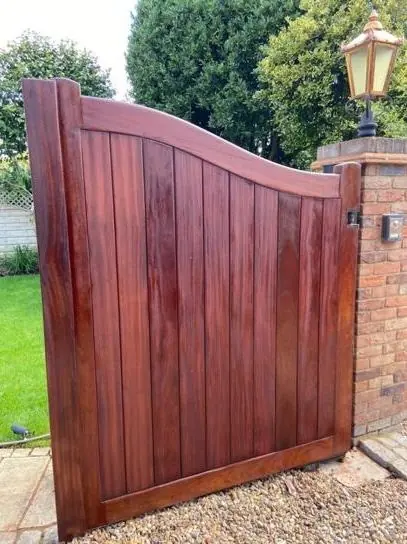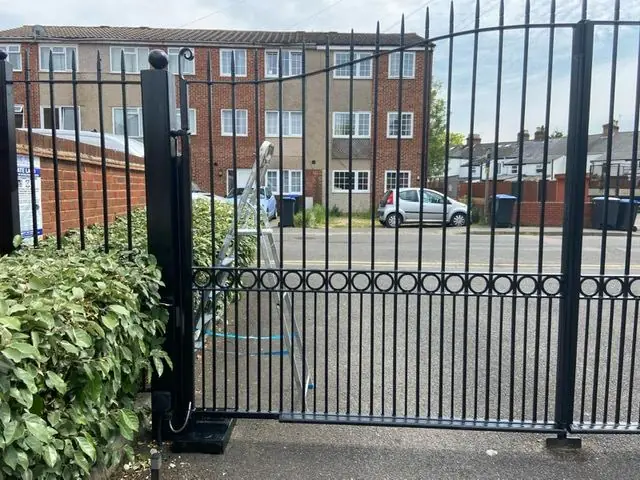
DH Painter & Decorator stains and paints fences and timber gates in Great Billing, NN3, about 3.9 miles east of Northampton town centre. Most of this work is on the modern estates around the old village, since the conservation core is lined with stone walls rather than fencing.
Stone walls in the middle, timber fences around them
Walk down High Street, Elwes Way or Church Walk and the boundaries are stone, capped with upright cock-and-hen stones, not fence panels. In the old core of Great Billing timber fencing is unusual, and the walls themselves are part of what the conservation area protects. The fencing is outside that core, on the housing built from the late 20th century onwards: Cumbrae Drive, Lady Winefride’s Walk, Valentine Way, Bramble Close, Penfold Lane and the closes around them. Those gardens are bounded by lap panels, feather-edge boards, concrete or timber posts and side gates, and that is where most fence staining in the village happens.
We cover Great Billing from our Northampton base, 3.9 miles west, and the main fence and gate staining page explains how we prepare and finish garden timber in general.
What tree cover does to a fence here
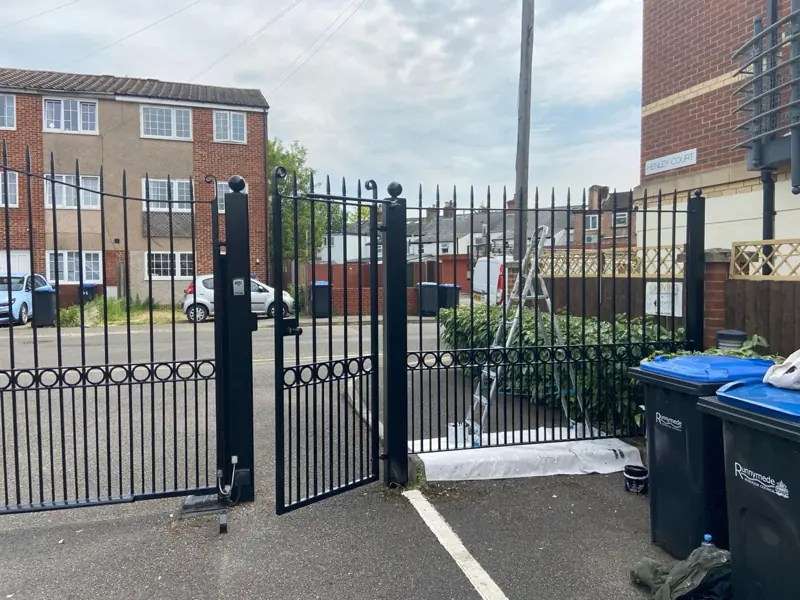
Great Billing is a well-treed place. Garden trees here are often mature, some carry Preservation Orders, and every tree in the old core has conservation-area protection. For a fence that means three things:
- Slow drying. Panels in shade stay damp for days after rain. We check the timber is dry enough before staining, because stain over damp wood does not soak in and will wear patchily.
- Green growth. Algae and moss build up on the shaded side and along the gravel boards. A fungicidal wash goes on first and is left to work before brushing.
- Leaf and sap drop. Autumn leaves and sticky deposits mark a wet finish, so in heavily shaded gardens we prefer late spring and summer and keep each run small enough to cover the same day.
Overhanging limbs stay as they are while we work. Pruning a tree with a Preservation Order, or any trunk thicker than 75mm in the conservation area, is something the owner has to notify the council about first.
The sunny side of the slope
Great Billing climbs the valley side above the River Nene, so fences running east to west often have one face in full sun and the other in shade. The sunny face dries out, fades and greys faster; the shaded face greens. A single product does not always suit both. We may suggest a pigmented, UV-resistant stain on the exposed side and give more attention to cleaning and drying on the other, so the two faces age at a similar rate.
Gates and other garden timber
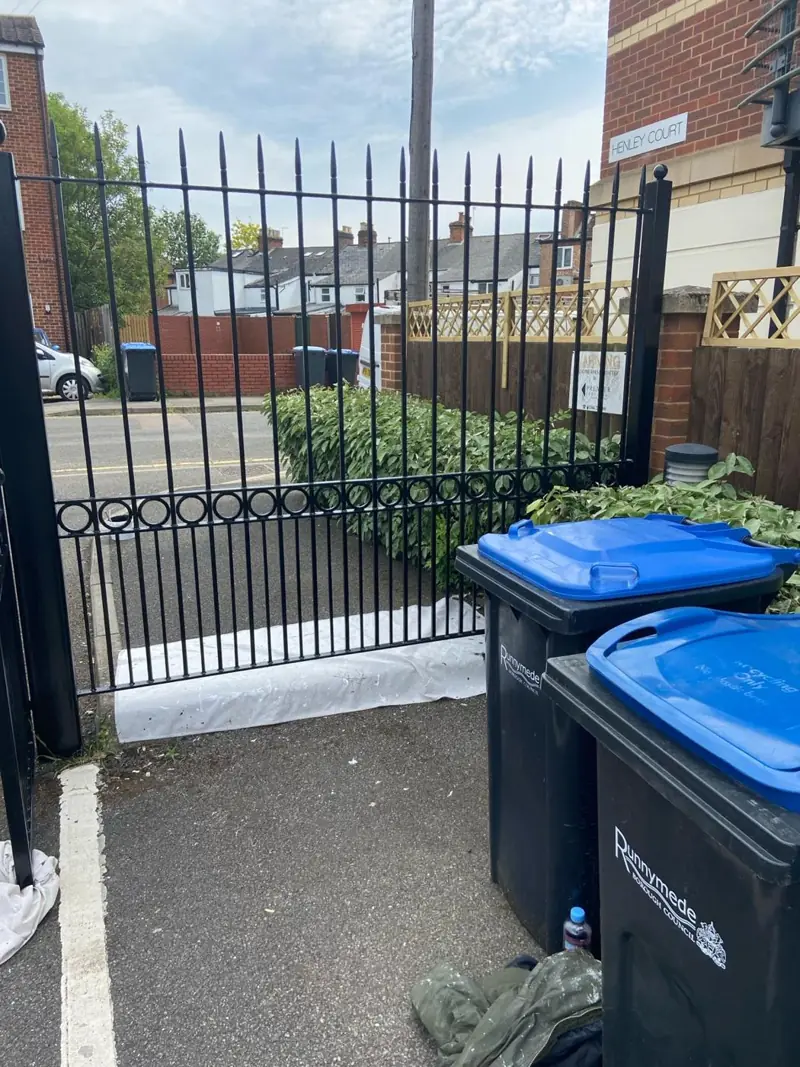
Side gates on the estate houses tend to be softwood ledged-and-braced or framed designs, and the hinge side, the bottom rail and the end grain are where they fail first. We sand back, seal end grain and finish in stain or opaque fence paint to match the fence or contrast with it. Planters, sheds and pergolas can go into the same visit.
Inside the old village, timber outbuildings, sheds and the occasional garden door are the main candidates. Oak and cedar are left to show their grain with a thin penetrating oil, while softwood can take a coloured stain.
Booking and timing
Close and cul-de-sac layouts usually mean easy parking on the drive, but rear gardens are often reached only through the side gate, so we bring kit through by hand and lay sheets on lawns and borders. Our exterior painting weather guide covers timing, and the Great Billing overview covers the village as a whole.
Last updated by Dean, DH Painter & Decorator.