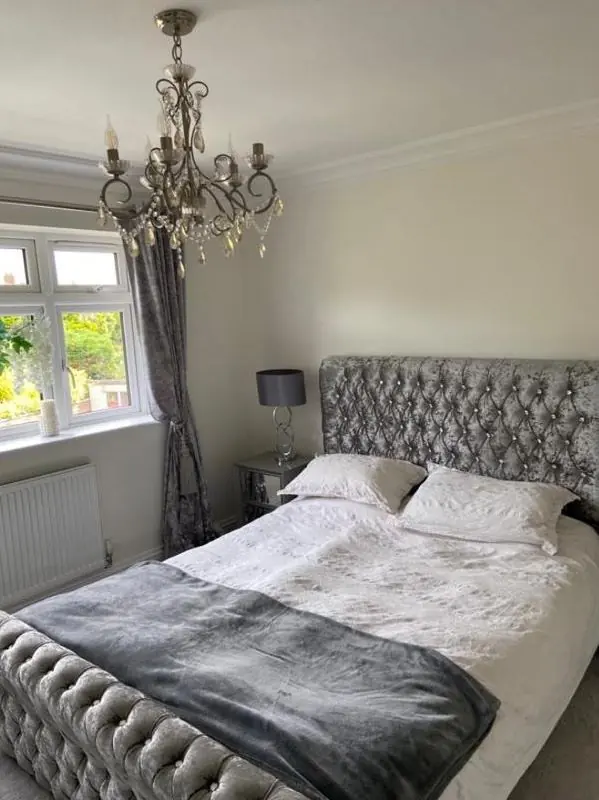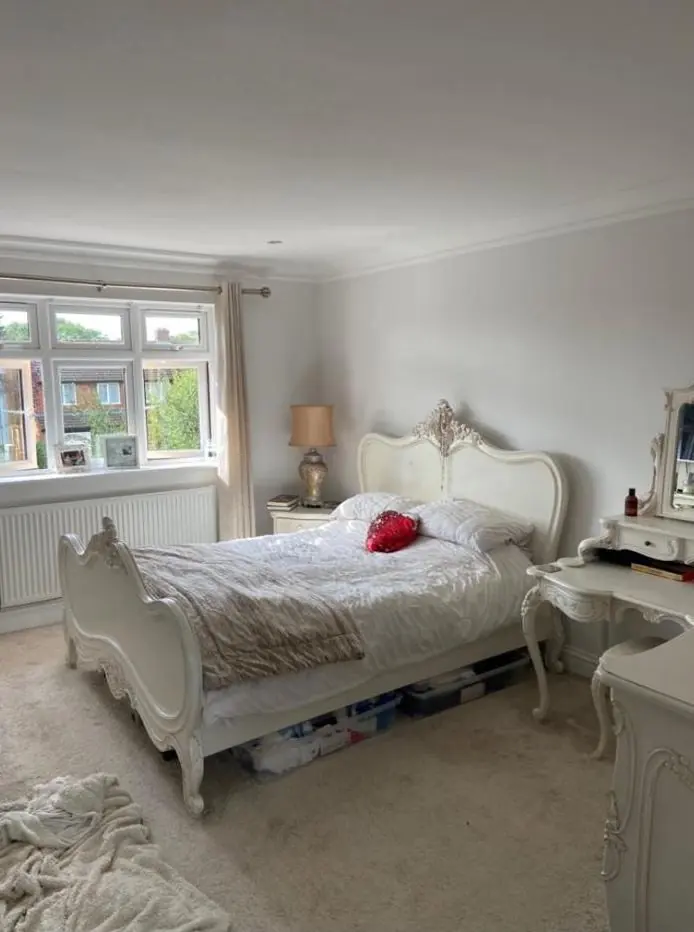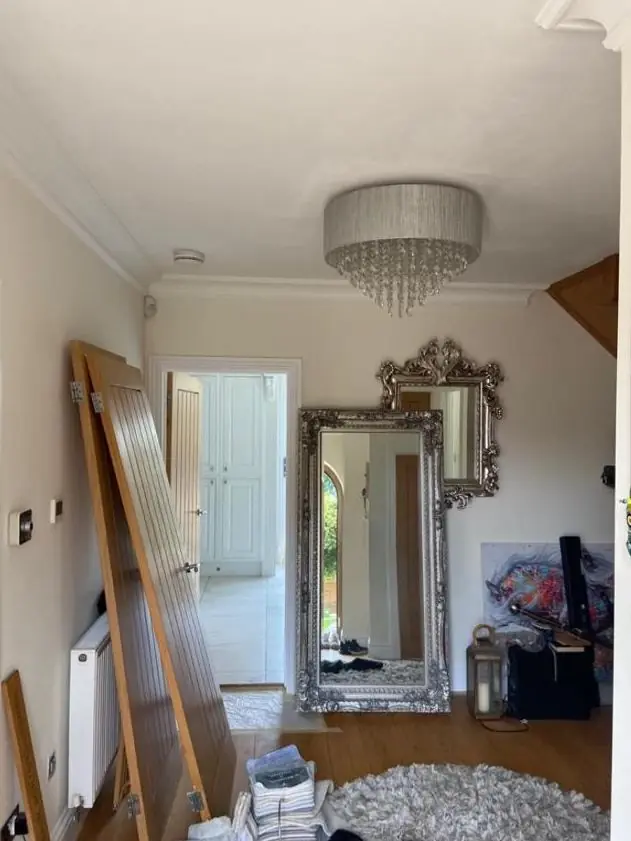
Dean gives colour and finish advice in Wollaston, 9.6 miles east of Northampton town centre, alongside the painting work we do there. It means choosing colours that sit well with the village's coursed limestone and ironstone, checking consent issues for listed buildings and fitting finishes to each room's light.
Starting from the stone
Wollaston’s older buildings set the palette before anyone opens a colour chart. Most of the listed houses are regular coursed limestone, some of it lias, and the grander buildings mix limestone with bands of rust-brown ironstone. St Mary’s Church on Hickmire and Wollaston Hall are both built this way. A few cottages, including 16 Duck End and The Boot on the High Street, have stone that was painted long ago.
Colours that work against that stone are usually the quieter, earthier ones: warm off-whites, stone and putty shades, muted greens and soft greys with a warm undertone. Brilliant white on a door or window frame set into old coursed limestone can look harsh. Pure cool greys can make the stone look dull by comparison. For woodwork on period fronts, deeper traditional colours such as dark green, dark blue-grey, or off-black often sit better than white.
We usually suggest putting large sample patches on the actual wall or door and viewing them in morning and afternoon light before deciding. On stone, a small card held against the wall can look very different once a whole elevation is painted.
Listed buildings and the conservation area
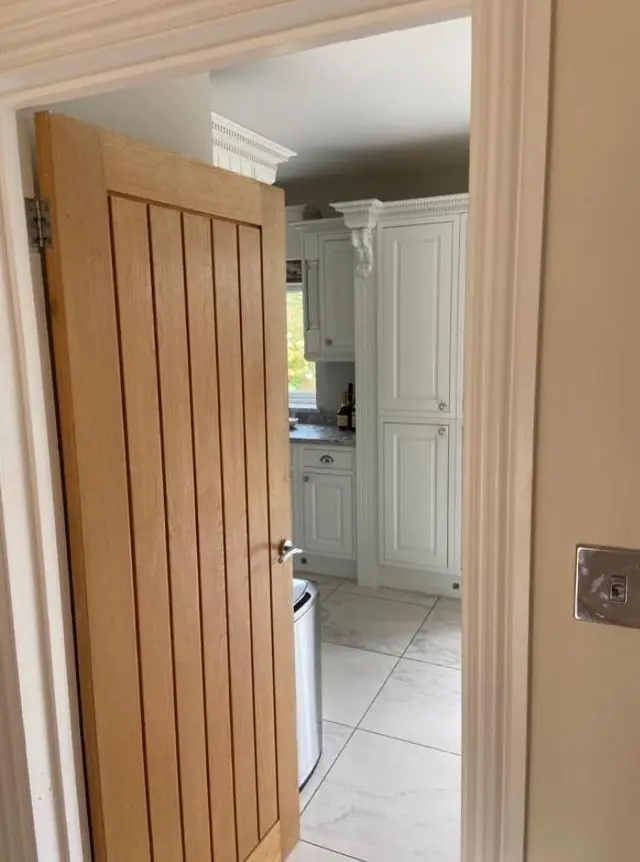
Wollaston’s conservation area runs along the High Street and up to Beacon Hill, and over 40 buildings across the parish are on the list, every one Grade II apart from St Mary’s Church at Grade II*. On a listed home, a new external colour or finish can count as an alteration that the council has to approve. That applies to repainting a front door in a very different colour, painting stone that was never painted, or switching to a different type of paint.
We can’t give planning decisions, but we can help you prepare a sensible proposal. That usually means matching what is there now, or choosing a traditional colour that suits the building’s age, and then asking the council before any work starts. On previously painted stone or lias, the paint type matters as much as the colour. These walls need a breathable mineral or lime-compatible paint, and that affects which colours are available in the first place.
Hilltop light inside the house
Wollaston’s height, 50 to 80 metres up between the Nene valley and the open claylands, affects light indoors as much as weather outside. Homes on the edges of the village can get long, open light, while rooms in the old cottages have small casements set into thick walls and stay dim for much of the day.
- Cottage rooms with small leaded or glazing-bar casements: pale, warm colours with a soft sheen bounce more light than flat dark shades. A slightly warm white on the ceiling helps too.
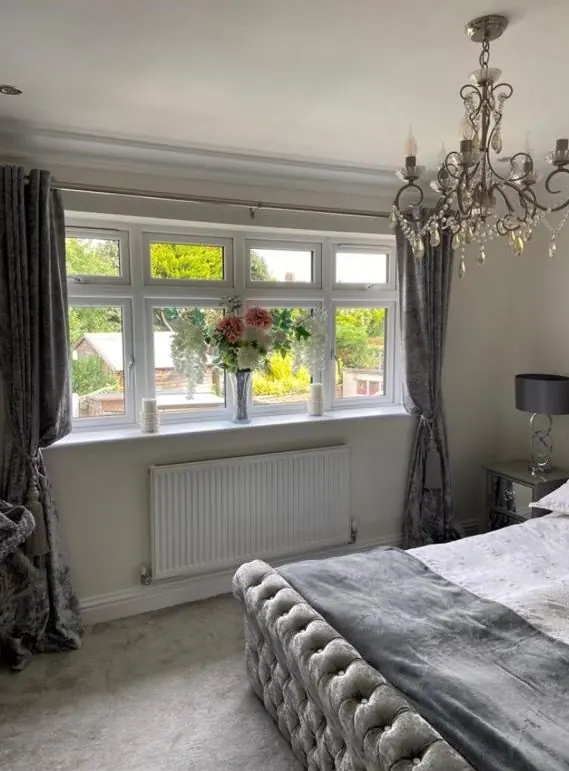
- Bright rooms facing open country: strong sunlight washes out very pale colours, so a shade or two deeper than you think often looks right.
- North-facing rooms in later family homes: avoid greys with a blue base, which can turn cold.
New builds starting from white
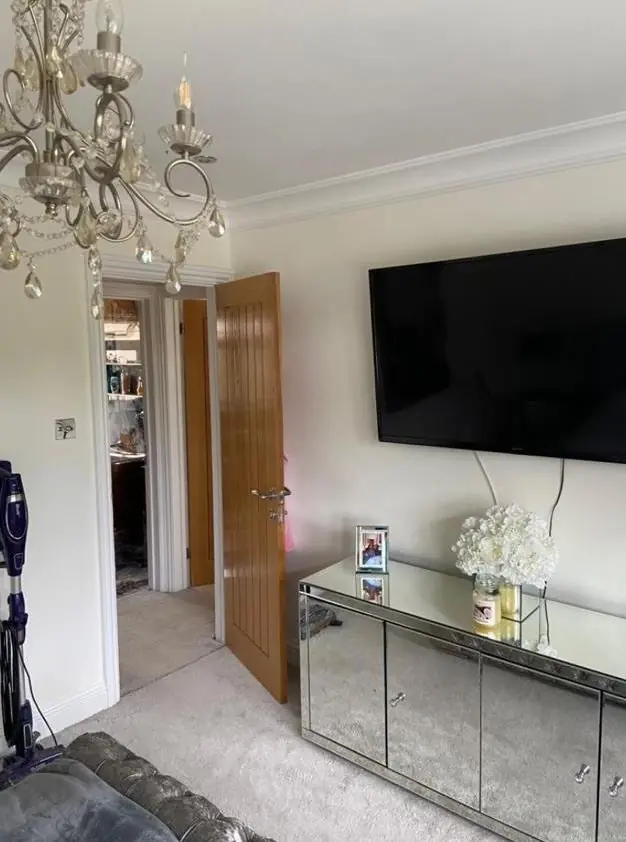
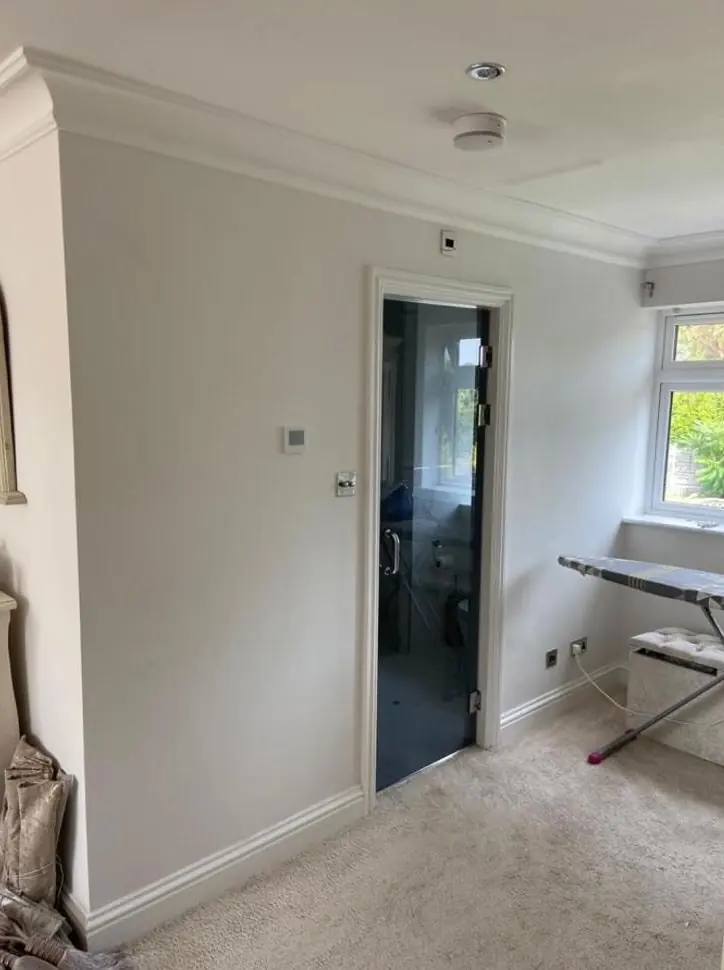
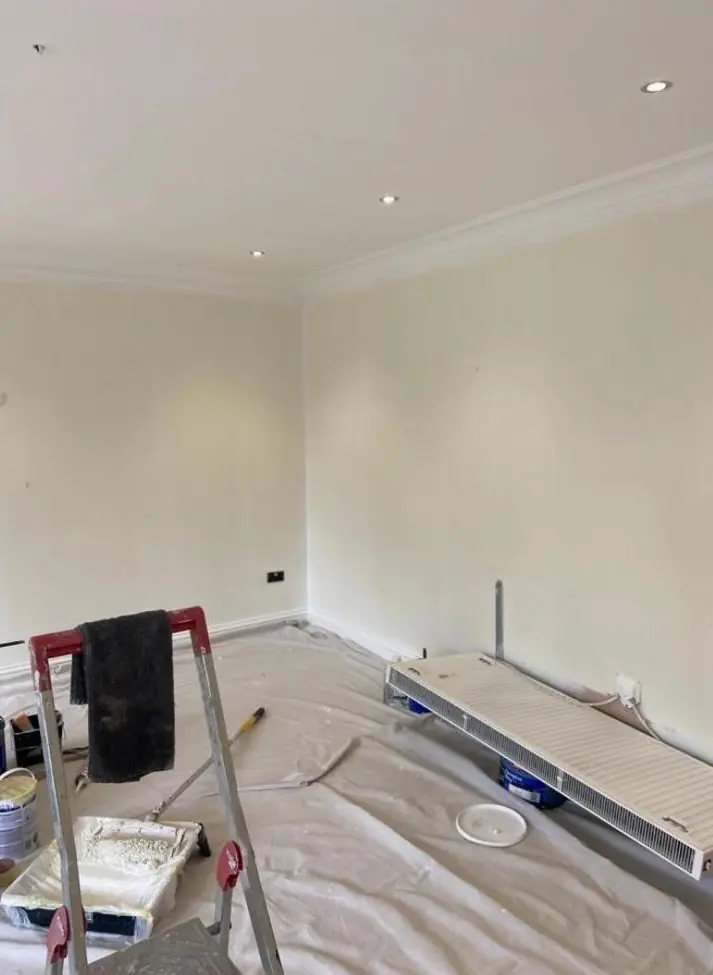
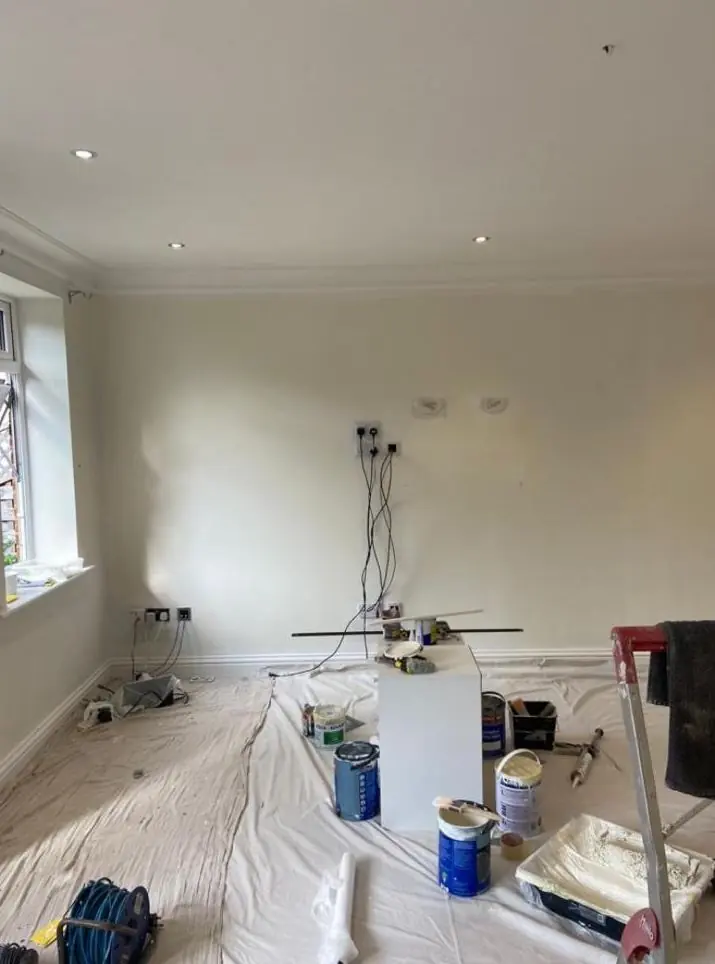
New-build houses are normally handed over in builder’s white or magnolia, so on the homes east of Hookhams Path you may be choosing every colour at once. The useful approach here is to pick one neutral for halls, stairs and landing that runs through the house, and then use that to decide colours for individual rooms. Finishes matter in a family house too: a scrubbable matt for hallways and children’s rooms, eggshell or satin on woodwork, and a bathroom paint where steam collects.
Colour advice comes with our painting work rather than as a separate design service. Our main colour and finish advice page explains how Dean approaches undertones and sheen levels, and our Wollaston page lists everything else we do in the village.
Last updated by Dean, DH Painter & Decorator.