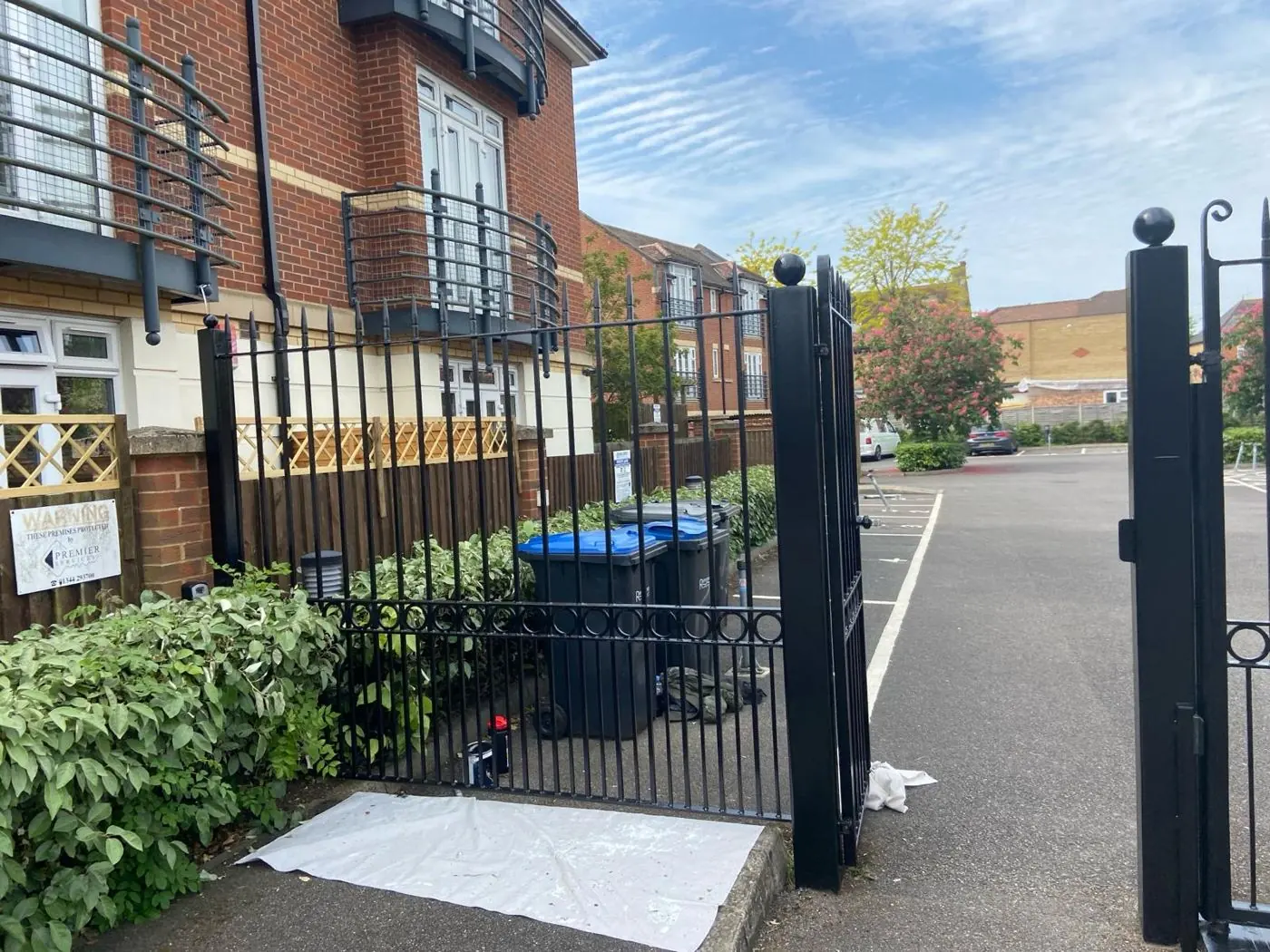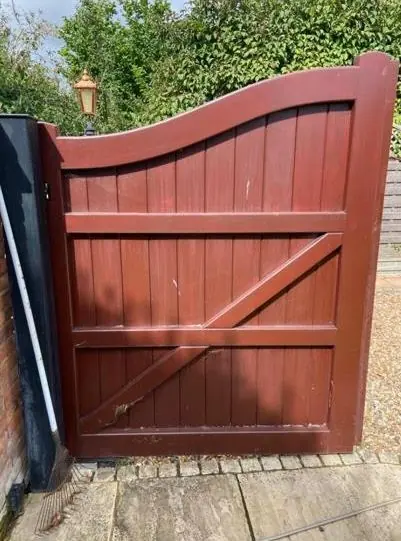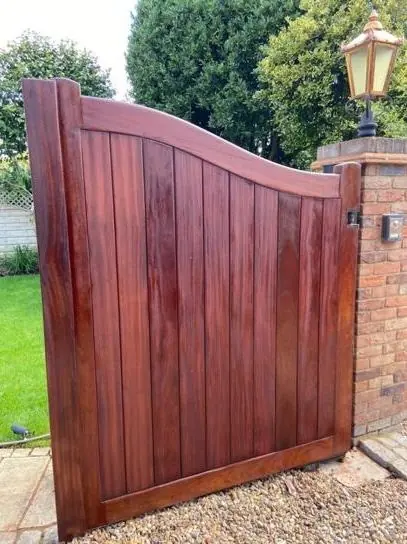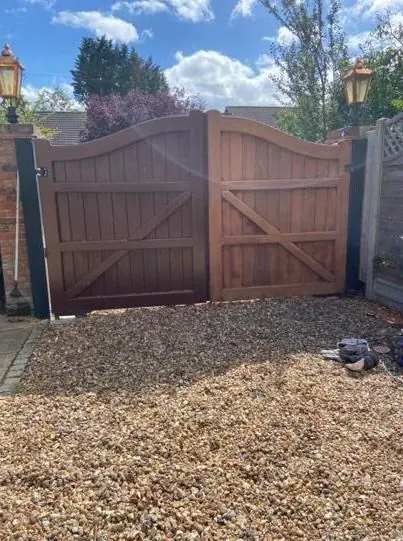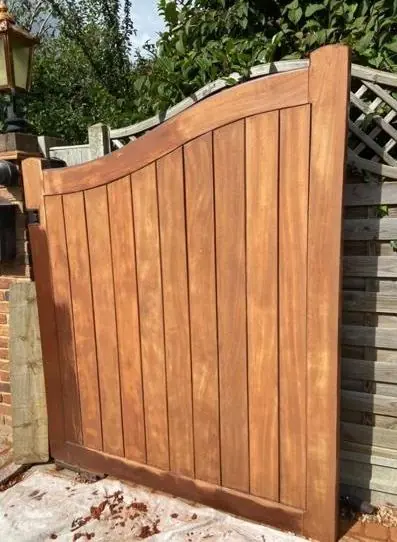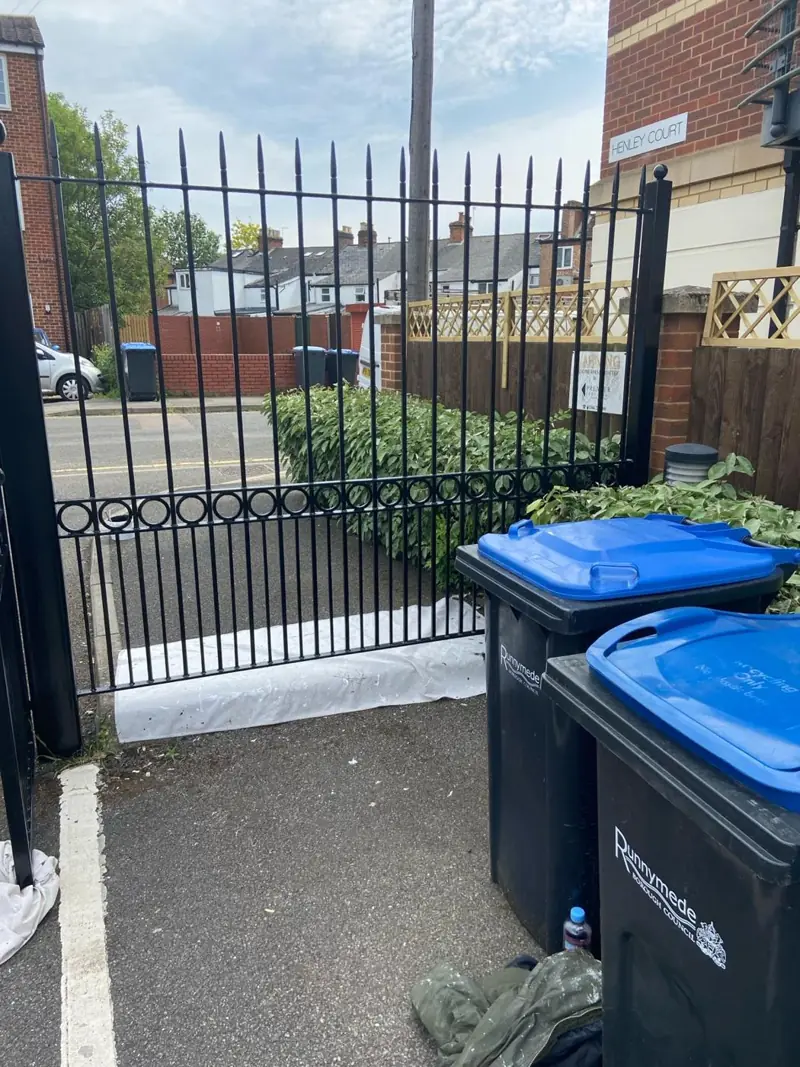
DH Painter & Decorator repaints metal gates and railings in East Haddon, about 7.3 miles north-west of Northampton town centre in NN6. Much of the ironwork here is set into old stone, and some belongs to listed structures, so colour and method matter. Dean inspects the metal and gives a free quote.
Ironwork with listed neighbours
The gates and gate piers to East Haddon Hall are listed at Grade II in their own right, separately from the Grade I house itself. That tells you something about the village: here, a gate can be part of the protected historic fabric, not just a garden fixture. Any iron gate or railing in front of an older house on Main Street shares that historic setting, whether or not it is listed itself.
For ironwork on or attached to a listed building, the starting point is to repaint in the existing colour and a similar finish. A change, such as black railings turned to a bright colour, may need listed building consent from West Northamptonshire Council. We are happy to advise on traditional colours, but the consent question is one for the council, and it is worth asking before a new colour is chosen.
When rust meets soft stone
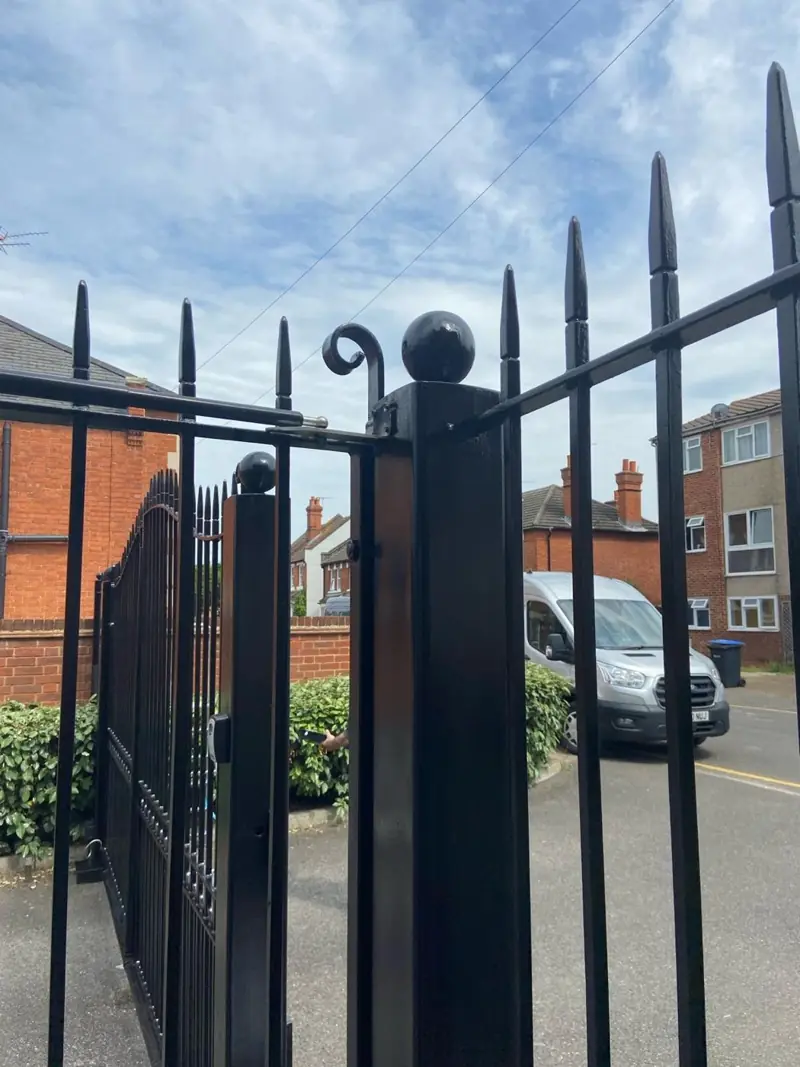
East Haddon’s piers, plinths and walls are mainly lias, limestone and Northampton Sand ironstone. These are softer than granite or engineering brick, and that matters for ironwork. Where a gate hinge pin, a railing foot or a bracket is set into stone, rust that forms inside the joint swells as it grows. Left long enough, it can crack the stone around it.
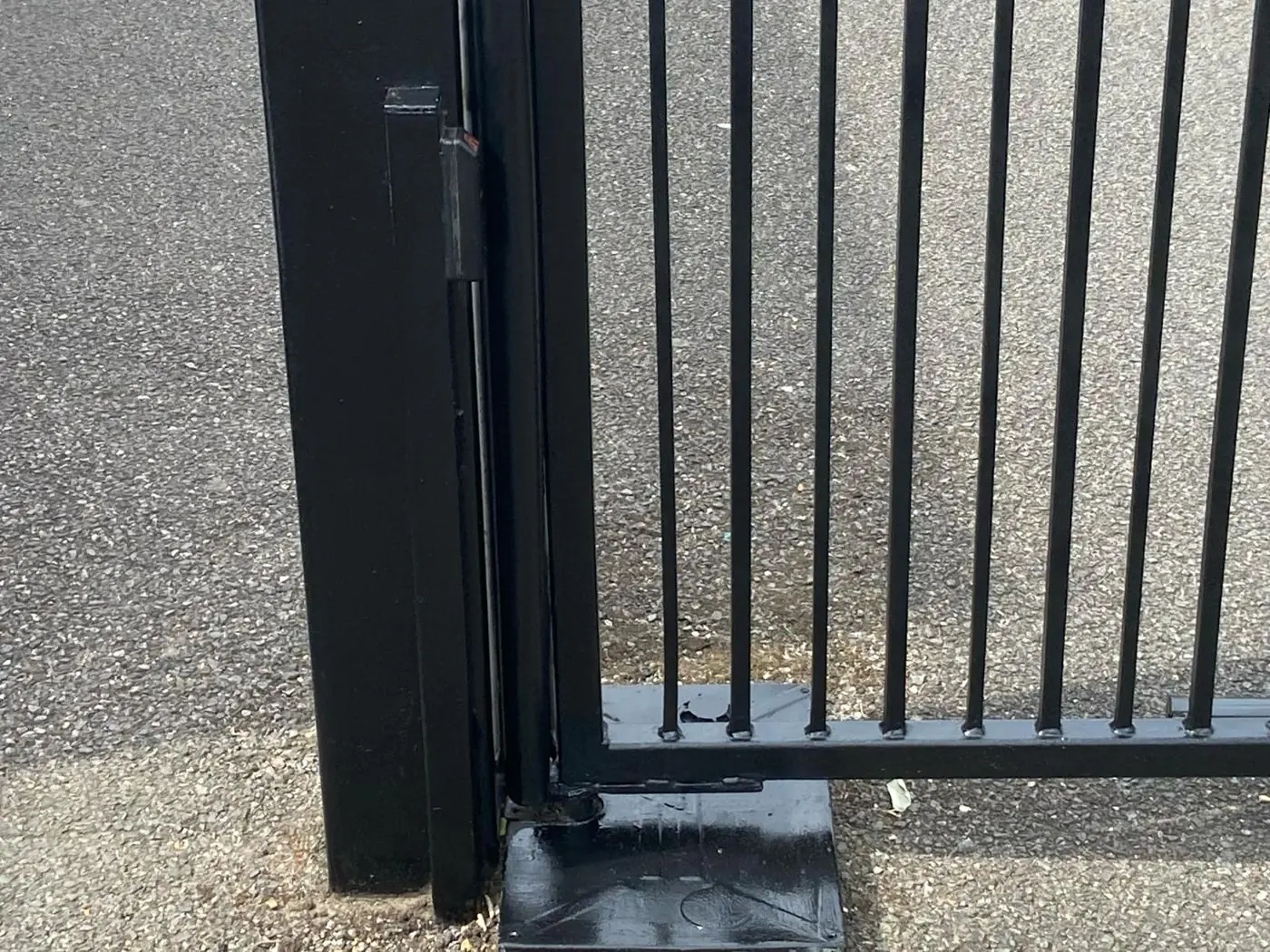
So the base of each upright and every fixing into masonry is checked first. Loose rust is picked out of the joint by hand, a rust treatment is worked in, and the metal is primed right down to where it enters the stone. If a fixing has already split a pier, that is pointed out as a job for a stonemason before painting, not hidden under a fresh coat. Rust treatment and paint also stay off the stone face itself, since iron oxide stains on limestone are very hard to remove.
What the work involves on an East Haddon gate
- Inspect the metal type, the number of old paint layers and the state of the fixings into stone.
- Mask the surrounding piers, walls and paving.
- Scrape and wire brush back to sound metal, with fine abrasives in scrolls and around finials on decorative ironwork.
- Treat remaining pitted rust, then prime bare areas with a metal primer suited to iron.
- Apply undercoat and top coat by brush, paying extra attention to bottom rails, hinge knuckles and the feet of railings.
Brushing rather than spraying keeps overspray off stone and planting, which matters in a village where so many gardens are well kept and so much masonry is bare.
Corrosion on an exposed ridge
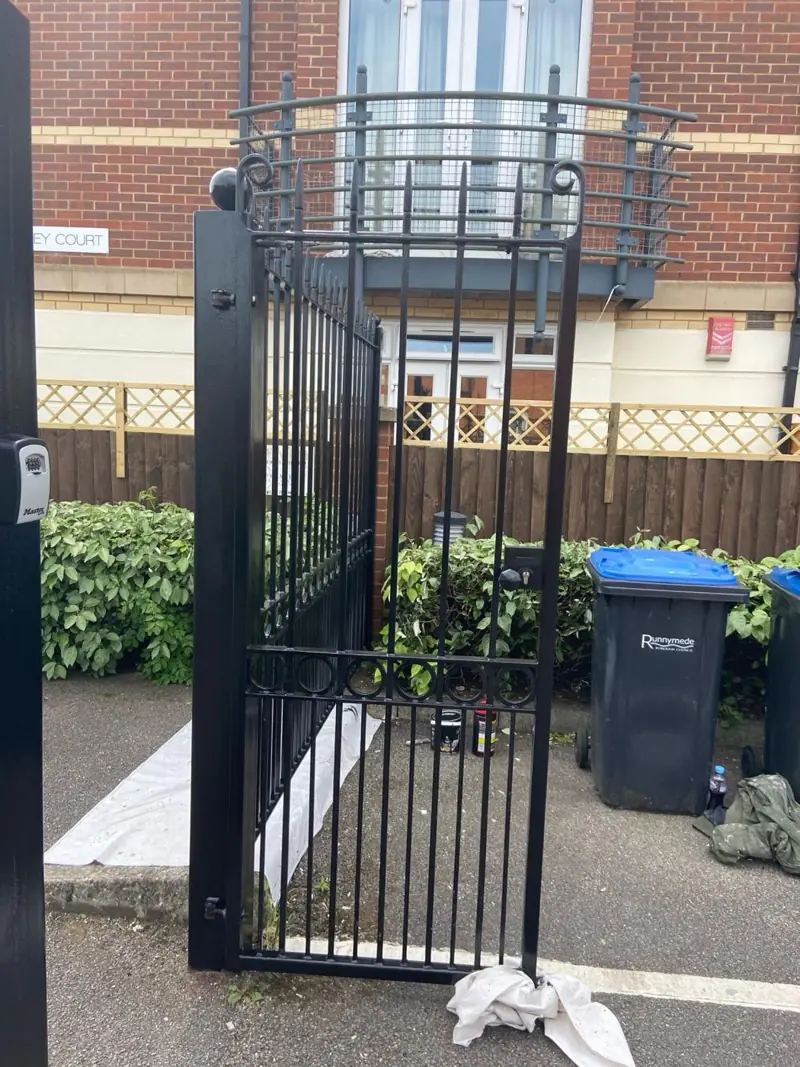
The parish lies in the Northamptonshire Uplands, between about 90 and 180 metres above sea level. Ironwork on open ground stays wet for longer after driving rain and dries in cold wind rather than warm sun, so rust comes back sooner at chips and joints than on a sheltered town street. A quick touch-up of any chips each year or two can add a good deal to the life of a full repaint.
Exterior metalwork should be painted in dry, mild weather, so we plan these jobs for settled spells. Before booking anyone for heritage ironwork, our guide on how to choose a painter and decorator lists sensible questions to ask. The main metal gate and railing painting page covers metal types and primers in more detail, and our East Haddon page lists everything else we cover in the village.
Last updated by Dean, DH Painter & Decorator.