Painter & decorator covering Northampton and surrounding areas

Decorative Finishes in Great Doddington

Limewash, heritage colour schemes and feature walls for Great Doddington's listed stone cottages, the older farmhouses and the converted farm barns.

  • Over 30 years experience
  • Free quotes & advice
  • Fully insured & trained
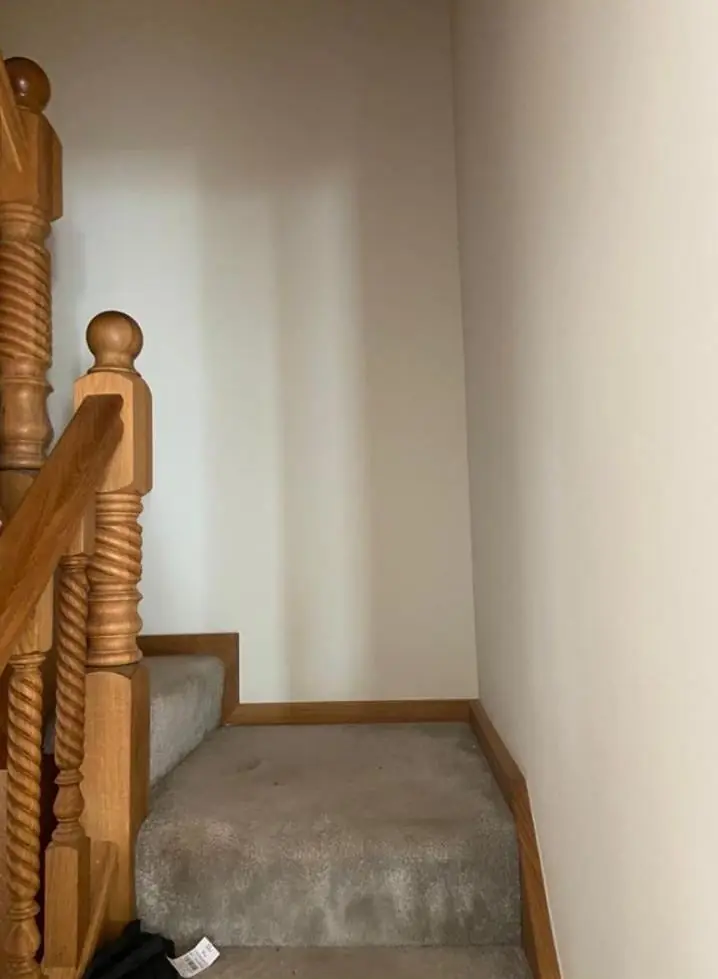
Staircase with oak barley-twist spindles and newel post, walls painted soft cream

Dean applies decorative finishes in Great Doddington, a conservation village about 8.3 miles east of Northampton. Here that mostly means traditional limewash and heritage paint schemes in the oldest cottages and farmhouses, and feature walls that work alongside the exposed stone in the converted barns.

Limewash belongs in the oldest houses

Great Doddington’s historic core includes cottages and farmhouses from the 16th and 17th centuries, built of limestone and likely plastered in lime inside. For walls like these, limewash is often the most suitable decorative finish. It is a traditional coating made from slaked lime, applied in several thin coats, and it soaks into a lime surface rather than sitting on top. The result is a soft, slightly uneven colour that varies with the light, and it lets the wall breathe, which matters in solid stone buildings with no cavity.

Limewash behaves very differently from emulsion. Coats go on thin and look almost transparent while wet, the colour only shows as it dries, and the wall is damped down between coats. It will not take over modern acrylic or vinyl paint, so if a cottage wall has been emulsioned at some point, that layer has to come off first or a breathable mineral paint used instead. Dean checks what is on the wall before suggesting either.

Heritage schemes for listed rooms
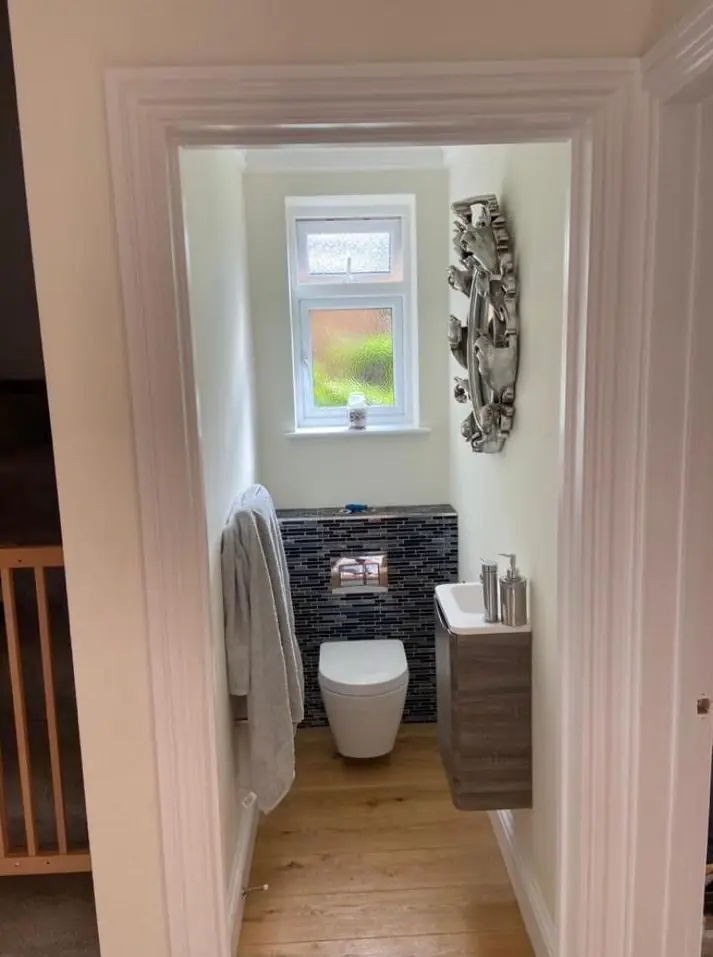
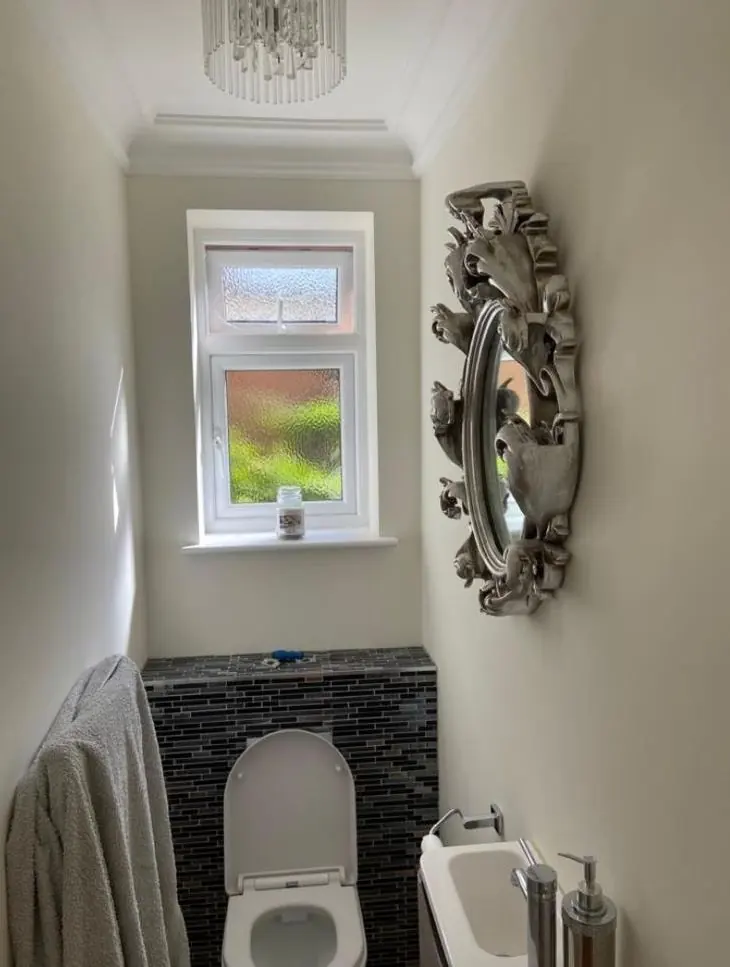
Cloakroom WC seen through a white-painted architrave, cream walls and gloss woodwork finished

The village has a Grade I house in the Old Vicarage and a number of listed cottages and farmhouses, such as 36 and 47 High Street, alongside older houses of note like the thatched pair at 24 and 26. Inside rooms of this kind, decorative work tends to mean restraint: a historically suitable colour scheme in matt or distemper-type finishes, timber picked out in a traditional oil-based paint, and nothing that hides original features. Where a scheme would change historic fabric, for example by painting timber that has always been bare, listed building consent may be needed. Like-for-like is the safe path, and anything beyond that is worth raising with North Northamptonshire Council first.

  • Limewash or clay paint on lime-plastered walls.
  • Soft, earth-pigment colours that suit low-ceilinged rooms and small windows.
  • Painted plank doors and window boards in an eggshell or oil finish, kept in proportion to the room.

Feature walls next to exposed stone and beams

The converted barns at Top Farm, Glebe Farm and Grove Farm are a different brief. The appraisal records that barns at The Farm and Top Farm include red brick as well as stone, and inside the conversions large stretches of stone or brick and old beams are usually left exposed. That bare masonry is itself the main feature, so the decorative work goes on the plastered walls around it. A single deep-toned wall opposite a stone gable, a colour-drenched snug or a two-tone split at beam height can give a big open-plan space some structure.

The detail that matters most here is the edge. Where plaster meets uneven stone, the paint line has to be cut by hand to follow the stone, and any spatter on porous limestone or brick is very hard to remove. Exposed brick and stone are left unpainted.

When a plain finish is the better answer
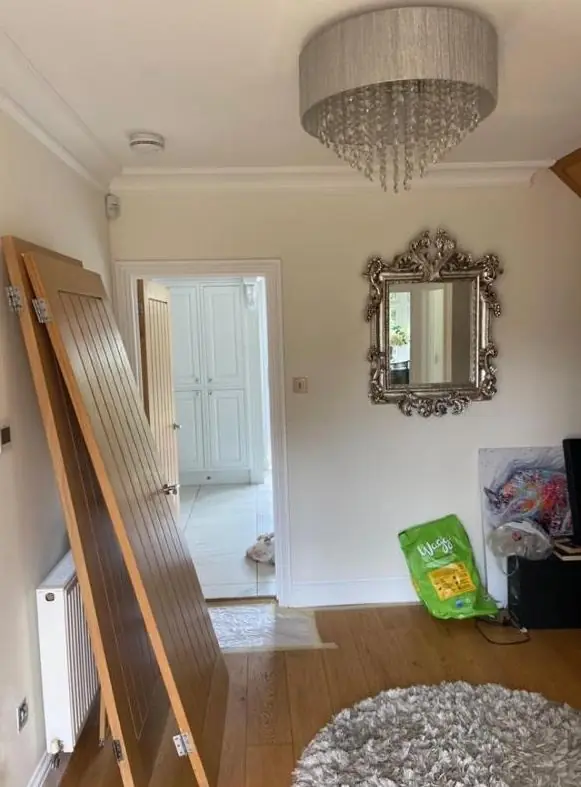
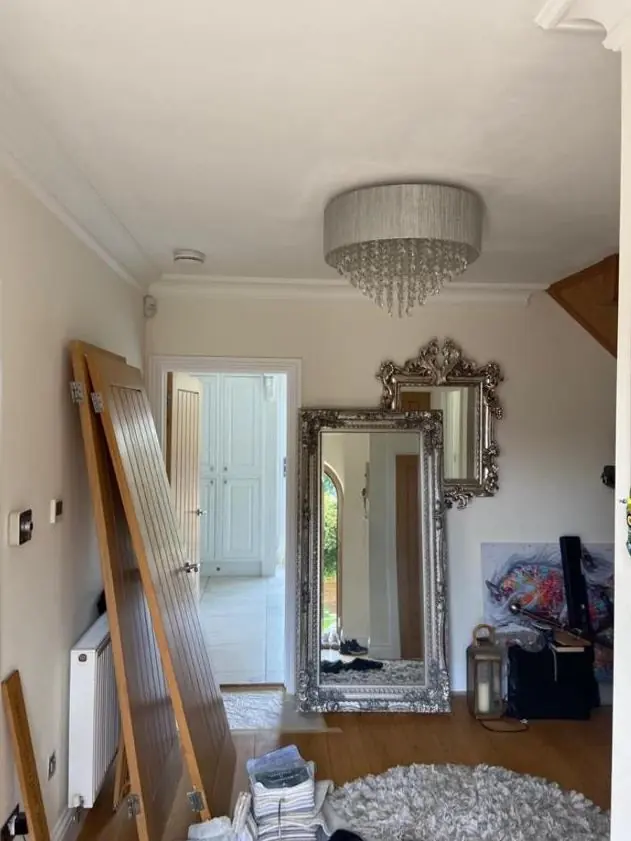
Hallway with crystal chandelier and cream walls, new oak doors waiting to be hung

Not every room in the village needs an effect. In the 1960s/70s bungalows on the High Street and the newer houses at St Nicholas Court, a feature wall, painted panelling or a crisp two-tone scheme gives more value than a heritage finish, and the flat modern walls take it well. Faux effects such as colour washing or ragging can work in any of these houses, but they look most at home in a room that already has some character. Our main decorative finishes page describes the full range, and the cost guide explains what affects the price of specialist work.

Great Doddington is 8.3 miles east of our Northampton base. For the village’s other property types and the services that suit them, see the Great Doddington page.

Last updated by Dean, DH Painter & Decorator.
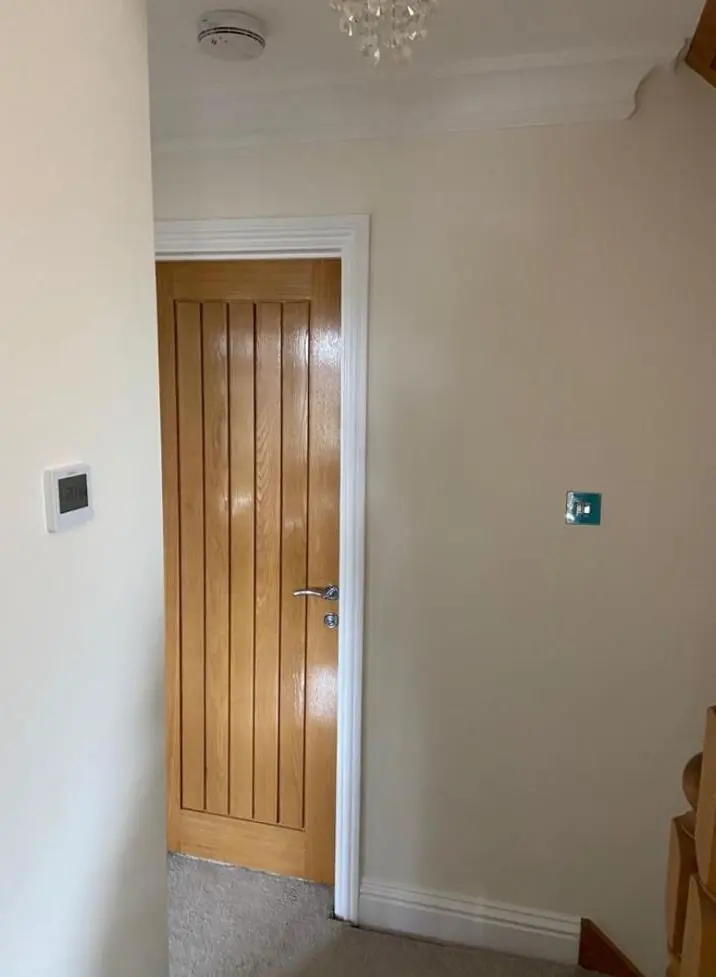
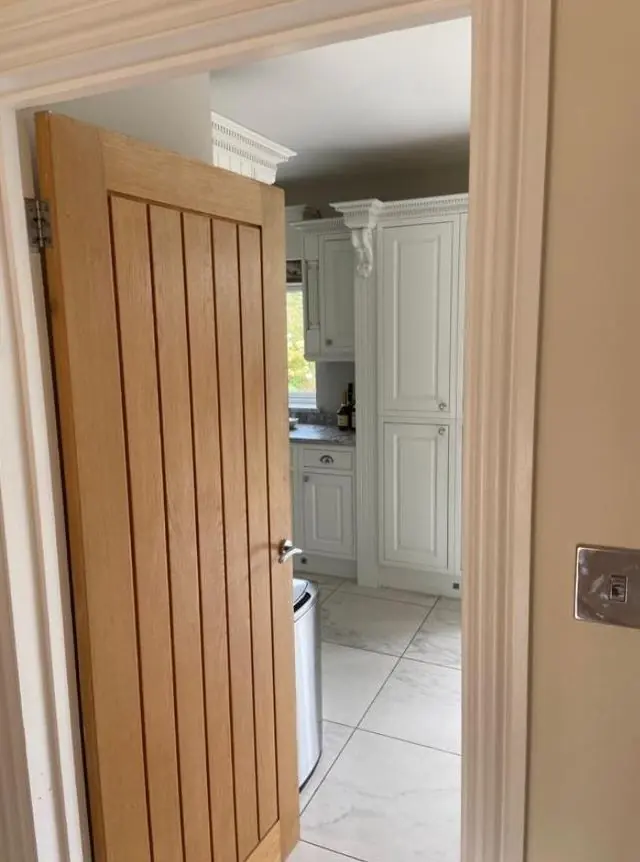
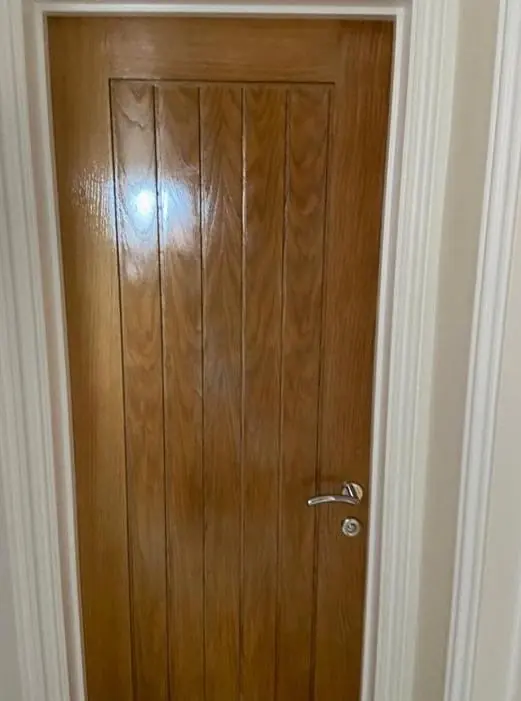
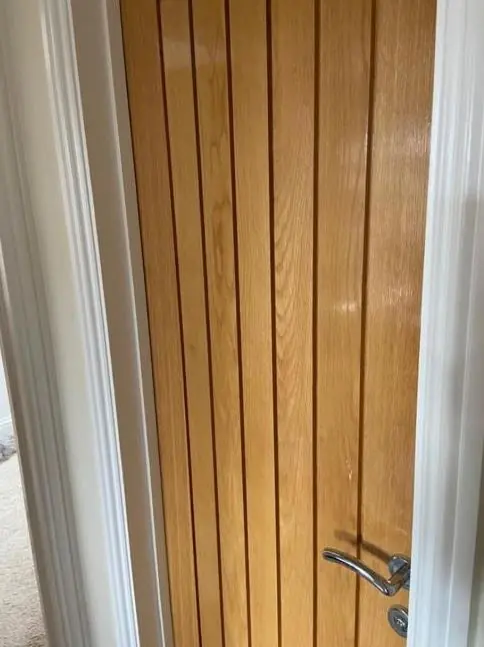
Landing wall painted warm cream around an oak door with white gloss architrave Cloakroom with cream walls, white coving and window frame painted, ornate mirror hung Hallway with chandelier and ornate mirrors, cream walls painted and oak doors propped ready Oak door opening onto a kitchen, with off-white walls and freshly glossed frame Oak cottage-style door varnished to a high-gloss sheen within a white painted frame Close-up of an oak door with a lacquered finish beside white gloss architrave

Decorative finishes in Great Doddington: your questions answered

Can't see your question? Call us on 07539 779 036 and we'll happily talk it through.

Can limewash go over the painted walls in my Great Doddington cottage?

Not directly over modern emulsion. Limewash needs to soak into a porous lime surface, and it will flake off acrylic or vinyl paint. If an old cottage wall has been emulsioned, the paint can be removed back to the lime plaster, or a breathable mineral paint can be used instead. Dean tests the existing coating before recommending either route.

What decorative finishes suit a converted barn at Top Farm or Grove Farm?

In the barn conversions, the exposed stone, red brick and beams already do most of the decorative work. Painted finishes usually go on the plastered walls around them: a deep-toned feature wall, a colour-drenched snug or a two-tone split at beam height. The bare masonry itself is left unpainted and protected during the work.

Is a heritage paint scheme allowed in a listed house in the village?

Traditional colours and finishes that repeat what is already there are normally fine. Where a scheme would alter historic fabric, for example painting bare timber or removing old finishes, listed building consent may be needed. With the Grade I Old Vicarage and several listed cottages in the village, it is worth checking with North Northamptonshire Council first.

How long does limewash take to apply in an old stone room?

Longer than ordinary paint. Limewash goes on in several thin coats, the wall is dampened between them, and each coat needs time to carbonate and dry slowly, so a room spreads over several days. The colour also lightens a lot as it dries. In the older cottages it is the finish that most suits lime plaster.

What customers say about Dean

Most of our work comes from recommendations and returning customers. These are real reviews from customers after the job was finished, in their own words.

More customer reviews

After completing my gates I was then assured Dean was more than competent to repaint the inside of my property from top to bottom. It’s a large 4 bedroom house and was done to a very high standard. Once again I would highly recommend him.

Customer review Gates, then a full four-bedroom interior

I contacted Dean to get the outside of the house painted; the house is all roughcast render. He has done a fantastic job; the house is looking brand new. The same he did for our garage, painted our bedrooms x2, did extra jobs for us like skirtings and door frames, and painted even our gates. I could not recommend him enough; he is attentive, smiling, always on time, and nothing too much; I am so happy with what Dean has done; he went above and beyond. I have recommended him to all my friends and family.

Read full review
Customer review Roughcast render, garage, bedrooms and gates

Dean did a great job for a good price i'd be very happy to recommend him always on time polite and friendly.

Customer review Painting and decorating

Start your project

Get a free painting and decorating quote

Tell us a little about the job and we'll arrange a visit to look at it properly. Quotes and advice are always free, with no obligation.

What happens next

  1. We get back to you to arrange a convenient time to visit.
  2. Free visit. We look at the job and talk through colours, finishes and any repairs.
  3. Written quote. A clear price covering preparation, materials and the finish we agreed.

Request a free quote

Please enter your name.

Please check your email address.

Please enter a valid phone number.

Prefer to talk? Call 07539 779 036.

Call 07539 779 036Call nowFree quote