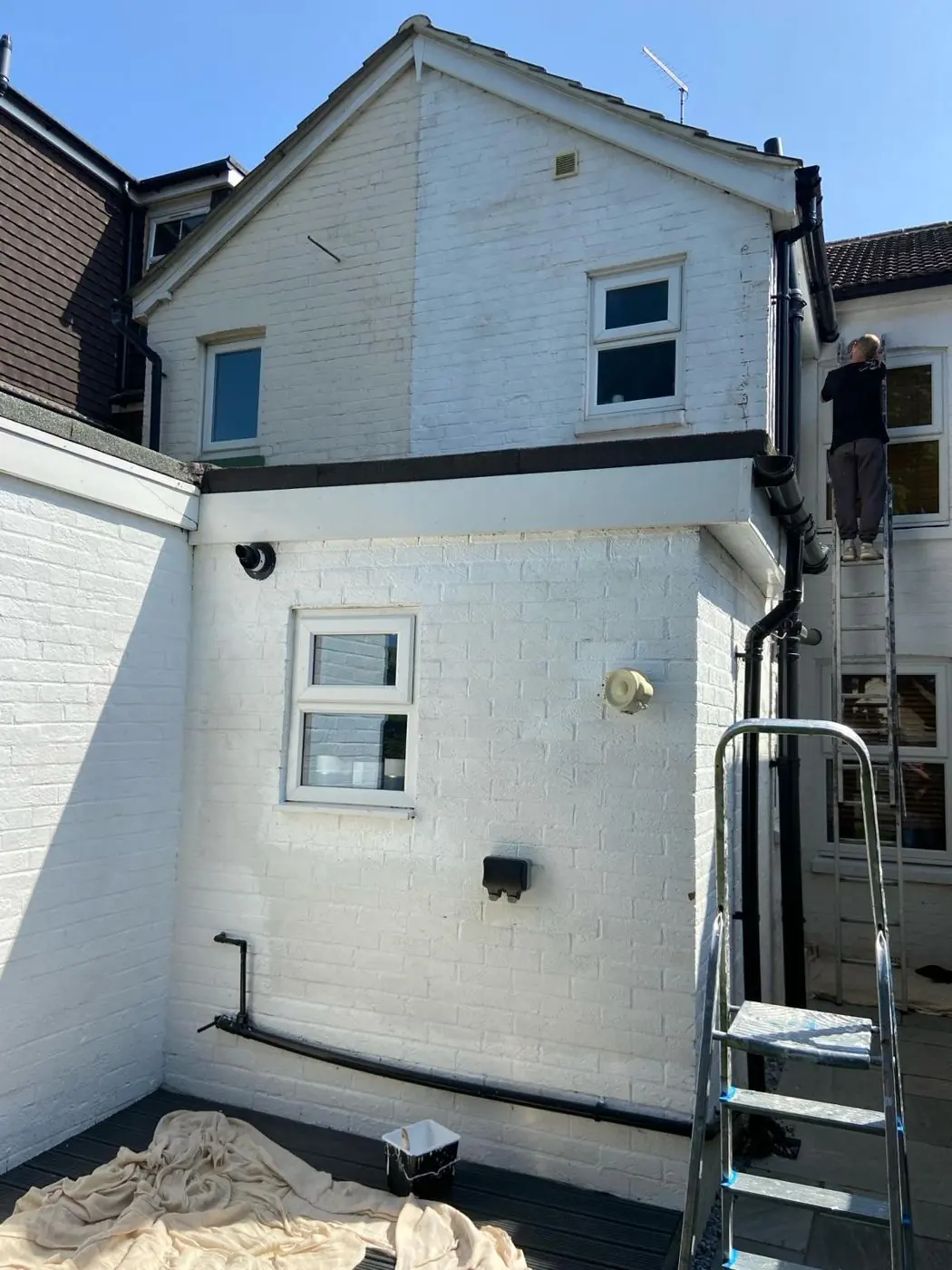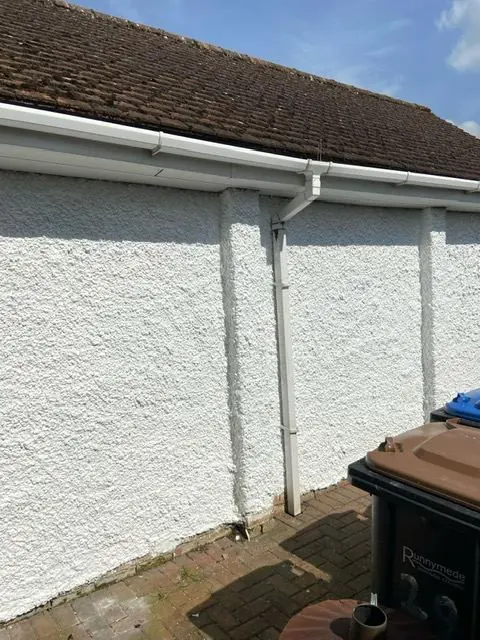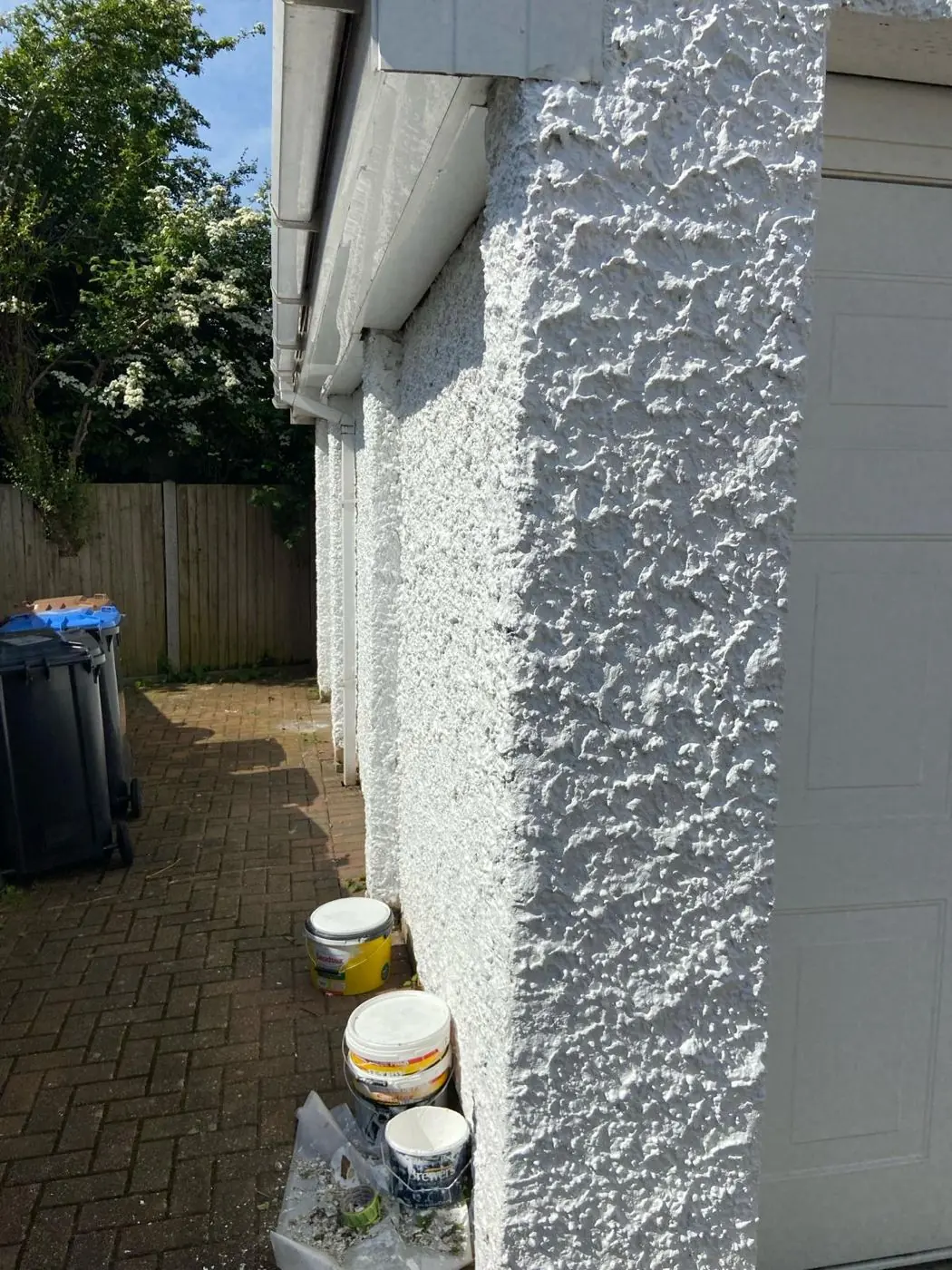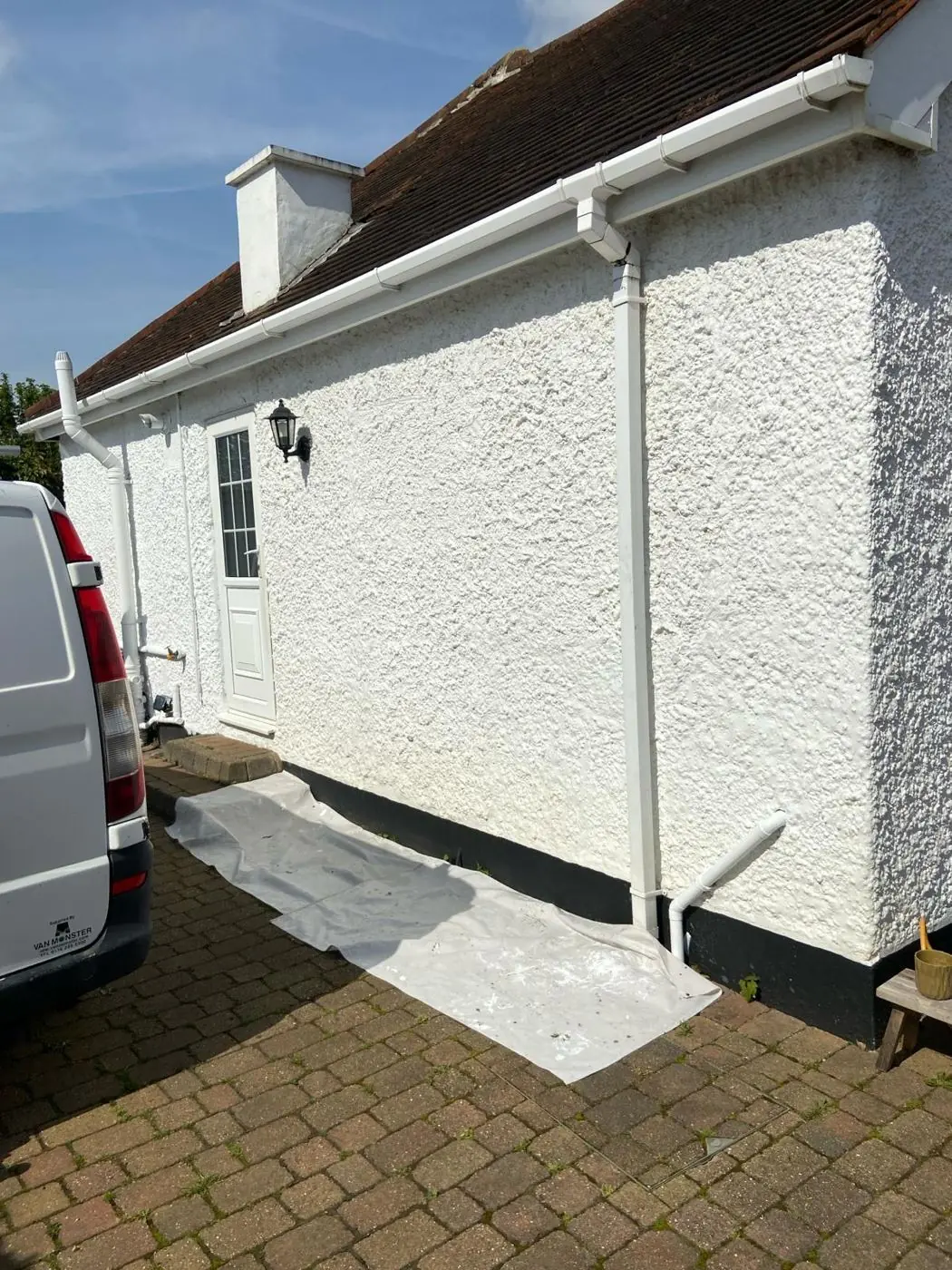
DH Painter & Decorator covers Great Houghton from our Northampton base, about 2.7 miles south-east of the town centre in NN4. Dean plans each job around the house: breathable materials and consent checks for the listed stone buildings in the conservation area, and durable systems for the estate homes exposed on the hilltop.
A hilltop village on the edge of Northampton
Great Houghton is a village and civil parish on the south-eastern edge of Northampton, in the NN4 postcode district and West Northamptonshire Council’s area. It rises from the A428 Bedford Road at about 200 ft to 326 ft above sea level and forms part of the skyline when you look across from the town. It had 651 residents at the 2021 census. Fields and woodland surround it, and Brackmills Woods screen the industrial estate to the west.
We cover the village from our Northampton base, about 2.7 miles away. Dean visits to look at the work, talks through what it needs, and then sends a written quote. The village has two quite different sides for a decorator, divided almost literally by the deep cutting of the former Northampton to Bedford branch railway.
The conservation area: stone, slate and one thatched roof
North of the cutting is the Great Houghton Conservation Area, designated in 1976 and covering 12.2 hectares of the old core. Settlement grew here from around 1600 around the manor house, the church and the Bedford road. The houses on High Street, The Green, The Cross, Willow Lane and Cherry Tree Lane are mostly 17th-century coursed rubble and ashlar, coursed limestone with ironstone bands, and ironstone quoins, under Welsh slate. Windows are flush timber casements, leaded stone-mullioned casements and sashes. Stone walls line at least one side of every road.
That fabric sets the rules for painting:
- Bare stone stays bare. Rubble, limestone and ironstone walls should not be sealed with acrylic masonry paint, which traps moisture and speeds decay. Where an old wall already carries paint, any recoat should be breathable and lime-compatible.
- Joinery is kept, not replaced. Neighbourhood Plan policy GHNDP2 expects original windows, doors and stone walls to be retained, so a lot of exterior work here is repairing and repainting old casements, sashes and doors in matching colours.
- Listed buildings need a consent check. The parish has 17 list entries, including the Grade II* Church of St Mary, Great Houghton House and The Manor House. Changing external colours or finishes on any of them needs listed building consent.
- Thatch means no flame. The Manor House at 1 Willow Lane, dated 1672, is thatched. Near thatch we never use heat guns or blowtorches; old paint comes off by scraping, careful sanding and chemical strippers.
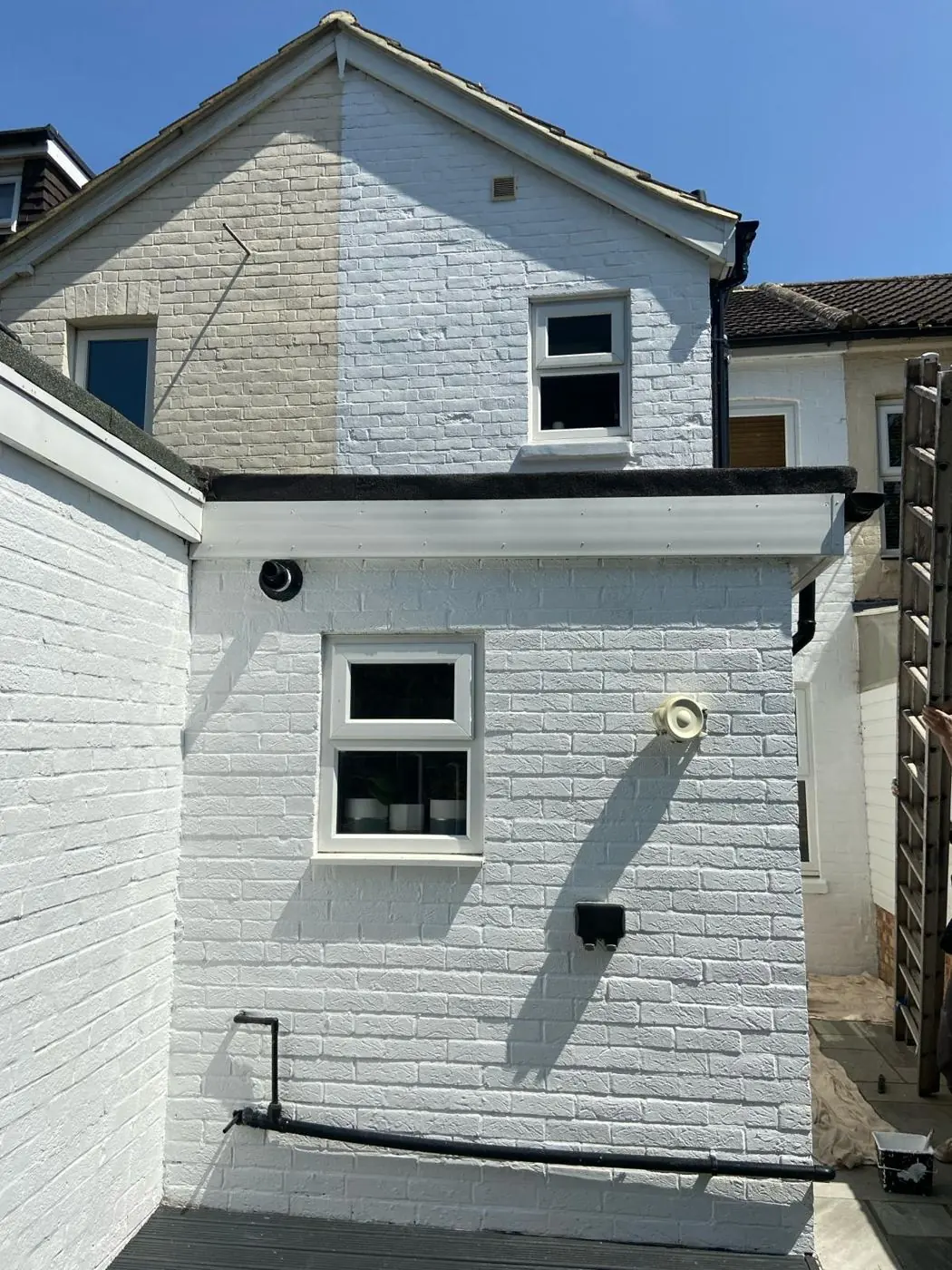
Leaded mullioned casements are cut in and masked by hand rather than sprayed. Great Houghton Hall’s stucco over brick and stone is a traditional render, so cracks are repaired with compatible fillers before any coating. The old red-brick infill between High Street and Willow Lane is normally left as bare brick. Our door and woodwork painting page covers the joinery side in more detail.
Weather on the hill and shade under the trees
Two things about the setting affect every exterior job. The first is exposure. At up to 326 ft on an open hillside, south- and west-facing windows, doors and fascias take the wind and rain and wear faster than the same timber in a sheltered valley. Good preparation and a durable gloss or microporous system make the difference between a finish that lasts and one that needs redoing early.
The second is shade. The conservation area has many groups of mature trees, which drop leaves and sap and keep some walls and sills damp and green. Those surfaces need a mould and algae wash and a dry spell before paint goes on. Residents also report frosty winters with some snow, so exterior work suits the drier months; our guide on when to paint outside explains why temperature and dew matter.
Estate homes south of the cutting
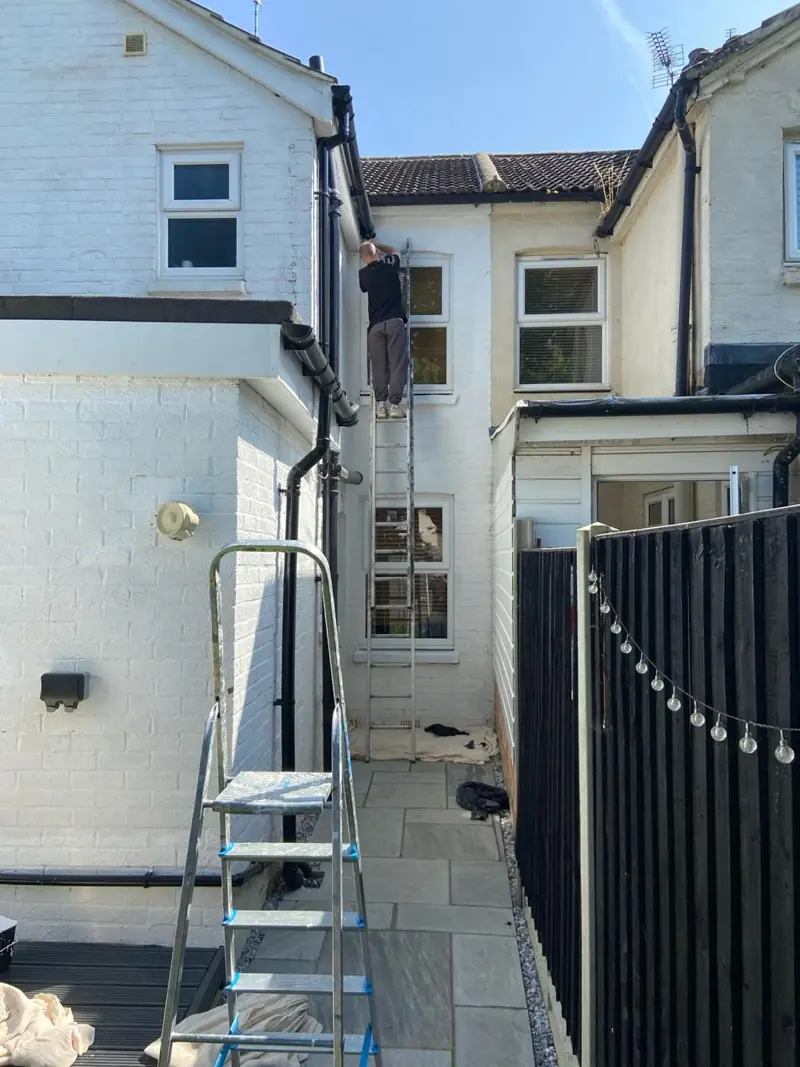
South of the old railway, the village is newer. A limited amount of housing went up on former farmland in the 1960s and 1970s, including set-back cottages that were originally council housing, and a larger estate followed in the 1980s, stopping at Leys Lane. Later groups of houses and closes such as Rectory Close and Lime Farm Way extended the east side.
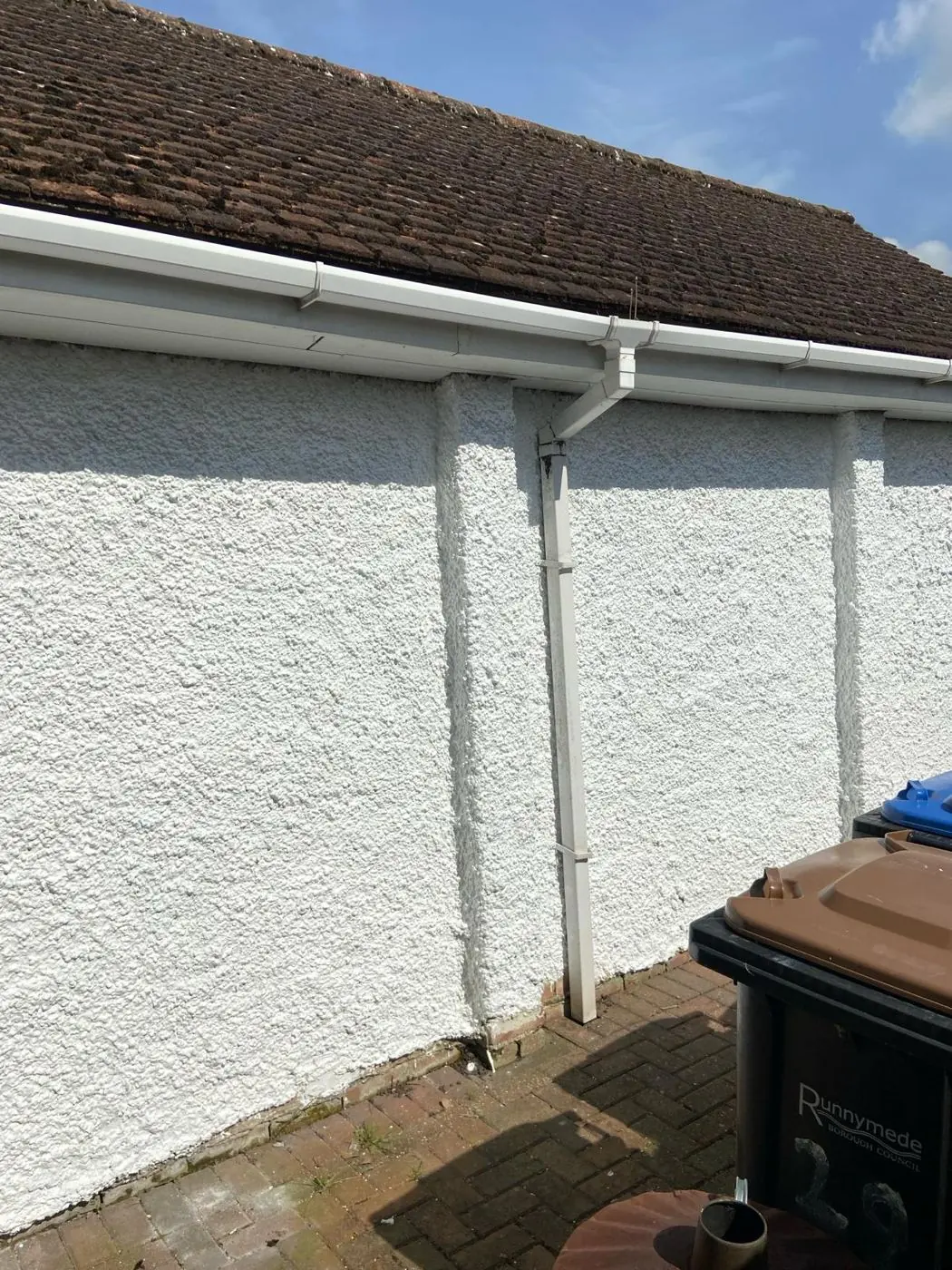
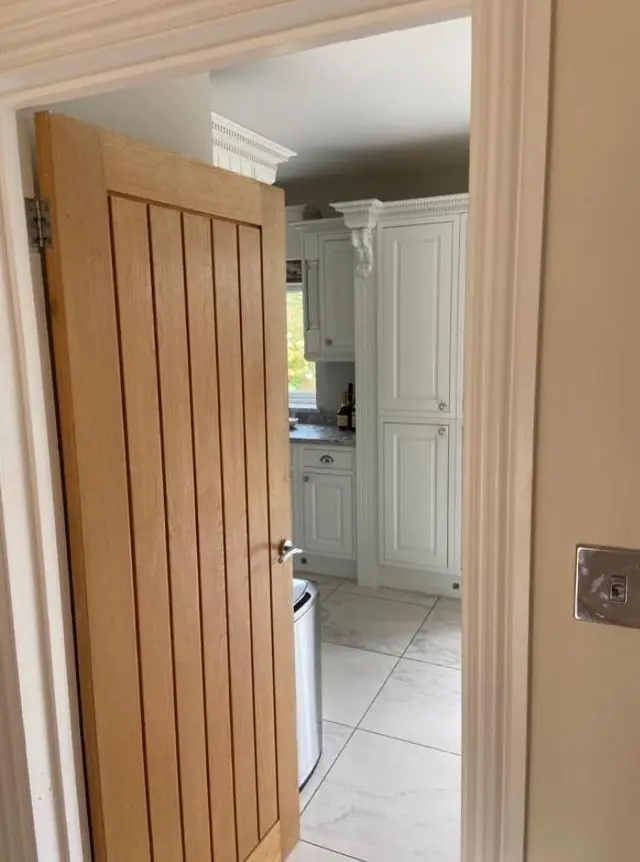
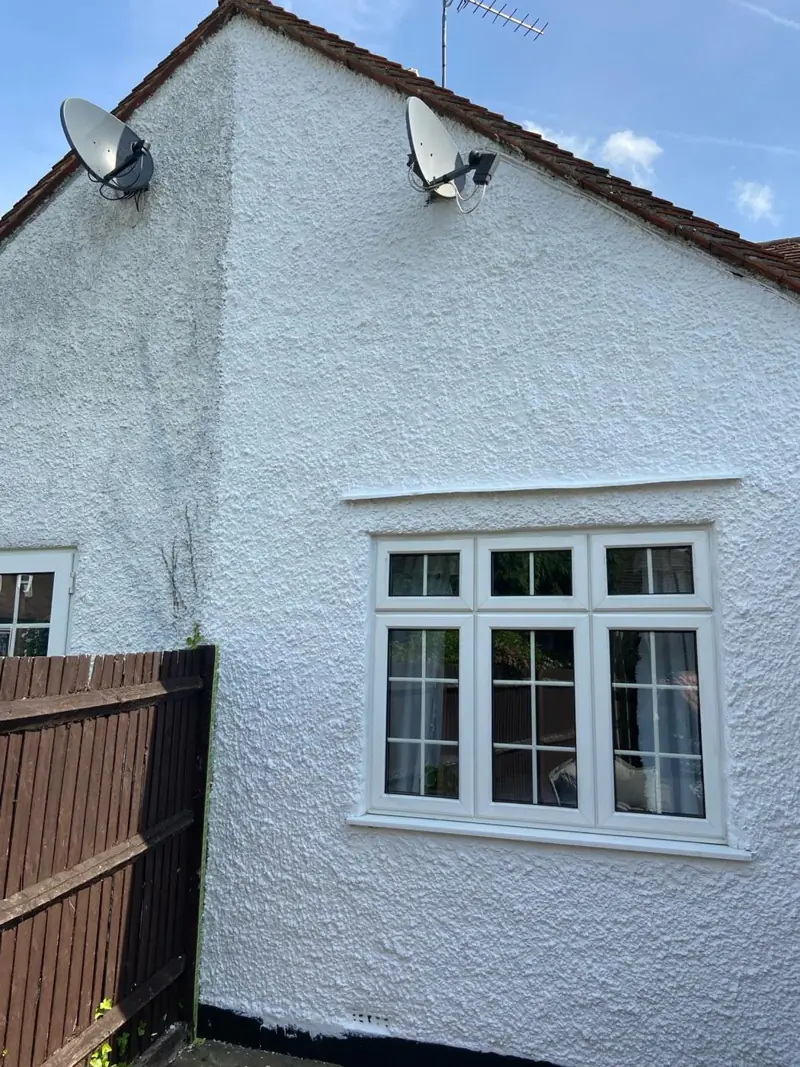
These are outside the conservation area and suit standard work. Timber fascias and soffits on the hilltop take a beating and are a common job; see our fascia and soffit painting page. Garden fences on the open hillside weather quickly and need regular staining. Inside, the plasterboard and gypsum plaster walls take ordinary emulsions well, and new extensions bring fresh plaster that needs a mist coat before the finishing coats. Our interior painting service covers rooms in both halves of the village.
The inns, the hall and the church
Great Houghton has no shops; the old village shop no longer trades. Its commercial and community buildings are the two Grade II listed inns, The White Hart on High Street, opened in 1715 according to the parish, and The Old Cherry Tree at The Cross, from 1695, along with the John Parsons Memorial Hall on Leys Lane and the church. Work on the inns means heritage-appropriate colours and a consent check, and it needs planning around opening hours. Our commercial painting page explains how we schedule work on premises that stay open.
Getting a job done on narrow roads
Access is the practical side of working here. High Street is narrow and used as a rat run between Newport Pagnell Road and Bedford Road, with HGVs that sometimes get stuck and parked cars that residents already find a problem. At The Cross there are no footpaths. The climb from Bedford Road to the top of the village is three quarters of a mile uphill, and entry from the south is via a sharp bend.
So before a job in the core starts, we agree where the van can stop without blocking the road, where ladders can stand without pushing pedestrians into traffic, and how the stone boundary walls and copings will be protected from drips and ladder feet. On estate jobs south of the cutting, a house with off-road space makes the van and ladders simpler to place. For a rough idea of budgets before Dean visits, see our painter and decorator cost guide. To arrange a visit, call 07539 779 036.
Last updated by Dean, DH Painter & Decorator.