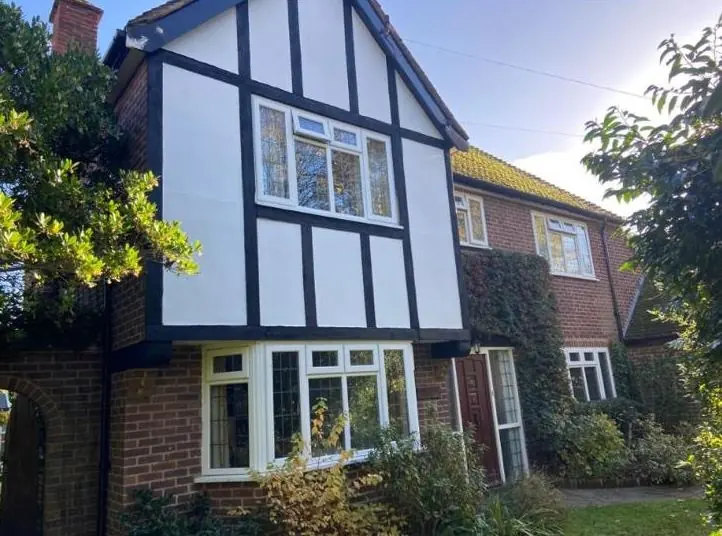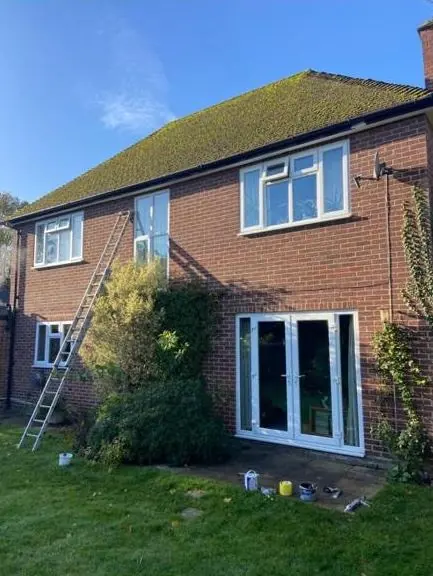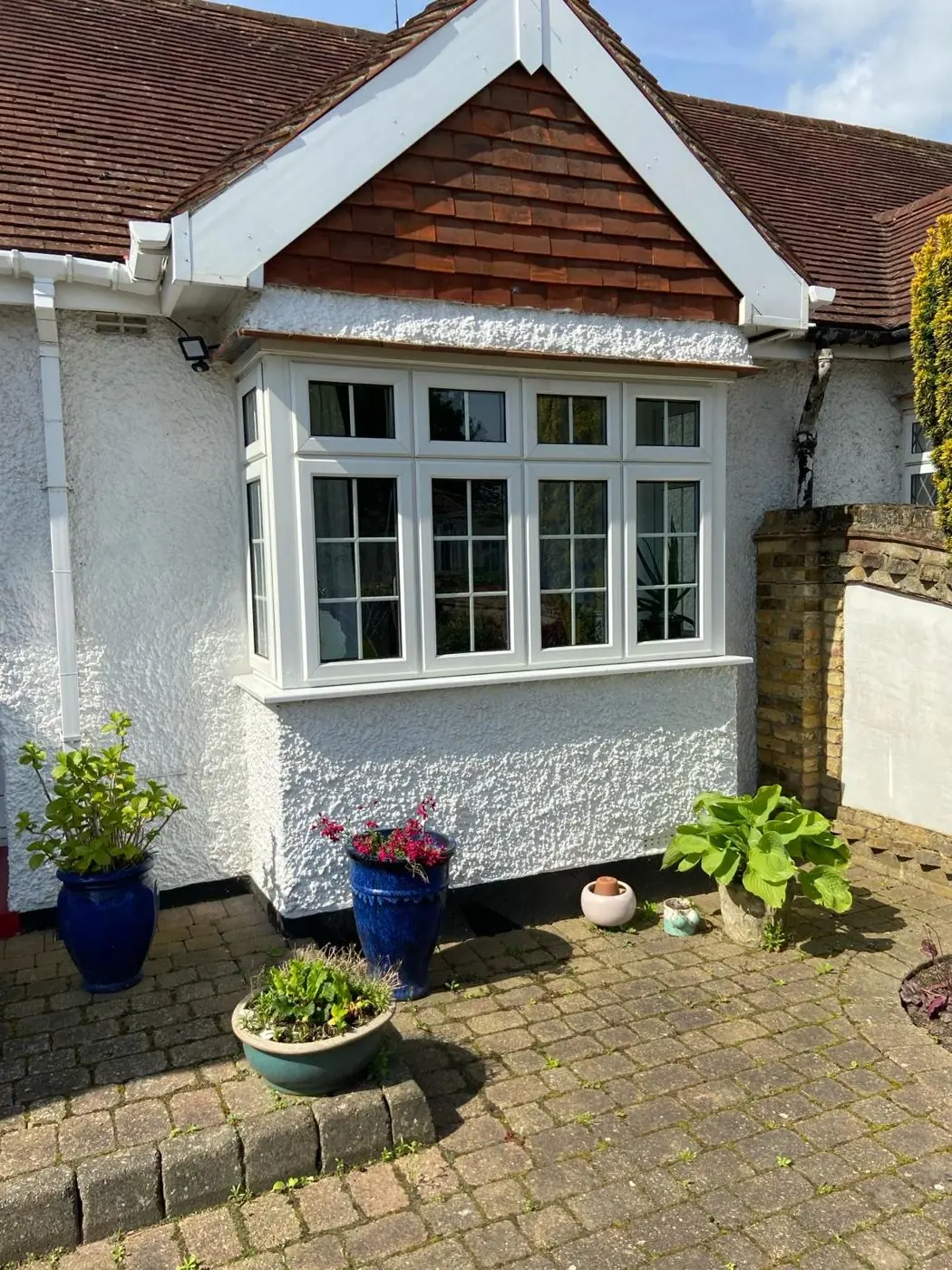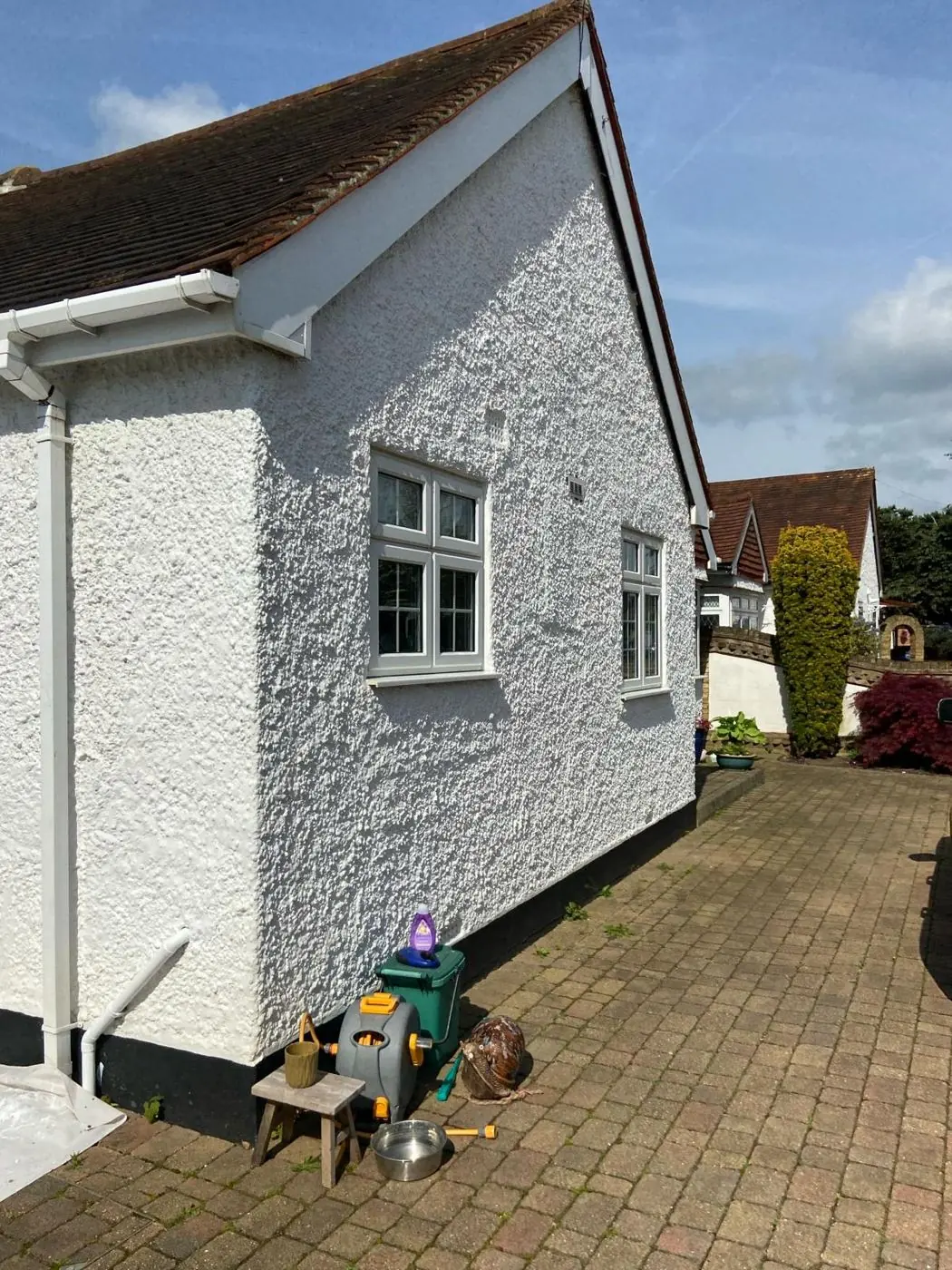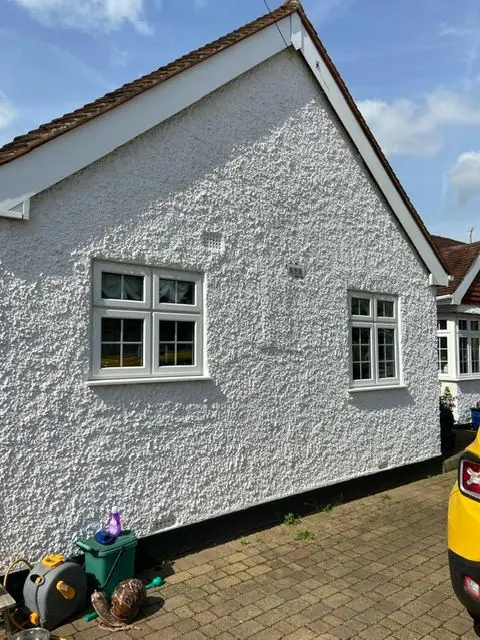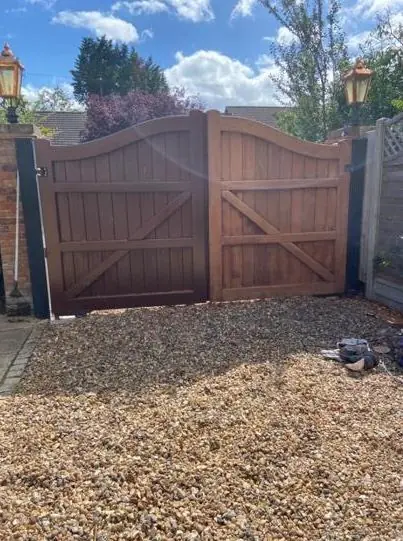
DH Painter & Decorator covers Guilsborough, the NN6 village about 9.3 miles north-west of Northampton town centre. Dean has over 30 years in the trade and decorates the village's listed lias and brick houses, its cottages and its later homes, inside and out.
Guilsborough from a decorator’s point of view
Guilsborough sits in open farmland between Northampton, Daventry, Rugby and Market Harborough, and it grew from two hamlets, Guilsborough and Nortoft, that have since joined up. The 2011 Census counted 692 people in the parish. For a village of that size it has an unusual number of listed buildings: twelve, ranging from St Etheldreda’s Church on Coton Road, with its limestone broach spire dated 1618, to Holly Cottage at Nortoft and the village war memorial.
That shapes almost every decorating job in the old part of the village. A house built in lias in the 1600s, a brick house from the 1700s and a home at Church Mount from the last century each need different paints, different preparation and a different view on what should be painted at all. We cover Guilsborough from our Northampton base, about 9.3 miles away along country roads such as West Haddon Road, Cold Ashby Road and Coton Road.
The 17th-century lias houses
The oldest houses on and near the High Street are built in lias, a grey-to-buff stone laid in squared courses or as smooth ashlar. Guilsborough House dates from about 1632, with 18th- and 19th-century additions. Rose Manor has a datestone of about 1686, Manor House Farm is late 17th century, and the Old Grammar School, founded about 1688 by John Langham of Cottesbrooke, was remodelled into five homes in the 20th century.
For decorating, these houses have three things in common:
- The stone stays bare. Good lias was never meant to be painted. Painting on the outside is mostly joinery: sashes, casements, doors and eaves.
- Walls need to breathe. Solid stone walls with lime plaster inside need breathable mineral, clay or distemper finishes, not vinyl emulsion, which traps moisture and flakes.
- Windows take time. Sash windows with glazing bars, wood-mullion casements at Rose Manor and stone mullion-and-transom windows at the Old Grammar School all need careful preparation and fine cutting in.
Our interior painting service explains how we approach rooms in general; in these houses the main extra step is matching each wall with the right breathable system.
Brick houses and the cob cottage at Nortoft
The 18th century brought brick to the High Street. The Glebe House is mid-18th-century chequered brick with leaded casements. The Sun, once a public house, is late 18th-century brick, and the Red House on The Green is early 19th-century brick with sashes and a canted bay. Gauged brick arches over the windows are a feature of several of them.
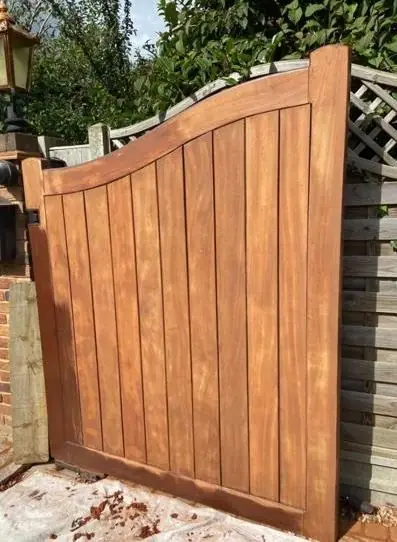
As with the lias, the brick should stay bare, so exterior work centres on joinery, doors and railings. Leaded lights with original glass, at the Glebe House, the Sun and Rose Manor, need masking and hand scraping. Heat guns stay well away from old glass. Most of this work falls under our woodwork and door painting and exterior painting services.
Holly Cottage at Nortoft is different again: ironstone rubble below, rendered cob above. Cob has to stay vapour-open, so it takes limewash or a lime-compatible mineral paint. Acrylic masonry paint would seal moisture into it. Our render and masonry painting page covers how we choose coatings for walls like this.
Larger Georgian houses, deep eaves and tall windows
A handful of larger houses date from the late 18th and early 19th centuries. Nortoft House is coursed lias with stone cornices, tripartite sashes and a Gothick dormer. The Old Manse on the High Street is brick with a hipped slate roof and a deep eaves soffit. These bring high-level work: the Old Manse’s soffit and similar timber eaves need proper access equipment and repainting on a regular cycle before the timber starts to decay. Tall sash windows here usually suit linseed or oil-based paint systems, which move with old timber better than many modern coatings.
Church Mount and later homes
Guilsborough Hall once stood where the Church Mount housing is today; its brick water tower and gates survive in Guilsborough Park. The houses on the old Hall site are much later than the historic core. They take standard modern emulsion, satinwood and gloss systems, walls are generally flatter, and there is far more freedom over colour. Decorating here is usually the everyday work of a family home: lounges, bedrooms, hallways, stairs, and the outside woodwork every few years.
Listed building consent and shared frontages
With twelve listed buildings, many High Street jobs come with a question about consent. Repainting like for like is generally maintenance. Changing exterior colours, altering historic joinery, stripping original finishes or coating stone or brick that has always been bare may need listed building consent from West Northamptonshire Council, and it is worth checking before work is booked.
The Old Grammar School shows a particular case: five separate homes behind one listed frontage. Exterior colours there need to stay consistent across all five owners, so a shared decision on window colour is usually the sensible route. Our colour advice covers how to choose shades that sit well against lias and brick.
The schools, shops and surgery
Guilsborough has more commercial and institutional buildings than its size suggests. Guilsborough Academy on West Haddon Road has more than 1,300 pupils on a 28-acre site, with many buildings from 1959 and the 1970s and a sixth-form centre added in 2004. There is also the CE primary school, a village shop with Post Office, a pub, a hairdresser and a doctor’s surgery with pharmacy.
School decorating should be planned for the school holidays, and older painted metal and timber on the 1959 and 1970s buildings is likely to need specialist primers. The shop, pub, hairdresser and surgery need work arranged around their opening hours. Our commercial painting page explains how we plan work around a business that stays open.
Practical points for working in the village
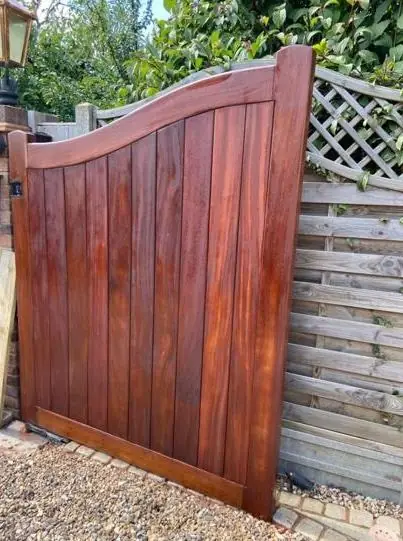
Older High Street houses front straight onto the road, which affects where ladders and towers can go and where the van can park. We agree this before the start date. Gardens on the farmland edge of the village, out towards Nortoft and along the lanes, face open countryside and take the weather head on, so fences, gates and joinery on those sides tend to need attention sooner than in the more enclosed High Street gardens. For a guide to what decorating costs, see our painter and decorator cost guide. Quotes are free and given in writing after Dean has seen the job.
Last updated by Dean, DH Painter & Decorator.