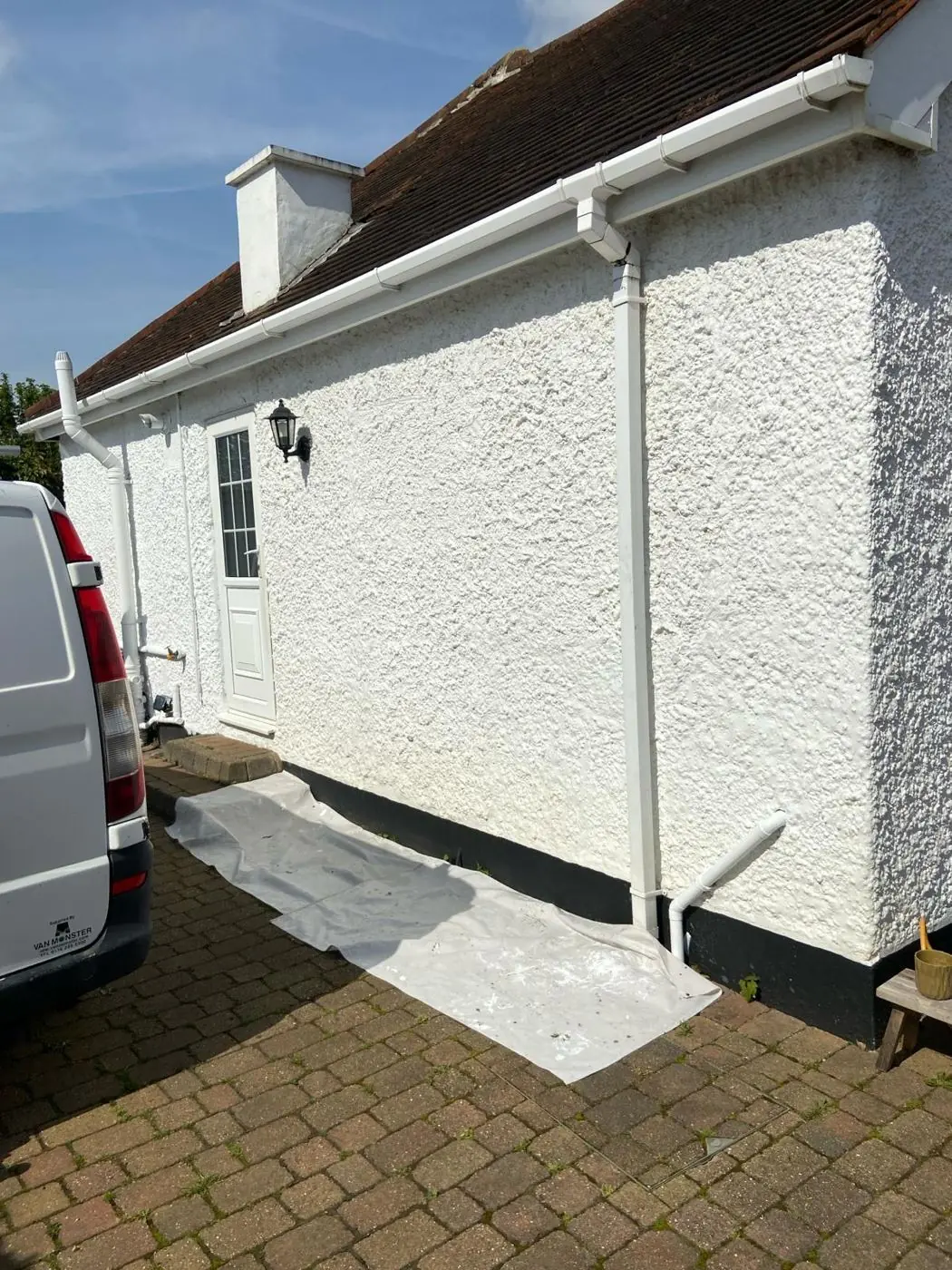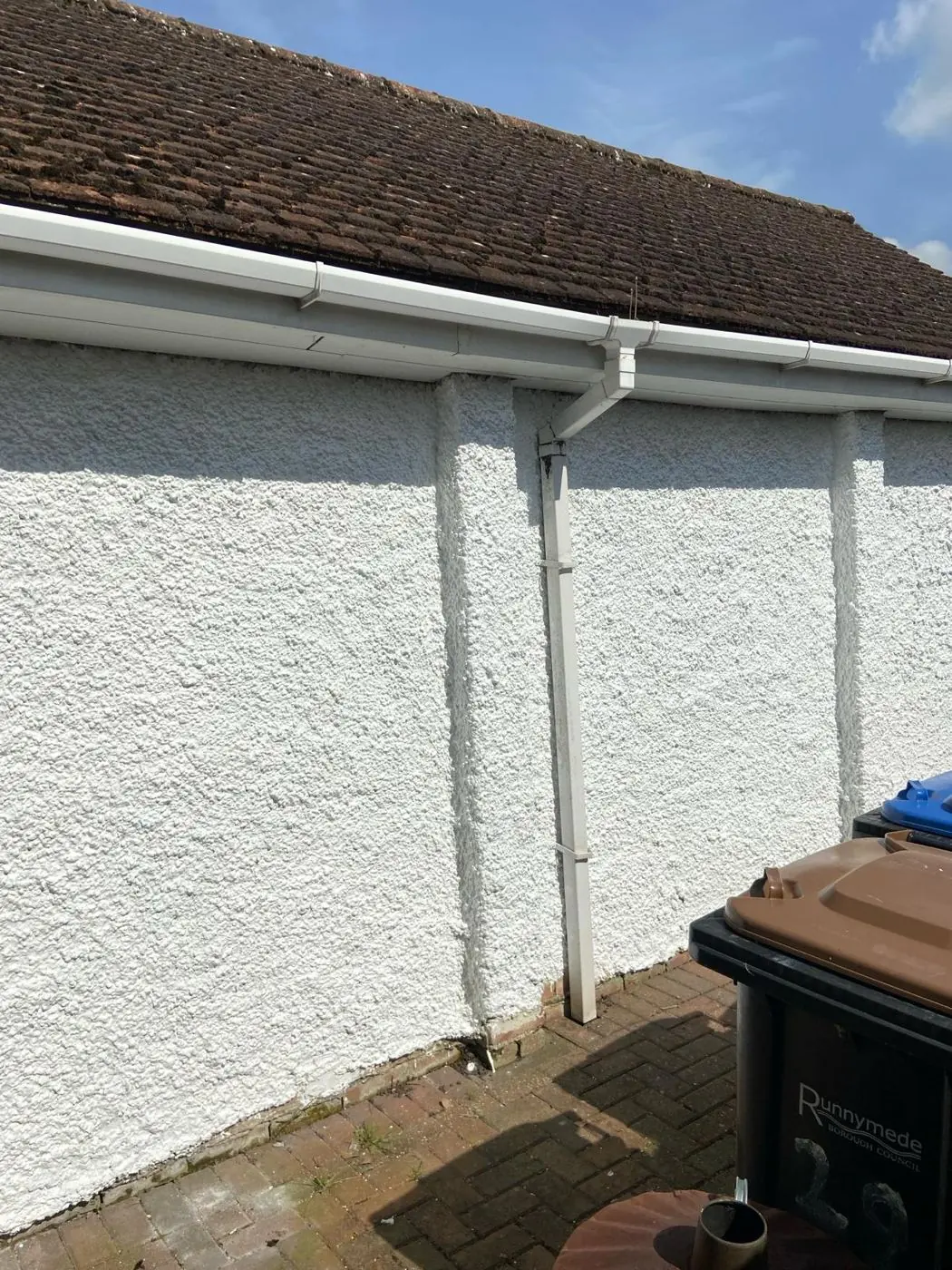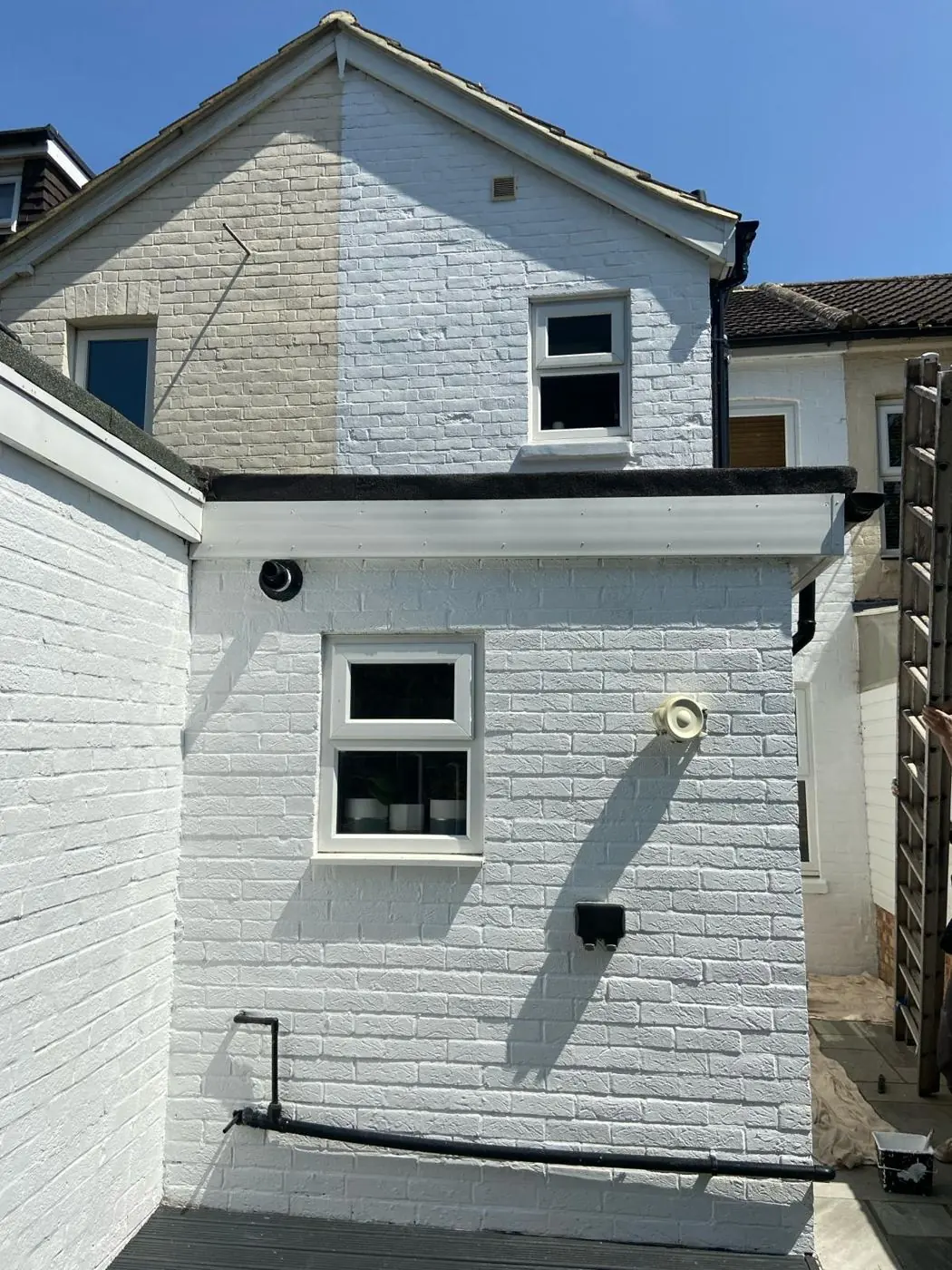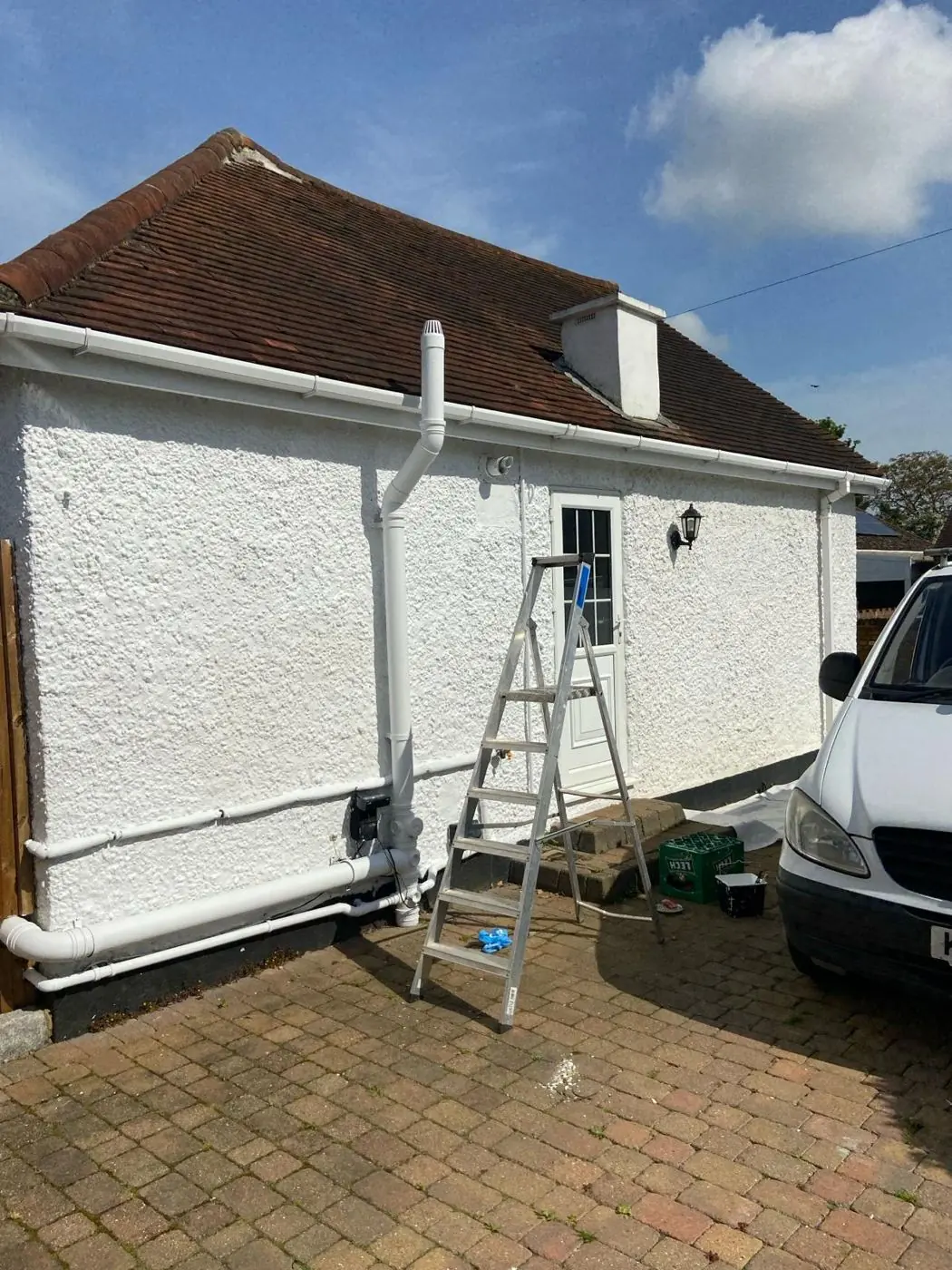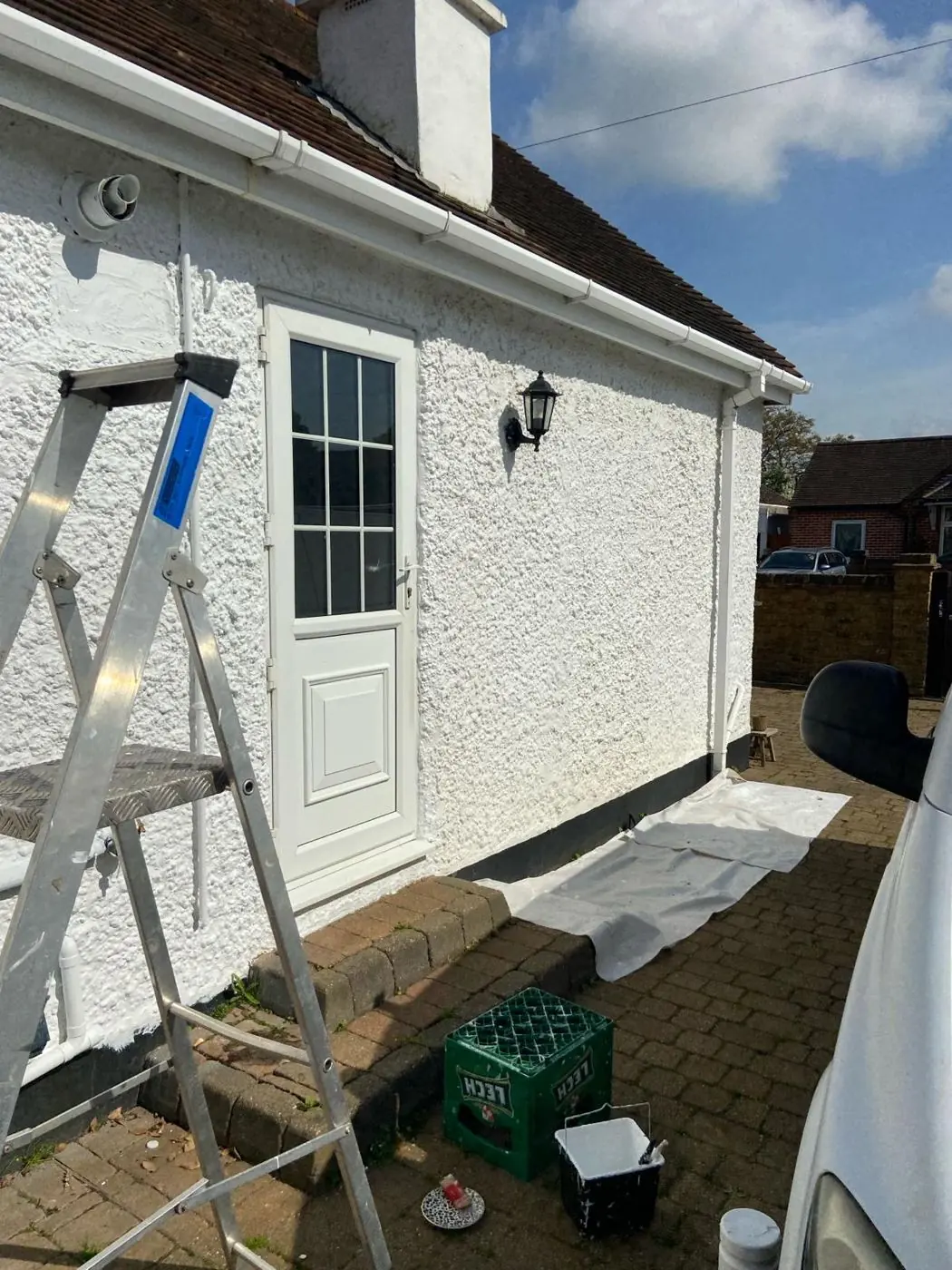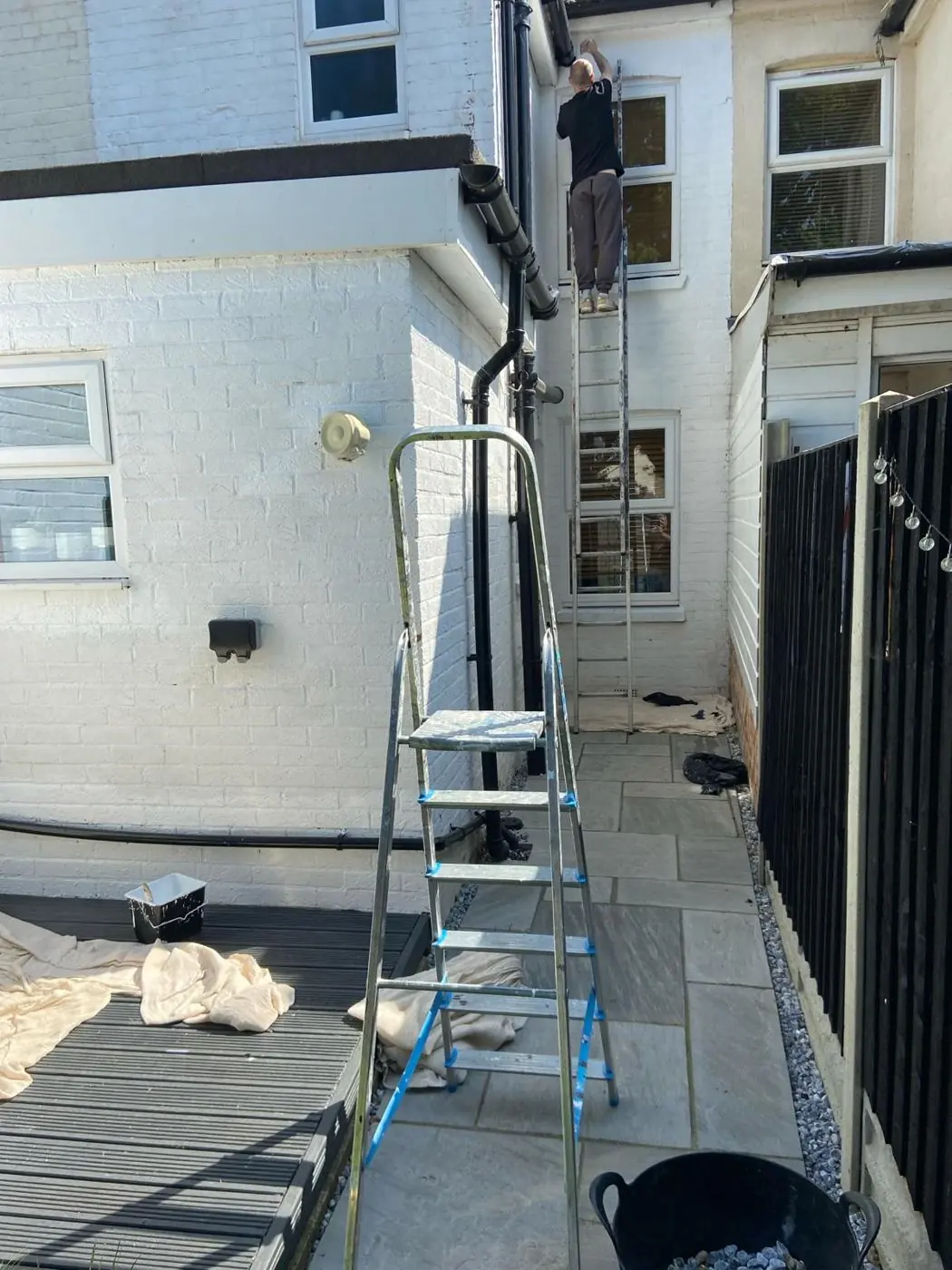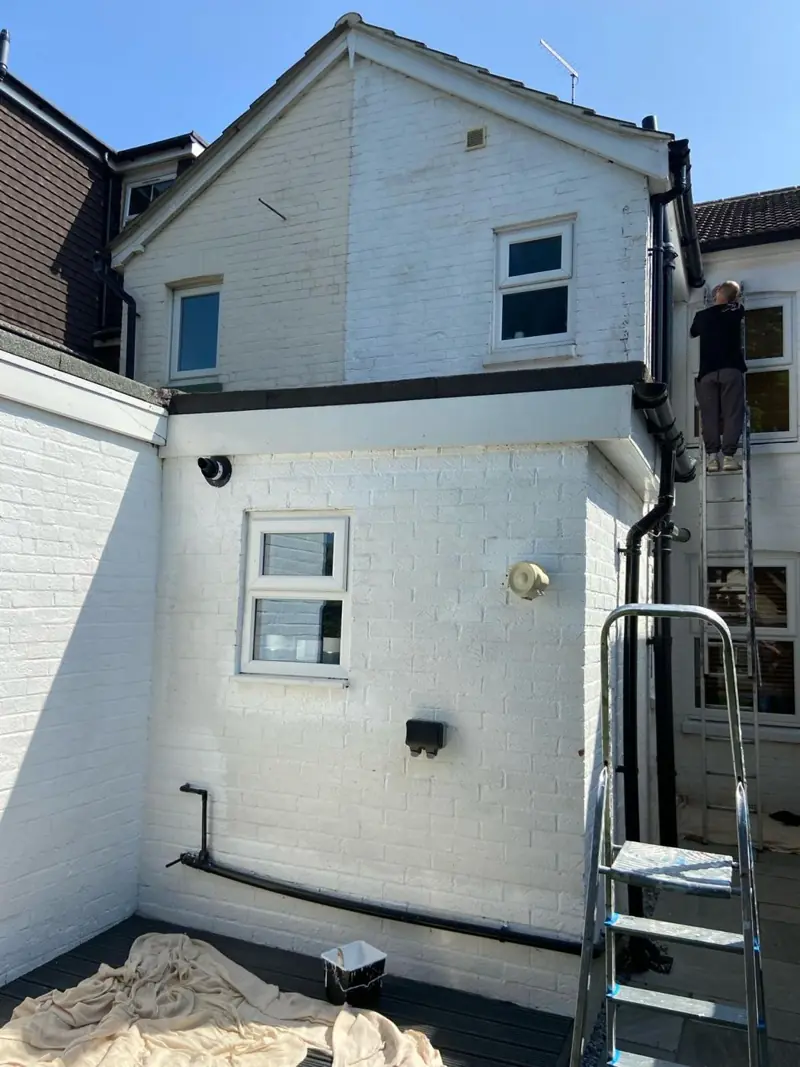
DH Painter & Decorator covers Wollaston, a hilltop village in NN29 about 9.6 miles east of Northampton town centre and 3 miles south of Wellingborough. Dean, with over 30 years in the trade, paints interiors and exteriors across the village, from listed stone cottages in the conservation area to recent new builds.
The village and where it sits
Wollaston is a large village and civil parish on rising ground east of the River Nene, between 50 and 80 metres above sea level. It lies about 3 miles south of Wellingborough, which is its post town, and is bypassed to the west by the A509. Once part of the Borough of Wellingborough, it now falls under North Northamptonshire Council. At the 2011 census the parish, including Strixton, had 3,491 residents, up almost 15% in ten years.
The village was recorded as Wilavestone in the Domesday Book and received a market charter in 1260. Its older streets form a long line running from Cobbs Lane through Bell End, Rotten Row and St Michael’s Lane towards Strixton. Lace making came first, then boots and shoes: the first factory opened in 1883, and by 1900 nearly everyone not on the land worked in the shoe trade. Dr Martens boots are still made at the Cobbs Lane factory, the Northamptonshire Productive Society co-operative still makes footwear here, and the resins company Scott Bader has its headquarters at Wollaston Hall.
We cover Wollaston from our Northampton base, about 9.6 miles away. The sections below set out what the village’s buildings mean for painting and decorating.
Limestone, lias and ironstone: the historic core
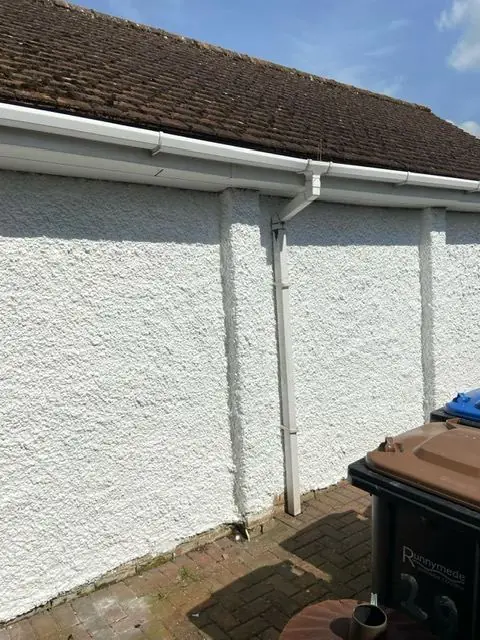
Wollaston’s oldest surviving houses date from the late 1600s to the mid-1700s, and most of them are regular coursed limestone, with lias in places. Several are thatched, such as 84 High Street, Stony Thatch on Church Lane and The Boot pub. Others have concrete tile or corrugated roofs, brick chimney stacks and leaded or glazing-bar casements under wooden lintels. Most of them line the High Street and the lanes off it: Church Lane, Duck End, Hickmire and Bell End.
The bigger houses, including Wollaston Hall and Wollaston House, use limestone ashlar and alternating bands of limestone and ironstone, as does St Mary’s Church on Hickmire. Early 19th-century terraces and pairs, such as the terrace of five at 28-38 London Road, are coursed limestone with sash windows under flat stone arches and panelled doors in moulded or reeded surrounds.
For a painter, solid stone walls change the rules:
- Limestone and lias need to breathe. Bare stone should not be sealed with plastic masonry paint, which traps moisture behind it and starts to blister and flake.
- Where earlier owners painted the stone, as happened at 16 Duck End and The Boot, the old coating should be tested and any new coat chosen to stay breathable.
- Thatched roofs mean careful ladder work at the eaves and no heat guns or flame stripping anywhere near them.
- Leaded casements and old timber lintels need slow hand-brushed work, not spray or roller.
Our exterior painting and render and masonry painting pages explain the coatings we use on older walls.
The conservation area and listed buildings
Part of the village, including the High Street and the Beacon Hill motte, is in the Wollaston Conservation Area. Beacon Hill is a Scheduled Monument, the site of a castle from King Stephen’s reign and later a windmill. The parish has more than 40 listed buildings. St Mary’s Church is Grade II*, and the rest, including the Excelsior Band Club, the former Lloyds Bank, Cromwell House and the war memorial, are Grade II.
Owners of listed buildings should ask North Northamptonshire Council before changing an external colour or finish, or painting stone that has never been painted, because consent may be required. Like-for-like redecoration is a different matter from changing the look of a building, and it is worth checking before work starts. We didn’t find an Article 4 direction for the village in the sources we checked, but it is always worth asking the council about your own address. Dean can help with colour choices that suit the stone and stand a reasonable chance of approval.
Family homes and the newer streets
Housing for the shoe trade went up in the late 19th and 20th centuries, and estates and bungalows followed later, on roads including York Road, St Mary’s Road, Neale Close, Briarwood Way and The Pyghtles. The 2011 census shows that three-quarters of homes were owner-occupied and 72.3% had three or more bedrooms. That points to a lot of whole-house interior painting: bedrooms, living rooms and, above all, the tall hallways and stairwells that take the most wear in a family house.
The parish’s Neighbourhood Plan, running to 2031, made room for 160 new homes, with roughly 80 on Land East of Hookhams Path and smaller plots on Hinwick Road. New plaster in those homes, and in extensions to older cottages, needs a mist coat before finishing, as covered in our new plaster painting service.
Private renting was 12.2% of homes in 2011 and social renting 10.4%, so 22.6% rented in all, below the England figure. Those lets still need quick, hard-wearing redecoration between tenancies, which our landlord decorating service handles.
Weather on a hilltop
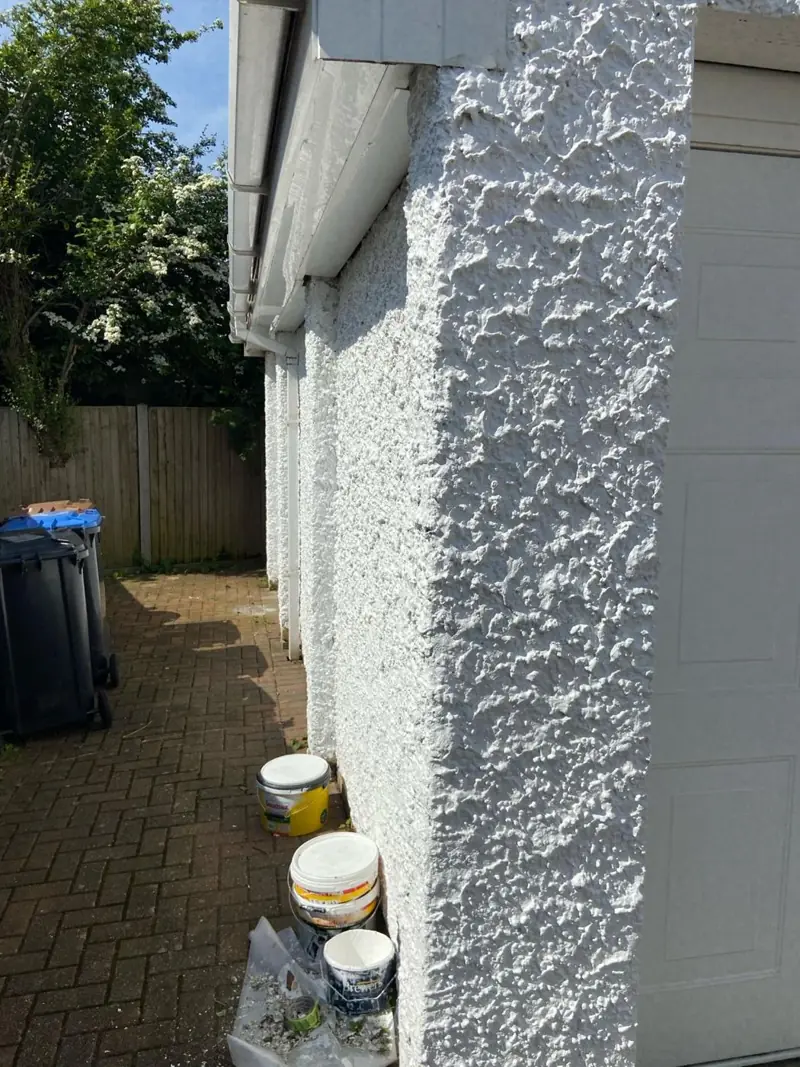
Sitting high on clay soil, with the Nene floodplain and its gravel-pit lakes to the west and open claylands to the east, Wollaston catches wind-driven rain. West-facing walls, render and timber usually weather first. Fascias, bargeboards, window frames and garden fences on exposed plots, especially at the edges of the village towards open country, need checking more often than in sheltered parts of Northampton.
That affects when work gets booked. Exterior painting here should be done in dry, settled weather, with enough warmth and time for each coat to dry before the evening damp comes in. Part-rendered and rendered rear walls, like those at Wollaston Hall and 84 High Street, need cracks repaired before any breathable masonry paint goes on.
Shops, factories and business premises
Village shopping is concentrated on Newton Road, where the Co-op is one of a cluster of units, while the High Street’s frontages belong to The Boot, the Excelsior Band Club, Wollaston Museum and the former Lloyds Bank. Several of the High Street buildings are listed, so their frontages need colours that fit the stone as much as the business.
The village also has larger employers. The Hinwick Road industrial estate, the Scott Bader complex including its Innovation Centre, the Airwair factory on Cobbs Lane and businesses at Cringle Farm and along Doddington Road all have premises to maintain. Commercial work there has to fit around opening hours and HGV movements. Our commercial painting page explains how we plan that.
Parking and access
The Neighbourhood Plan describes parking as tight in Wollaston. It singles out Newton Road, the terraces that lack off-street spaces, and the school roads at either end of the day. Hookhams Path also carries HGVs to the industrial estate, school traffic and weekend traffic for Santa Pod Raceway. For any Wollaston job, the van spot and ladder footings are agreed at the quote visit, and loading waits until the school traffic has cleared.
For guidance on costs, see our painter and decorator cost guide. To book a visit, call Dean on 07539 779 036 for a free quote.
Last updated by Dean, DH Painter & Decorator.